





The LNG Initiative
Indian Railways is actively pursuing a greener future for its extensive network, and a key part of this vision involves the integration of Liquefied Natural
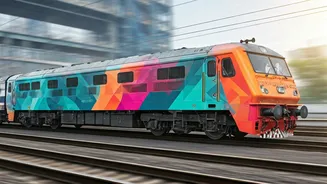
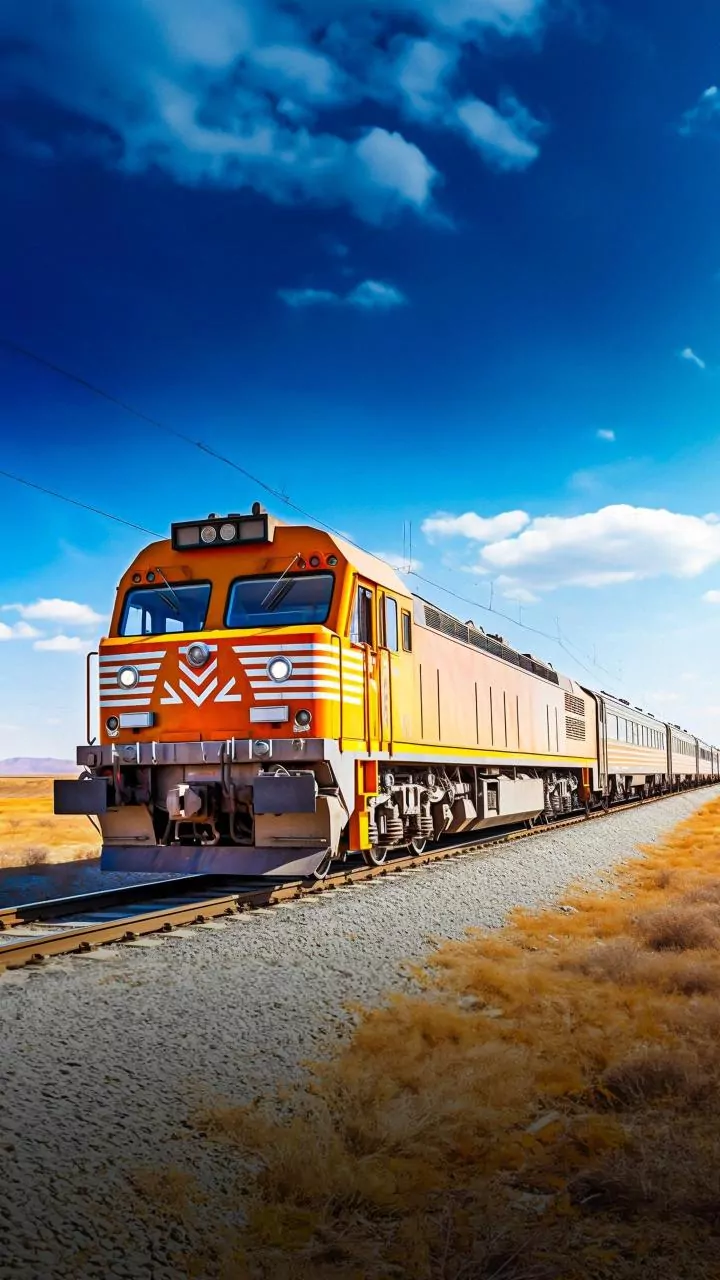
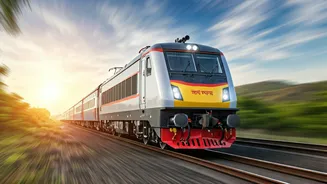
Gas (LNG) as a supplementary fuel for its Dual-Fuel DEMU (Diesel Electric Multiple Unit) trains. This groundbreaking project aims to reduce reliance on traditional diesel fuel, thereby contributing to cleaner emissions and improved operational efficiency. The initiative, spearheaded by the erstwhile Indian Railways’ Alternative Fuels Division (IRAOF), initially focused on converting a select group of 10 Dual Power Unit cars (DPUs) from their conventional diesel engines to a hybrid model. This dual-fuel system allows these trains to run on both cleaner LNG and diesel, offering flexibility and a significant step towards decarbonizing rail transport. The DEMUs themselves are a workhorse of the Indian railway system, extensively utilized for short and medium-distance routes that connect communities nationwide, making this fuel transition particularly impactful.
Cryogenic Systems' Crucial Role
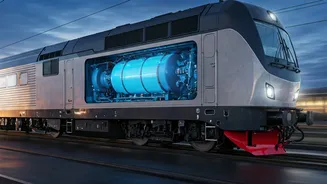
The successful implementation of this ambitious dual-fuel strategy hinges on advanced cryogenic technology, specifically the supply of specialized LNG Storage and Regasification Systems. A prominent firm has been instrumental in providing 2,200 such systems, designed for seamless integration into the 1400 HP Dual Power Unit cars (DPUs) that power these DEMU trains. These sophisticated systems are engineered to handle the cryogenic nature of LNG, ensuring its safe storage and efficient conversion back into a gaseous state for combustion. The partnership underscores the vital role of innovative engineering in enabling large-scale shifts to cleaner energy sources. The company's commitment to this project was evident from its earlier delivery of two units, which underwent rigorous trials and received crucial certifications from Indian Railways at the Sabarmati Division, validating the technology's readiness for wider deployment. This foundational success paved the way for Indian Railways to proceed with inducting additional units and for the company to fulfill its contract.
Environmental and Operational Gains
The introduction of LNG as a fuel in DEMU trains presents a compelling case for both environmental sustainability and enhanced operational performance. By enabling nearly a 40% substitution of diesel with LNG, this initiative promises a substantial reduction in harmful emissions, contributing to better air quality, especially in densely populated areas served by these trains. This significant fuel substitution is not merely a technological feat; it represents a strategic move towards decarbonizing a vital sector of the Indian economy. Beyond the environmental benefits, the adoption of LNG can also lead to improved fuel efficiency and long-term sustainability of rail operations. The ability to utilize a cleaner alternative fuel while maintaining operational effectiveness is a testament to forward-thinking planning. This dual-fuel approach is poised to set a new benchmark for how large-scale rail mobility can be modernized to meet the challenges of climate change while simultaneously boosting efficiency and ensuring a more sustainable future for transportation.