






The Happiness Equation
The traditional daily grind, once an unavoidable part of life with its early alarms and crowded commutes, has been dramatically reshaped by the advent
of remote work. Initially adopted out of necessity, working from home has evolved into a long-term workplace paradigm. Extensive research, spanning multiple industries and geographical locations, now indicates a clear correlation between remote work and increased overall happiness. A significant study, which followed thousands of German banking sector employees between 2020 and 2024, highlighted that individuals working remotely for at least one to two days per week consistently reported higher levels of life satisfaction. These workers experienced a noticeable reduction in stress, improved sleep quality, and a greater sense of calm. The elimination of commuting emerged as a key factor, gifting employees an additional one to two hours daily. This reclaimed time is often repurposed for healthier activities such as exercise, preparing nutritious meals, or simply engaging in much-needed rest, contributing to a more fulfilling daily routine and a substantial boost in overall well-being.
Managerial Hesitation
Despite a growing body of evidence championing the benefits of remote work, a significant segment of management remains apprehensive about its widespread adoption. The familiar sights and sounds of a bustling office environment, once a tangible source of reassurance for leaders, are now largely absent. Managers often express missing the spontaneous interactions and the ease of conducting informal check-ins with their teams. Furthermore, there's a perceived disconnect from the day-to-day pulse of team activities. While internal company data frequently points to stable or even enhanced productivity among remote employees, many executives, whose own career trajectories were shaped by traditional office-based work, find it challenging to transition. The long hours spent physically present in the office, often seen as a marker of dedication, formed a core part of their professional narrative, making it difficult to relinquish this established framework.
Setting Boundaries
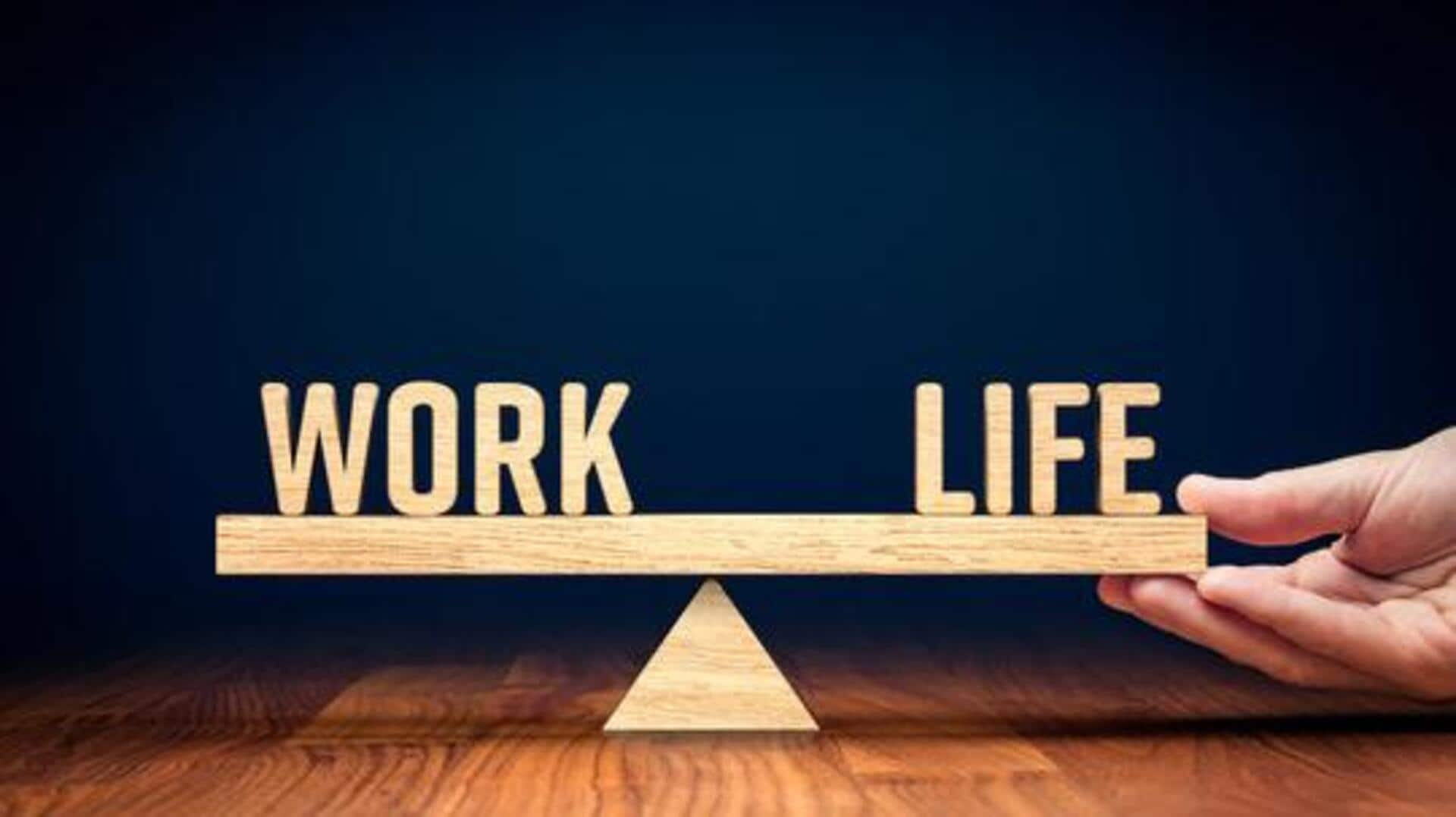
It's crucial to understand that the benefits of working from home are not automatic; they hinge on the establishment of clear boundaries. Without them, the very advantages that remote work offers can be eroded. Employees may find their personal and professional lives bleeding into one another, with work devices like laptops appearing on sofas and late-night notifications disrupting evenings. This can lead to workdays that stretch indefinitely, diminishing the promised mental health gains. Researchers consistently emphasize the power of simple routines in mitigating these issues. Establishing a dedicated workspace, sending brief morning updates to colleagues, or concluding the workday with a small ritual like planning for the next day can make a significant difference. Proactive, intentional video calls for social connection, rather than using them as a surveillance tool, also play a vital role in fostering team cohesion and preventing isolation.
Trust and Flexibility
Beyond the debates surrounding productivity lies a more fundamental question concerning workplace trust. Remote work necessitates a shift in how performance is evaluated, moving from mere visibility to an assessment of tangible outcomes. This transition can be disorienting for organizations accustomed to monitoring employee presence. The most effective hybrid models appear to be those that skillfully blend well-defined expectations with genuine flexibility. This approach empowers employees to manage their schedules while simultaneously ensuring that organizations uphold measurable performance standards. Such a balanced strategy is instrumental in cultivating transparency, enhancing communication, promoting accountability, fostering stronger collaboration, supporting employee well-being, sustaining motivation, and ultimately building long-term organizational resilience in an ever-evolving professional landscape.