





The 'Office Air' Phenomenon
The term 'office air' has gained traction online, particularly on social media platforms like TikTok and Instagram, to describe a widely experienced but
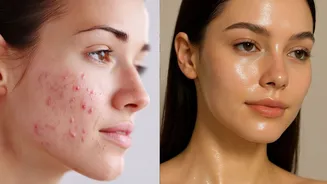
previously unnamed effect. It captures the feeling that prolonged exposure to typical indoor office environments gradually diminishes one's fresh, rested appearance. Users share compelling before-and-after comparisons, showcasing how their skin can become duller, dehydrated, or generally less vibrant, and their hair may appear limp or oily by the time they leave work. This trend resonates deeply because it articulates a shared experience that many office dwellers have felt but struggled to define, highlighting a peculiar form of exhaustion linked to corporate settings, irrespective of workload. While the internet's dramatic labeling may amplify the sensation, experts suggest there's a factual basis to these observations about workplace environments impacting appearance.
Environmental Culprits Explained
While 'office air' isn't a medical diagnosis, it serves as a convenient phrase to encompass the array of environmental stressors prevalent in many workplaces. These include the pervasive dryness of aggressive air conditioning systems, low ambient humidity, the circulation of recycled indoor air, the harsh glare of overhead lighting, and the prolonged visual strain from constant screen engagement. Furthermore, sedentary work habits, involving long periods spent in a single position, contribute to the overall effect. Individually, each of these factors might seem minor, but their cumulative impact can negatively affect the skin's protective barrier, compromise scalp health, and alter the way makeup and hair behave throughout the day. Specifically, the very low humidity often found in air-conditioned offices accelerates moisture evaporation from the skin, leading to a dehydrated state over time. This moisture depletion can weaken the skin's natural defenses, making it feel dry, sensitive, or appear lackluster. When dehydrated, the skin may also tighten and lose its natural radiance. In response to this dryness, some scalps might overcompensate by producing excess oil, explaining the common complaint of hair becoming greasy despite being in a cool, dry environment.
Beyond the Office Walls
While the office environment is a significant contributor, it's not the sole reason for the visible changes in appearance. Experts emphasize that an individual's overall lifestyle plays a crucial role in how their skin responds to indoor conditions. For those residing in urban areas, skin is already subjected to considerable stress from daily exposure to pollutants, dust, sweat, and heat, which can compromise the skin barrier even before entering the workplace. The daily commute adds another layer of challenge, as the transition from potentially hot outdoor weather into intensely chilled, air-conditioned indoor spaces can shock the skin and exacerbate dehydration. When these external factors are combined with internal stressors such as general life stress, inadequate sleep, excessive caffeine intake, insufficient water consumption, and prolonged hours spent staring at digital screens, the cumulative effect becomes apparent on the face by afternoon. Adding to this, the typical lighting found in most offices is notoriously unflattering. Fluorescent lights often cast harsh shadows, emphasizing skin texture, pigmentation issues, and dark circles under the eyes, thereby making individuals appear more fatigued than they might actually feel.
Skin and Hair Reactions
A primary reason the 'office air' concept has resonated so strongly is the confusion many people experience when their skin's behavior changes inexplicably indoors. The underlying cause is often dehydration. When the skin lacks adequate moisture, its natural defense mechanism kicks in, frequently leading to increased oil production. Consequently, the skin's surface may appear oily or greasy by evening, even though the deeper layers are actually dehydrated. Hair exhibits a similar response. The dry air within offices can strip essential moisture from hair strands, resulting in frizz, static electricity, or a limp, lifeless appearance, depending on the specific hair type. In essence, while the office environment might not be inherently 'toxic,' it can certainly foster conditions that leave both the skin and hair struggling to maintain their vitality and health by the end of the workday.
Combatting 'Office Air' Effects
The most effective approach to counter the effects of 'office air' doesn't involve carrying an extensive collection of beauty products. Dermatologists generally advise focusing on strengthening the skin barrier and prioritizing hydration over the excessive application of products. Adopting a few simple habits can yield significant improvements. Consistently drinking enough water throughout the day is paramount, complemented by skincare ingredients known for their moisture-retention capabilities, such as hyaluronic acid, ceramides, and glycerin. Instead of repeatedly applying powder to manage oiliness, consider using blotting papers or a light, hydrating facial mist to refresh the skin. It's also crucial to continue wearing sunscreen, even indoors, as UV rays can penetrate windows, and prolonged screen time can contribute to oxidative stress and dullness. Keeping your daily skincare routine straightforward with a gentle cleanser, moisturizer, and sunscreen is often more beneficial than complex regimens. Having a few desk-side essentials readily available can also be helpful, including lip balm, hand cream, a face mist, a water bottle, cuticle balm, and a hydrating setting spray. For scalp and hair health, avoid overwashing, which can strip natural oils and worsen oil production; lightweight leave-in conditioners or hair serums can help combat dryness. Finally, taking regular breaks from your desk, even for a short walk outdoors or near a window, can boost circulation, alleviate screen fatigue, and provide a mental reset.