
Oxygen: The Basics
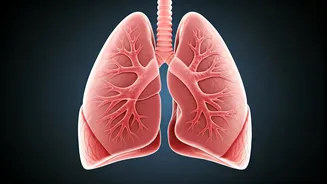
Blood oxygen level is essentially the measure of oxygen circulating in your bloodstream, a vital component for survival. Oxygen enters the body through
the nose and mouth, travels to the lungs, and then is absorbed into the bloodstream. Red blood cells are the primary carriers, delivering oxygen to all body parts. This oxygen fuels cell renewal, provides energy, and supports the immune system. With the current pandemic, keeping a check on your oxygen levels is a wise decision.
What Levels Indicate?
Blood oxygen levels reveal the amount of oxygen your red blood cells are carrying and how effectively it is delivered. The body usually regulates these levels effectively. Maintaining this balance is essential for healthy bodily functions. Low blood oxygen levels often point to underlying health issues, so consulting a healthcare professional is crucial if you suspect a problem.
Recent Increased Interest
During the COVID-19 pandemic, shortness of breath and other respiratory issues became widespread symptoms. This led to a surge in pulse oximeter sales, as people sought to monitor their blood oxygen levels at home. This test is seen by some as a tool for self-assessment. It's always best to pay attention to any unusual symptoms and seek medical advice when needed.
Measuring Oxygen Levels
The most precise method for measuring blood oxygen is through an arterial blood gas (ABG) test, where a blood sample is taken from an artery, typically in the wrist. This method, however, can be time-consuming, painful, and impractical for home use. Alternatively, a pulse oximeter can be used. This small device indirectly measures oxygen levels by assessing light absorption through the pulse. However, factors like dirty fingers, bright lights, and nail polish can skew the results.
Normal Oxygen Ranges
Normal blood oxygen levels generally range from 75 to 100 millimeters of mercury (mm Hg). Levels below 60 mm Hg are considered low, potentially requiring supplemental oxygen, as determined by a doctor. When using a pulse oximeter, a reading between 95% and 100% is considered normal. If oxygen levels fall below 80-85%, the brain can be negatively affected. If the oxygen level drops below 67%, a bluish skin discoloration may occur, which can be fatal. Remember that the normal range might differ for individuals with chronic lung conditions; consulting a doctor for personalized guidance is advisable.
Frequency of Measurement
Typically, there's no need for regular blood oxygen level checks for children and adults unless they display symptoms like shortness of breath or chest pain. Individuals with chronic health conditions such as asthma, heart disease, or chronic obstructive pulmonary disease (COPD) might need regular monitoring. This helps to assess the effectiveness of treatments and make necessary adjustments.
Causes of Low Oxygen
Various medical conditions, including COPD, asthma, collapsed lungs, anemia, and heart defects, can negatively impact blood oxygen levels. Respiratory problems can hinder oxygen intake and carbon dioxide exhalation, and circulatory issues might impair oxygen transport by blood cells. High altitudes can also lead to decreased oxygen levels in the body due to reduced oxygen in the atmosphere. Moreover, regular smokers are prone to lower blood oxygen levels; however, pulse oximeters may not accurately reflect this, as they cannot differentiate between oxygen and carbon monoxide. In such instances, an ABG test offers the most accurate results.
Symptoms of Low Oxygen
Low blood oxygen levels, known as hypoxemia, can lead to severe health issues. Symptoms include headache, dizziness, coughing, shortness of breath, wheezing, confusion, rapid heartbeat, and bluish skin discoloration. If left untreated, this condition can cause permanent damage to the brain and heart.
Preventing Low Levels
Several lifestyle adjustments can help maintain normal oxygen levels. Deep breathing exercises are essential, as shallow breathing can reduce oxygenation; practicing such exercises can be easily found online. Regular, mild exercise, like walking or stretching, is also beneficial, especially for those working or studying remotely. Proper hydration is important to maintain bodily functions, and a healthy diet rich in foods that promote circulation and contain iron, such as beetroot, garlic, green leafy vegetables, pomegranate, sprouts, nuts, and seeds, can also help.
FAQs Answered
A pulse oximeter cannot detect if you have COVID-19. It only helps in monitoring related symptoms. Low blood oxygen can be a symptom of COVID-19, but it can also indicate other health issues. Seek medical help if your levels fall below 90%. Using a pulse oximeter is simple: clip the device to your finger and switch it on; it uses light to measure blood oxygen and heart rate.