


Understanding the Appeal
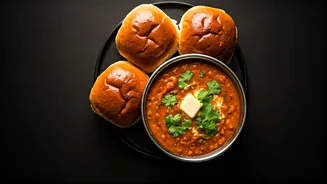
Pav Bhaji, a cherished staple of Indian street food, is renowned for its comforting warmth, vibrant aroma, and utterly satisfying blend of spicy mashed
vegetables paired with soft, buttery buns. This beloved dish, however, often comes laden with generous amounts of butter and refined components, which can make it a less-than-ideal choice for regular consumption. Fortunately, the essence of this flavourful favourite can be preserved and enjoyed through simple yet impactful modifications. By incorporating a greater variety of vegetables and opting for wholesome bread alternatives, Pav Bhaji can be transformed into a nutritionally balanced and incredibly delicious meal, perfect for a satisfying home-cooked experience that caters to both taste and well-being.
Crafting Your Healthy Bhaji
To embark on your journey to a healthier Pav Bhaji, begin by gathering your ingredients. You'll need two medium potatoes, boiled and mashed until smooth. Finely chop about a cup of cauliflower, a single carrot, half a cup of green peas, one small capsicum, and two ripe tomatoes. Also, finely dice one onion. Essential flavour builders include two teaspoons of ginger-garlic paste, one to two teaspoons of Pav Bhaji Masala (adjusted to your spice preference), half a teaspoon each of turmeric and red chilli powder, and salt to taste. For cooking, a tablespoon of oil is sufficient, with an optional teaspoon of butter for added richness. Garnish generously with freshly chopped coriander leaves and serve with lemon wedges. For the 'pav' component, opt for whole-wheat pav or multigrain buns, accompanied by finely chopped onions and extra coriander for serving.
Cooking the Bhaji Base
Begin by heating a tablespoon of oil in a suitable pan over medium heat. Add your finely chopped onions and sauté them until they soften and become translucent, releasing their sweet aroma. Next, incorporate the ginger-garlic paste and continue to cook for another minute until fragrant, ensuring it doesn't burn. Introduce the finely chopped tomatoes to the pan. Cook them down until they soften considerably and begin to form a thick, cohesive paste, which forms the flavourful foundation for your bhaji. This step is crucial for developing a deep, savoury base that will permeate the entire dish, providing a rich mouthfeel and an appealing colour.
Adding Vegetables & Spices
Once the tomato base is well-established, it's time to add the fresh vegetables. Introduce your finely chopped cauliflower, carrot, capsicum, and green peas to the pan. Stir them well, allowing them to sauté for a few minutes. The goal here is to cook them just enough so they begin to soften slightly while retaining a pleasant bite, preventing them from becoming mushy. Following this, add your dry spices: turmeric powder, red chilli powder, and the star ingredient, Pav Bhaji Masala. Ensure all the vegetables are thoroughly coated with these vibrant spices, stirring continuously to evenly distribute the flavour and create a visually appealing mix.
Mashing and Simmering
Now, add the pre-boiled and mashed potatoes to the vegetable and spice mixture. Using a potato masher, gently but thoroughly mash the potatoes into the other ingredients. This step is key to achieving the characteristic thick, smooth consistency of Pav Bhaji. If the mixture appears too dry, add a little water, just enough to reach your desired thick, yet smooth, texture. Once mashed and well-combined, reduce the heat to a gentle simmer. Allow the bhaji to cook for at least 10 minutes, covered, enabling all the diverse flavours of the vegetables and spices to meld together beautifully, creating a harmonious and deeply flavourful curry.
Finishing Touches & Serving
To elevate the flavour profile of your healthy bhaji, stir in a small knob of butter if you're using it, adding a luxurious richness. Generously sprinkle in freshly chopped coriander leaves for a burst of freshness and colour. A squeeze of fresh lemon juice right at the end adds a crucial zesty counterpoint to the spices and vegetables. For serving, lightly toast your whole-wheat pav or multigrain buns in a separate pan, using a minimal amount of butter or olive oil for a light crispness. Present the piping hot bhaji alongside the toasted pav, garnished with extra chopped onions and coriander, and of course, lemon wedges on the side for diners to add as they please. This thoughtful combination ensures a nutritious meal that satisfies.