






Understanding Energy Efficiency
When selecting a room heater, prioritizing energy efficiency is crucial. This not only cuts down on your electricity expenses but also contributes to a reduced
carbon footprint. Look for heaters that have high energy efficiency ratings, meaning they convert a greater percentage of electricity into heat. Features like thermostats that regulate the temperature and automatic shut-off functions can further enhance efficiency. These features ensure the heater runs only when needed, preventing unnecessary energy consumption. Consider the heater's wattage – a lower wattage often translates to lower energy usage, provided the heating capacity meets your needs. By understanding these aspects of energy efficiency, you can make informed choices to keep your home warm and your bills manageable.
Types of Room Heaters
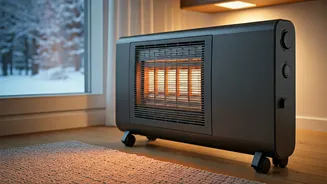
Various types of room heaters are available, each offering unique features and benefits. Oil-filled radiators are often considered a safe option, as they do not heat the air directly and maintain a consistent temperature, making them ideal for long-term use. Ceramic heaters are known for their rapid heating capabilities, providing quick warmth in a focused area. Fan heaters are another popular choice, circulating warm air quickly, though they can be noisy. Convection heaters heat the air naturally by convection currents, suitable for larger rooms. Each type suits different needs and spaces. Consider the size of the room, your heating preferences, and the safety features each offers. Understanding these heater types ensures you select one that best fits your specific requirements and budget.
Choosing the Right Heater
Selecting the appropriate room heater involves careful consideration of several factors. Room size is fundamental; a larger room necessitates a more powerful heater with a higher wattage to effectively raise the temperature. Safety features should also be high on your list. Look for models with tip-over shut-off mechanisms and overheat protection to prevent accidents. Energy efficiency, as previously mentioned, is another key aspect. Always check the energy rating and look for models with thermostats for temperature control. Budget is another factor to weigh, as prices vary across different heater types and brands. Think about where you'll be using the heater, such as bedrooms, living rooms, or specific work areas. By considering these aspects, you can choose a heater that meets your needs and provides both comfort and safety.
Maximizing Energy Savings
Maximizing energy savings with your room heater involves various strategies that promote efficient operation. Start by setting the thermostat at a comfortable temperature, and avoid setting it too high, which wastes energy. Using the heater only when needed can significantly reduce consumption; consider turning it off when leaving the room. Proper insulation is also vital: ensure your home is well-insulated to prevent heat loss through walls, windows, and doors. Regular maintenance of your heater, such as cleaning the filters, can improve its efficiency. Combine these practices with your heater usage, and you can achieve considerable savings on your energy bills while maintaining a warm and cozy environment. Remember, small changes can add up to significant savings.
Safety First Always
Prioritizing safety is essential when using room heaters. Always place your heater on a stable, flat surface away from flammable materials like curtains, furniture, or paper. Keep the heater at least three feet away from these items. Never leave a heater unattended, especially if children or pets are present. Avoid using extension cords, as they can overheat and cause fires; plug the heater directly into a wall outlet. Regularly inspect the power cord for any damage. If you notice a frayed or damaged cord, replace it immediately. It’s also important to have a working smoke detector near your heater. Following these safety guidelines ensures that you can enjoy warmth safely and without the risk of accidents.