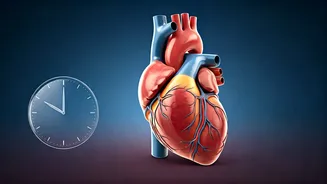








Sleep, Digestion & Comfort
Embracing a gap of at least three hours between your final meal and bedtime offers a direct pathway to more restorative sleep and fewer digestive woes.
When you eat too close to slumber, gravity can work against you, allowing stomach acid to creep upwards, leading to uncomfortable burning sensations and fragmented sleep. By allowing ample time for digestion, your stomach can empty more thoroughly, paving the way for deeper, more comfortable rest. Dr. Goel emphasizes that this improved sleep quality can significantly reduce issues like acid reflux and indigestion, particularly after consuming heavier evening meals. The importance of quality sleep cannot be overstated, as it plays a crucial role in managing inflammation, regulating blood pressure, and reducing strain on the heart, making this simple timing adjustment a vital component of nightly well-being.
Heart Health & Stability
Your heart's well-being is a complex interplay of diet, exercise, stress management, sleep, and metabolic balance. Finishing your dinner earlier in the evening acts as a powerful catalyst, supporting several of these critical systems simultaneously. Research consistently links late-night eating patterns with elevated blood pressure and compromised blood sugar control – both significant risk factors for heart disease. Providing your body with sufficient time for digestion before you lie down helps stabilize these vital bodily processes. Dr. Goel points out that dining earlier aligns more closely with our body's natural biological clock, thereby fostering increased metabolic stability. Furthermore, studies highlight how erratic eating schedules can negatively impact cardiometabolic health, underscoring the benefit of eating earlier to allow the body to complete its digestive work before entering a state of rest.
Body's Natural Rhythms
Our bodies operate on a sophisticated internal clock, the circadian rhythm, which orchestrates a multitude of functions including sleep cycles, hormone release, digestive processes, and metabolic activity over a 24-hour period. When we consume food late at night, the digestive system is compelled to work during a time when its natural inclination is to slow down. This physiological mismatch can result in inefficient digestion and lead to disruptions in how the body processes sugars and fats. Dr. Mukesh Goel, a Senior Consultant in Cardiothoracic and Vascular Surgery, articulates that concluding dinner at least three hours before bed is a beneficial habit that positively influences heart health and metabolic stability. He explains that eating close to bedtime hinders proper digestion when metabolic rates are lower, potentially increasing blood sugar, heart rate, and blood pressure, all of which elevate future heart disease risk. Therefore, meal timing transcends mere comfort, becoming a critical factor in long-term metabolic health.
Simple Habits, Big Impact
Transformations in health often stem from surprisingly simple habits. The adoption of the three-hour dinner rule doesn't negate the importance of exercise, quality nutrition, or regular medical check-ups; instead, it complements these efforts by harmonizing daily routines with your body's innate biological rhythms. Dr. Goel aptly summarizes that while nutrition and exercise remain foundational for heart health, these minor adjustments play a crucial supportive role. By adhering to this dinner timing guideline, individuals can actively enhance their heart health and other aspects of their overall well-being. The most practical health advice is often the most straightforward: eat earlier, give your body adequate time to digest, and allow the night to be a period of true rest.
Integrating the Rule
Incorporating the three-hour dinner rule into your lifestyle doesn't necessitate drastic overhauls; it typically begins with small, manageable adjustments. Proactive planning for an earlier dinner can be highly beneficial. Many households find success by aiming to finish their evening meal between 7 or 8 PM, rather than much later into the night. Complementing this by opting for lighter dinner choices can further ease the digestive process. Meals abundant in vegetables, lean proteins, and consumed in moderate portions generally digest more smoothly than heavy, fried dishes. Even incorporating a brief evening walk can provide additional support for digestion and help regulate blood sugar levels, making the transition to this healthier habit even more effective.