






Venice: The Reality
An Indian traveler's recent trip to Venice took an unexpected turn when she encountered a persistent, unpleasant smell emanating from the city's famous
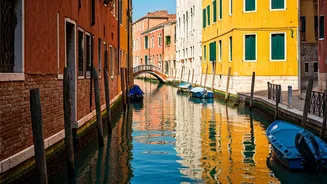
canals. This sensory experience dramatically altered her perception of Venice, creating a stark contrast with the widely promoted romantic image. The traveler's candid observation resonated with others who had experienced similar olfactory challenges, stirring conversations about the often-overlooked realities of the iconic city. The issue highlighted a disparity between the curated tourist experience and the day-to-day realities of Venice, prompting discussions on infrastructural issues or environmental concerns that may be contributing to the odor. The smell, described as overpowering, significantly detracted from her enjoyment, emphasizing the impact of sensory experiences on travel. This observation challenges the idealized views and suggests a more nuanced understanding of Venice.
Smell's Impact on Travel
The traveler's experience underscores the potent role that sensory elements like smell play in shaping travel experiences. While visual aesthetics often dominate travel narratives, the olfactory dimension can critically influence overall perceptions of a destination. A significant part of the joy in travel is the ability to enjoy the surroundings. The presence of unpleasant odors can severely diminish this pleasure, making it difficult to fully appreciate the place’s beauty and atmosphere. In Venice, known for its beauty and grandeur, the unexpected smell served as a jarring disruption, highlighting the importance of every aspect of tourism. Furthermore, the incident suggests a disconnect between the promoted image of Venice and the actual experience. This discrepancy prompts reflection on how travel experiences are shaped by both tangible and intangible elements, and on the need for visitors to be prepared for the realities of the destinations.
Beyond the Postcard
The traveler's account encourages a shift in perspective beyond the carefully crafted image of Venice that often dominates travel promotion. While Venice is often presented as a timeless paradise, this experience reveals a different side of the city. The emphasis on the smell forces the audience to confront less-ideal aspects, prompting reflection on potential issues. This unfiltered view challenges tourists to seek a more comprehensive understanding of travel destinations. It reminds us that places, even those as celebrated as Venice, are multifaceted and have problems that are not always visible in carefully curated travel content. By acknowledging these less glamorous aspects, the traveler's experience provides a more balanced and authentic view. This shift in perspective is crucial for both appreciating and understanding the true essence of travel.
Public Reactions & Echoes
The traveler’s experience resonated with others, sparking wide-ranging discussions about the realities of travel. Many who have visited Venice also shared similar experiences, validating her observations and initiating a shared understanding. The responses included personal anecdotes, with others describing similar issues they encountered during their visits. Some commentators highlighted the need for infrastructure improvements. Others discussed the environmental factors contributing to the smell. The traveler’s observation served as a catalyst for a broader discussion about how tourism can affect places and how essential it is to have genuine experiences. Her story became a reminder that even the most beautiful destinations may be impacted by practical issues that challenge the idealistic views often promoted through travel content. This collective response shows the impact of shared experiences and the power of honesty.