




Bulky Furniture Choices
An overly large or uncomfortable dining set can significantly detract from a room's appeal, making guests hesitant to settle in. Interior designers emphasize
that the visual comfort and functionality of chairs play a crucial role in creating a welcoming ambiance. Beyond aesthetics, adequate space for movement is paramount; the ability to easily pull chairs away from the table is essential for both practical usability and adhering to principles like Feng Shui, which promotes unobstructed flow. A dining area that feels cramped or restricts movement can quickly become a less desirable place to spend time, diminishing the overall dining experience.
Poor Room Placement
The strategic positioning of a dining room within a home greatly influences its perceived warmth and accessibility. When a dining space lacks a seamless connection to the kitchen or main living areas, it can feel isolated. Designers note that a dining room situated far from the 'heart of the home' often feels like a neglected corner rather than an integral part of daily life. This disconnect can lead to a sense of being removed from the central activity, making the space feel less inviting for everyday use and informal gatherings.
Overly Staged Ambiance
A dining room that appears too perfectly arranged can feel intimidating and unlived-in, deterring guests from relaxing. When furniture is excessively centered, decorative items are rigidly placed, and nothing is allowed to naturally shift, the room can seem more like a display than a functional space for enjoyment. Even simple elements, like a centerpiece that obstructs views and hinders conversation, can disrupt the natural flow of a meal. This hesitation to interact with the decor can fundamentally alter how the room functions and feels.
Inflexible Decor Materials
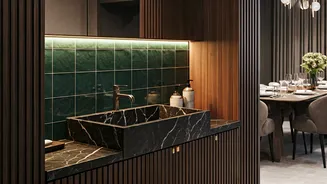
The choice of materials for key furniture pieces, particularly the dining table, can impact a room's warmth. For instance, a table made of cold stone might contribute to an uninviting atmosphere if not balanced with softer elements. Designers suggest that instead of removing a beloved piece, the key is to introduce contrasting textures and colors. Pairing a rigid table with plush or upholstered chairs, for example, can create a harmonious blend of durability and comfort, ensuring the space feels both stylish and welcoming.
Lighting Imbalance
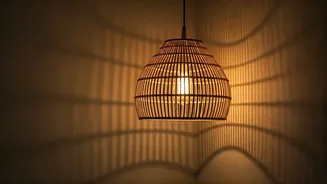
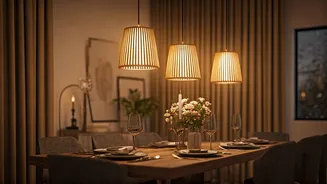
Achieving the right lighting is crucial for setting an inviting tone in a dining room, transforming it from merely functional to intimately cozy. Overly dim or excessively bright illumination can make the space feel unappealing. Experts recommend a layered lighting approach rather than relying on a single overhead fixture. Incorporating elements like buffet lamps, picture lights, and dimmers allows for adjustable ambiance, catering to different moods and occasions while ensuring the room feels welcoming and comfortable.
Cluttered Accents
In smaller or darker dining areas, simplicity in decor is often best, avoiding busy patterns and ensuring furniture doesn't appear crammed. High-contrast or overly stark color palettes can also lend a rigid feel to the room. To foster an inviting atmosphere, designers often advocate for warmer, more muted color schemes that create a sense of groundedness. While bold statements are possible, such as a striking light fixture or artwork, it's essential to avoid overwhelming the space with excessive patterns or colors that detract from its overall comfort.