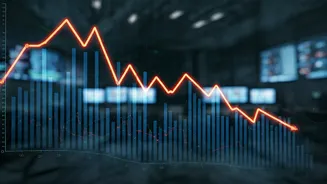

Market's Recent Downturn
Over a period of five days, the Sensex saw a significant decrease, losing over 2,000 points. This marked decline triggered considerable concern among investors
and analysts alike. This downward movement wasn't isolated; it reflects broader economic pressures and shifting market dynamics. The drop signals the need for investors to re-evaluate their portfolios and strategies to align with the evolving market landscape. This downturn serves as a reminder of the volatility inherent in financial markets and the importance of remaining informed and adaptable to change. Investors need to understand the fundamental drivers and respond accordingly.
Factors Driving Decline
Several factors are contributing to the downturn in the Indian stock market. Global economic uncertainties, including concerns about inflation and interest rate hikes by major central banks, are playing a key role. These global economic pressures create a ripple effect, impacting investor sentiment and market performance. Furthermore, sector-specific challenges, such as shifts in technology and evolving regulatory environments, are also having an influence. These sectoral issues can lead to increased volatility and a need for investors to diversify their portfolios to mitigate risks. Geopolitical events also contribute to the fluctuations, adding an element of uncertainty. The convergence of these factors creates a complex environment requiring careful assessment.
Impact on Investors
The decline in the stock market has direct consequences for investors. Declining stock prices can lead to a decrease in the value of investment portfolios, affecting individual financial goals. This situation can trigger anxiety, prompting investors to make hasty decisions based on emotional responses. It is essential to approach this situation with a long-term perspective, avoiding the temptation to react impulsively to short-term market fluctuations. Staying informed through credible sources, and maintaining a balanced and diversified portfolio are important steps. Consulting with financial advisors is also crucial to make informed decisions that align with one's risk tolerance and financial objectives, ensuring a measured approach to market volatility.
Looking Ahead
Predicting the future course of the Indian stock market is inherently complex due to the multitude of influencing factors. Market analysts are carefully monitoring key economic indicators, including inflation rates, interest rate policies, and global growth forecasts. The anticipated performance of key sectors, like technology and finance, will be pivotal in shaping market trends. Investors should be prepared for volatility in the short term, with periods of uncertainty interspersed with opportunities. Diversification, along with disciplined investment strategies, continues to be crucial for navigating the market, alongside the need to stay updated on emerging trends. Regular reviews of investment strategies, in line with one's risk profile and financial goals, are also vital to making adjustments based on market developments.