


Spice Fundamentals Unveiled
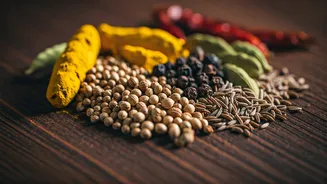
The essence of Indian cooking lies in its complex blend of spices, each playing a vital role in creating the signature flavors. Key spices like turmeric,
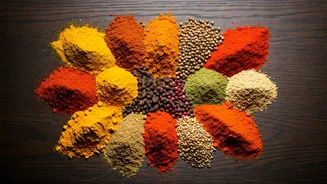
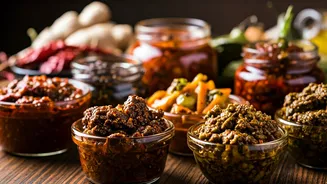
known for its vibrant color and anti-inflammatory properties, are fundamental. Cumin, with its earthy undertones, adds depth, while coriander provides a fresh, citrusy note. Garam masala, a blend of various spices, often including cinnamon, cardamom, and cloves, ties the flavors together, providing warmth and complexity. When preparing Indian dishes, the careful balance of these spices is crucial. Using them in the right proportions, and often at the right time in the cooking process, can significantly enhance the taste and aroma of your food. Many Indian recipes start with a base of onions, ginger, and garlic, sautéed to create a fragrant foundation. The order in which spices are added and cooked—whether toasted in oil or added at the end for freshness—also affects the final taste. Experimenting with different spice combinations can elevate your dishes, but understanding the core spices is the first step.
Classic Chicken Curry
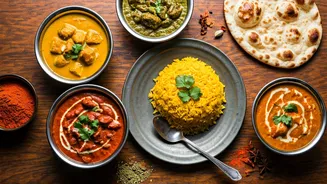
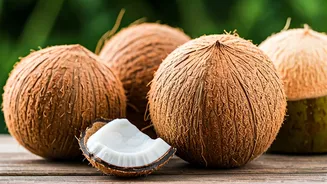
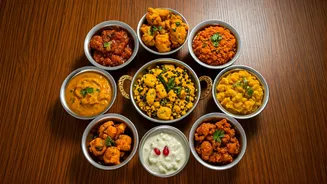
Chicken Curry remains a beloved Indian staple, showcasing the versatility of spices. The preparation typically begins with marinating chicken pieces in yogurt and spices such as turmeric, chili powder, and ginger-garlic paste to tenderize the meat and infuse flavor. The onions are usually sautéed until golden brown, followed by the addition of tomatoes and the marinated chicken. The spices are then toasted in the pan to release their flavors. Coconut milk or cream often adds richness and a creamy texture, depending on regional variations. Slow cooking allows the chicken to become incredibly tender and allows the flavors to meld together. Garnishing with fresh cilantro adds a final touch of freshness. The beauty of this dish is its adaptability; ingredients and spices can be customized to suit individual tastes, making it a favorite across India and beyond. The complexity of the spice blend is what distinguishes an excellent chicken curry from an average one, with the careful balance of heat, tang, and depth being the key to success. Proper cooking of the spices to avoid a raw taste is also critical.
Vegetable Biryani Delight
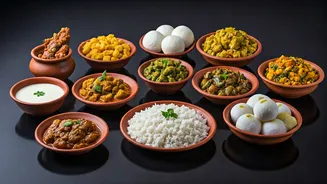
Vegetable Biryani is a fragrant and flavorful rice dish, perfect as a satisfying meal. It involves layering rice and vegetables with a blend of aromatic spices. Basmati rice is usually preferred for its long grains and distinct aroma, often parboiled before layering to ensure it cooks evenly. Vegetables like carrots, peas, potatoes, and cauliflower are often used, marinated in spices like turmeric, garam masala, and chili powder. The base of the biryani is often made with sautéed onions, ginger, garlic, and sometimes tomatoes, creating a flavorful foundation. The vegetables and rice are layered in a pot, often sealed with dough to trap the steam and enhance the flavor. Adding saffron-infused milk gives the dish a beautiful color and a unique aroma. The slow cooking process allows the flavors to meld together. Garnish with fried onions, fresh mint, and coriander for an extra layer of flavor. Each bite of vegetable biryani is an explosion of texture and flavors.
Lentil Soup: Dal Magic
Dal, or lentil soup, is a staple across India, offering comforting warmth and nourishment. There are numerous variations, each with unique flavors. The foundation often starts with toor dal (split pigeon peas), masoor dal (red lentils), or moong dal (split yellow lentils), boiled until tender. The dal is often tempered, which involves frying spices like mustard seeds, cumin seeds, garlic, and chilies in hot oil and then adding them to the cooked lentils. This step provides a burst of flavor and fragrance. Adding tomatoes, onions, and various spices further enriches the soup. A touch of ghee (clarified butter) adds richness. Fresh coriander often garnishes the finished product, and a squeeze of lime juice can add brightness. Each region has its unique version of dal, making this humble dish a journey of flavors across the country. Simple and nourishing, dal perfectly embodies the essence of Indian home cooking, providing a balanced and filling meal.
Roti and Naan Bread
Roti and naan are essential accompaniments to Indian dishes, providing the perfect way to enjoy the flavorful curries and vegetables. Roti, a simple flatbread, is made from whole wheat flour, water, and sometimes a touch of oil. The dough is rolled out and cooked on a hot griddle until it puffs up. This soft, slightly chewy bread is a staple in most Indian households. Naan, originating from the tandoor oven, is a leavened flatbread. Made with all-purpose flour, yogurt, and often yeast, it's typically cooked in a tandoor, giving it a smoky flavor and slightly charred texture. Garlic naan, topped with garlic and coriander, and butter naan, brushed with melted butter, are popular variations. Both roti and naan perfectly complement the rich flavors of Indian curries and dals. They’re a significant part of the culinary experience, soaking up sauces and providing the complete taste of each dish. Making these at home can be a rewarding experience, allowing you to control the ingredients and adjust to your taste.