




The Dual White Coats
The traditional symbol of healing, the white coat, is undergoing a significant redefinition, extending its meaning beyond hospital walls to encompass the culinary
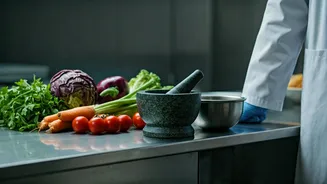
domain. Chef Gunjan Goela articulates a powerful concept: the chef's coat and the doctor's coat are essentially two facets of the same vital role in public well-being. She posits that when a chef possesses a profound understanding of ingredient interactions and the science of nutrition, the likelihood of needing subsequent medical treatment can be substantially reduced. This perspective elevates the culinary arts, particularly Indian cuisine which is experiencing a global resurgence, to a position of primary importance in preventative healthcare. The implication is that mastering the art of cooking with integrity and nutritional knowledge can serve as a potent shield, potentially negating the necessity for a physician's intervention, thereby placing the kitchen as the initial and most crucial defense in maintaining health for the populace.
Integrity in Ingredients
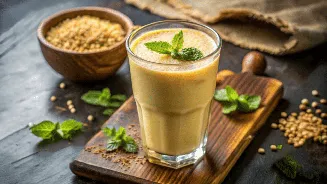
The renewed global appreciation for Indian cuisine is more than a fleeting trend; it represents a return to a deeply ingrained sense of responsibility. For Chef Goela, the chef's role transcends mere plate presentation; it's a calling grounded in honesty and a profound respect for those who consume their creations. Ingredients like drumsticks (Moringa), Indian gooseberry (Amla), and roasted gram flour (Sattu), once confined to humble home cooking, are now celebrated globally as nutritional powerhouses, underscoring the kitchen's emerging identity as a future pharmacy. Chef Goela emphasizes that to truly be a chef, one must first be a good human being, characterized by sincerity and pure intentions, due to the direct impact on another's health. This ethical foundation is paramount in transforming the kitchen into a sanctuary of well-being.
From Home to Global
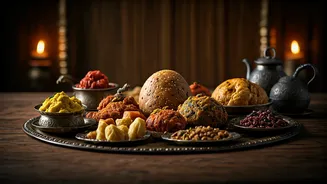
Historically, the practice of Indian cuisine was largely a private endeavor, flourishing within households or prepared by traditional confectioners (halwais) for grand feasts. Simultaneously, India's formal culinary education system, particularly in older institutes, predominantly focused on Western (Continental) culinary techniques. This created a peculiar situation where international demand for authentic Indian flavors grew, yet Indian chefs were primarily trained in non-Indian methodologies. This paradigm has dramatically shifted in recent times. The explosion of social media, the international acclaim of Michelin-starred Indian restaurants, and a burgeoning sense of national pride have collectively propelled regional Indian cuisines into the global spotlight. Today, professionally trained individuals are rediscovering and rigorously examining their ancestral culinary heritage, applying contemporary standards of scalability and hygiene to the intricate, time-honored recipes that were once exclusive to family traditions.
The Millet Movement
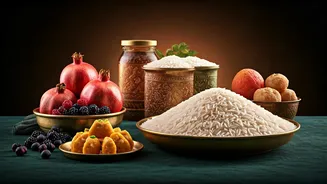
A pivotal factor driving this significant transformation has been the strong endorsement of traditional grains by national leadership. The renewed focus on millets, a category in which India is the world's largest producer, has been instrumental in elevating grains previously deemed 'poor man's food' into premium export commodities and fashionable staples in modern wellness cafes. Chef Goela highlights India's extensive agricultural diversity, stating, 'In India, we have a large variety because we are a country of farmers; the entire vegetation changes from Kashmir to the South, and so does the flavour profile.' This rich geographical variation is now a significant driver for a burgeoning sector known as Food Tourism, showcasing the country's diverse culinary landscape.
Evolving Culinary Careers
For the younger generation, the perception of a chef has dramatically evolved from that of a back-of-house operative to a globally recognized celebrity and influential thought leader. Educational institutions like Manav Rachna are now placing Indian cuisine on par with other international artistic disciplines, equipping students with skills for a wide array of careers that extend far beyond the traditional kitchen. These emerging fields include specialized roles in wellness and Ayurvedic consultation, where bespoke menus are crafted for individual physiological needs, as well as opportunities in food journalism and photography that aim to capture and convey the profound narratives of India's culinary heritage. Furthermore, a vibrant entrepreneurial ecosystem is developing, focusing on scaling traditional Indian snacks for international markets, mirroring successful ventures like the 'Samosa Queen' in London, who transformed a home-based craft into a global phenomenon.