





Embrace the Kitchen
Stepping into the realm of home cooking can initially feel daunting, a complex maze of ingredients and techniques. However, it also opens up a world of immense
personal satisfaction and creative expression. The very act of transforming raw ingredients into a nourishing meal for yourself or loved ones is incredibly empowering. Think of your kitchen not as a battlefield, but as a canvas. Every spice, every vegetable, every cooking method offers a unique stroke to your culinary masterpiece. Don't be afraid to experiment and make mistakes; they are simply stepping stones on your path to becoming a confident cook. The liberation that comes from knowing you can create delicious food from scratch is a powerful feeling, offering both convenience and a sense of accomplishment that dining out simply cannot replicate. It’s about more than just sustenance; it’s about connection, health, and personal well-being.
Foundational Recipes
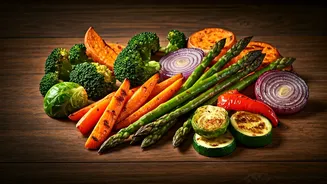
To truly feel comfortable and capable in the kitchen, starting with a few fundamental recipes is key. These aren't just dishes; they are building blocks that can be adapted and expanded upon as your skills grow. Consider mastering a basic lentil dal, a versatile vegetable stir-fry, or a simple tomato-based curry. These recipes often require readily available ingredients and straightforward cooking processes, allowing you to focus on technique and flavor development. For instance, understanding how to sauté vegetables properly—achieving that perfect tender-crisp texture—is a skill transferable to countless other dishes. Similarly, learning to balance the flavors in a dal, perhaps by adjusting the tempering of spices, teaches you about the nuances of taste. These foundational meals provide a sense of immediate success, boosting your confidence and encouraging you to tackle more complex culinary challenges with enthusiasm and a growing repertoire.
Tips for Success
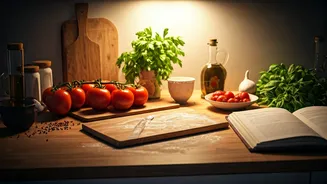
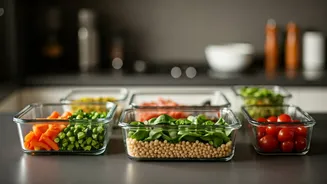
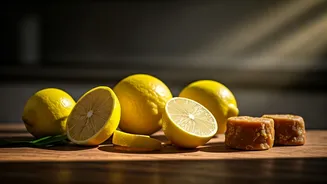
Beyond specific recipes, a few guiding principles can significantly enhance your home cooking journey. Firstly, mise en place, the French term for 'everything in its place,' is crucial. This means preparing and measuring all your ingredients before you begin cooking. Chopping vegetables, gathering spices, and measuring liquids ahead of time prevents frantic searching and potential burning of your dish. Secondly, taste as you go. Regularly sample your food throughout the cooking process and adjust seasonings, acidity, or sweetness as needed. This intuitive approach is fundamental to developing a well-seasoned dish. Thirdly, don't underestimate the power of simple garnishes like fresh herbs or a squeeze of lemon; they can elevate even the most basic meals. Finally, embrace imperfection. Not every dish will be a culinary triumph, and that's perfectly alright. The goal is progress, not perfection, and each cooking session is an opportunity to learn and refine your abilities.