




Litti Chokha's Resilience
In the regions of Bihar and eastern Uttar Pradesh, a dish named litti chokha emerged as a crucial and practical foodstuff during wartime. This sustenance
consisted of dough balls filled with roasted gram flour, a resilient ingredient. These were cooked over open flames, notably without the use of oil, and possessed remarkable longevity, remaining edible for several days. When served alongside mashed vegetables, it provided soldiers with a portable and filling energy source, essential for their arduous journeys and campaigns. The inherent durability and nutritional value made it a favored option when resources were scarce.
The Rise of Cheetos
The global conflicts significantly influenced food processing and preservation techniques. During these periods, there was a surge in the development of processed cheese, which contributed to advancements in keeping food viable for longer durations. Scientists even devised methods for dehydrating cheese into powder form, specifically for military provisions. Following the conclusion of World War II, a surplus of this dehydrated cheese powder served as the inspiration for a new wave of snack foods, particularly cheesy corn puffs. This innovation eventually paved the way for the creation of the widely popular snack known today as Cheetos.
Chapati: A Simple Staple
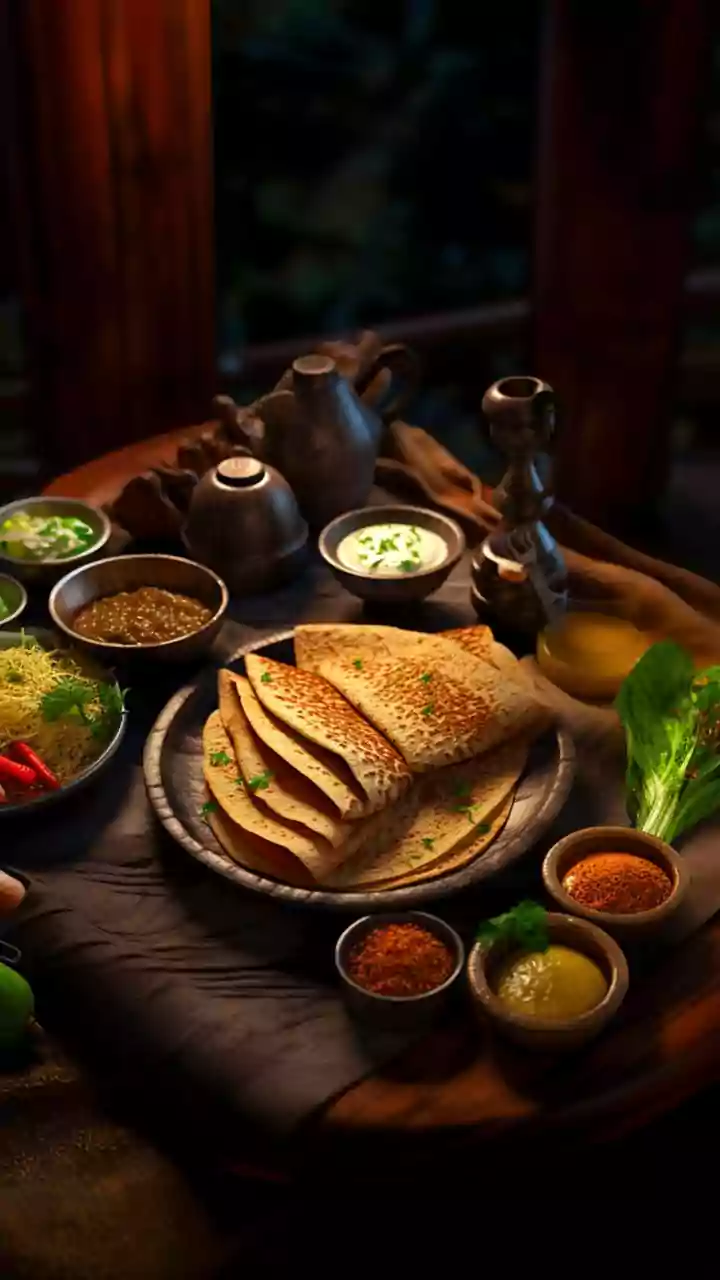
Chapati, a fundamental type of flatbread, proved to be an exceptionally suitable food during periods of conflict due to its straightforward preparation and quick cooking time. Crafted from basic wheat flour and cooked on a griddle, it was easily transported and complemented a vast array of accompanying dishes. Its portability was a significant advantage, making it a practical and accessible food for both soldiers on the move and communities facing widespread scarcity. The simplicity of its ingredients and preparation ensured its continued availability even when other food sources dwindled.
Fanta's Wartime Genesis
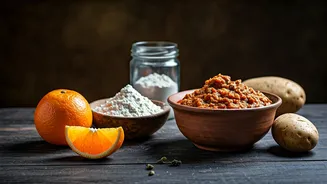
Fanta's origins trace back to the heart of World War II in Germany. International trade restrictions imposed during the conflict halted the shipment of essential Coca-Cola syrup into the country. To maintain operations and continue producing beverages, the company's German division ingeniously devised a new drink using locally available ingredients. This involved utilizing by-products from fruit processing and whey, resulting in a novel, improvised soda. Following the war's end, this resourceful creation was eventually re-introduced to the global market, solidifying its place as a popular beverage.
Sattu: A Survival Flour
Sattu, a flour derived from roasted gram, became an indispensable survival food during periods of severe food shortages. Its key advantage was its readiness for immediate consumption, requiring no additional cooking. It could simply be mixed with water or a sweetener like jaggery to provide instant sustenance. Being lightweight and possessing a long shelf life, sattu offered soldiers a readily available source of protein and sustained energy, proving invaluable during demanding marches and extended campaigns where access to traditional meals was limited.
Preservation Innovations
The exigencies of wartime significantly accelerated the development and widespread adoption of frozen and canned foods. The introduction of robust metal containers provided a crucial means of protecting food supplies during transit and allowed for extended storage periods without the risk of spoilage. These advancements were vital in ensuring that soldiers received consistent and safe rations. Post-war, the widespread availability and proven reliability of these preserved food methods led to their integration into everyday civilian households, fundamentally altering food consumption patterns.
Curd Rice Comfort
In southern India, curd rice emerged as a practical and soothing culinary option during wartime. The simple combination of cooked rice mixed with yogurt yielded a cooling and probiotic-rich dish that was exceptionally easy to digest, a critical factor when digestive health could be compromised. Often wrapped in banana leaves for portability, it served as a convenient meal for soldiers and travelers alike, enabling them to manage with limited food resources effectively. Its refreshing qualities and simple preparation made it a comforting choice amidst hardship.
Wartime Scarcity's Legacy
The periods of World Wars I and II inflicted widespread and severe food shortages across the globe. These conflicts led to the collapse of established supply chains, the implementation of widespread rationing, and the destruction of agricultural lands. In response, governments and civilian populations turned to simple, robust food items that were easy to store, prepare, and transport. The eight foods highlighted here, born from such dire circumstances, not only aided survival but also left an enduring imprint on global culinary traditions, becoming staples in everyday diets long after the wars concluded.