


Journey to Orbit
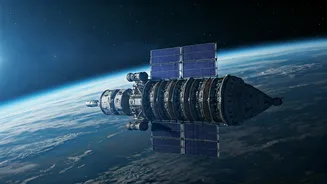
In August 2024, a significant experiment involving edible fungi commenced with the launch of 36 small vials aboard a SpaceX Falcon 9 rocket. These vials contained
the mycelium, the foundational filament network of three distinct mushroom species: lion's mane, turkey's tail, and cordyceps. These particular species were selected for their known benefits in areas crucial for prolonged space travel, such as immunity and neurological support. This mission represented Swinburne University of Technology's sixth payload to the International Space Station (ISS), facilitated by their microgravity experimentation program. The project was a collaborative effort, with initial design and prototyping involving 12 high school students from Haileybury College in Melbourne. Ensuring the fungal strains were both safe for consumption and robust enough to withstand the harsh space environment was made possible by dedicated professional microbiologists and mycologists. While the astronauts on the ISS had their own experiences, the fungi had a distinct journey. Their specialized packaging was designed to maintain a stable temperature and prevent any physical damage, keeping them secure in dedicated scientific storage areas on the station, separate from the astronauts' daily activities.
Return and Cultivation
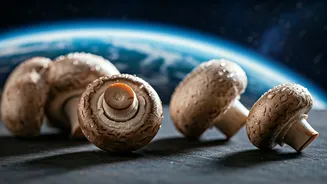
Upon their return to Earth, and subsequently to Australia, the space-traveled mycelium found a new home in a nutrient-rich substrate. They were then transferred into specialized grow kits, eagerly awaiting the emergence of any fruiting bodies—the actual mushrooms. To ascertain the optimal conditions for growth, several grow boxes were established in diverse environments, ranging from the typical setting of a kitchen counter to the more controlled setting of a laboratory refrigerator. The results were remarkably successful. Within just a few days, signs of mushroom growth became apparent, and within a week, beautiful specimens of lion's mane mushrooms were ready for harvesting and culinary use. These were not just any mushrooms; they were gourmet fungi that had journeyed to space and back. Their flavor was rich and earthy, melting into a creamy sauce when prepared with cheese for pasta, proving to be utterly delicious and showcasing the potent lion's mane taste.
Space Fungi's Resilience
The initial observations after the mushrooms' return to Earth confirmed a key finding: the reduced gravity environment of the International Space Station did not adversely affect the mycelium's development. In fact, the fungi appeared to thrive, continuing to produce multiple successive rounds of mushrooms. This sustained productivity suggests a remarkable adaptability to extraterrestrial conditions. Beyond their culinary success, these space-faring fungi are undergoing in-depth scientific analysis. However, the preliminary results are highly promising, indicating that the mycelium's growth and reproductive capabilities were not compromised. This resilience is of paramount importance for long-term space missions, such as NASA's upcoming crewed journey to the moon. Providing astronauts with a sustainable and nutritious food source is a critical challenge, and the ability of fungi to grow and proliferate in space offers a potential solution. Further research will delve into the biochemical composition and any subtle changes, but the fact that they survived and produced viable mushrooms is a significant step forward.
Future of Space Food
As humanity gears up for extended voyages further into the cosmos, such as NASA's Artemis missions to the moon, understanding how to nutritionally sustain astronauts for weeks or months becomes increasingly vital. Low-gravity environments profoundly impact human physiology, making robust nutritional support a cornerstone of mission planning. Cultivating food in space represents an ideal strategy to provide essential nutrients. A significant question looming over this endeavor is whether food produced in space environments might be compromised by factors like radiation, potentially diminishing its nutritional value. The successful cultivation and consumption of these 'space mushrooms' directly address these critical concerns. This experiment, using humble fungi, is actively contributing crucial data and paving the way for developing reliable food production systems that could support astronauts on future deep-space explorations, ensuring their health and well-being on humanity's next great frontiers.