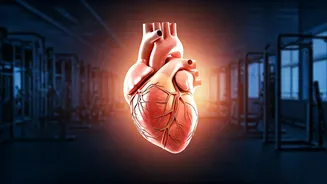










Understanding SVT
Supraventricular tachycardia (SVT) is a condition that causes your heart to beat very fast, often without warning. Doctors have noted that if your heart rate
suddenly jumps to 150–170 beats per minute (bpm) during exercise, or even while you're resting, it could be SVT. It’s important to understand the difference between SVT and a normal fast heart rate. SVT can unexpectedly occur while running or during a workout. It is essential to seek medical advice for further tests or evaluations to understand the underlying causes of SVT. While a fast heart rate during exercise is common, SVT presents a unique set of symptoms and requires specific management strategies. This section provides an overview to help individuals identify and address this condition, highlighting the importance of timely medical intervention.
Spotting the Difference
Differentiating between SVT and a normal fast heart rate is crucial. A normal heart rate increases during physical activity. However, in SVT, the heart beats abnormally fast, often in a regular rhythm, and can feel like a sudden, intense fluttering or pounding. Common symptoms of SVT include a racing heartbeat, palpitations, shortness of breath, dizziness, and sometimes even chest pain. While these symptoms can also occur in other conditions, the sudden onset and extremely rapid heart rate are key indicators of SVT. Doctors can help you determine the difference. Proper assessment is vital to rule out other potential causes. The goal of this process is to ensure an accurate diagnosis and appropriate medical care.
What to Do Now
If you suspect you have SVT, consulting a doctor is essential. Self-diagnosis is risky, so seeking professional medical advice is the most important step. Medical professionals may recommend various tests to confirm the diagnosis, such as an electrocardiogram (ECG) to monitor the heart's electrical activity. Depending on the severity and frequency of SVT episodes, treatment options vary. These can range from lifestyle adjustments, like avoiding triggers such as excessive caffeine or stress, to medication or, in severe cases, procedures like catheter ablation. Prompt medical attention and proper treatment are essential for managing SVT and minimizing its impact on your health and well-being. Regular check-ups with a cardiologist can help in effectively managing the condition and addressing any arising complications.