




Freedom & Flexibility
The allure of single life in 2026 hinges significantly on the expansive freedom it offers. Unburdened by the constraints of a relationship, individuals
enjoy unparalleled control over their time and resources. This means the ability to pursue hobbies, travel, and personal interests without needing to negotiate or compromise. The flexibility extends to career choices, living arrangements, and social circles. Imagine deciding spontaneously to take a course, accept a job offer in a new city, or spend a weekend pursuing a passion project – all without the complexities of coordinating with a partner. This autonomy also nurtures self-reliance and the ability to make decisions based solely on one's own desires and aspirations, leading to enhanced self-awareness and personal growth. The single life provides a foundation of independence that is attractive, especially considering the hectic lifestyles that are more prevalent in today's society.
Career & Financial Boost
Being unattached in 2026 can lead to significant career and financial advantages. Without the shared expenses and responsibilities of a relationship, individuals often find themselves with more disposable income. This extra financial breathing room allows for investing in personal development, pursuing advanced education, or starting a business. Moreover, the absence of relationship-related time commitments can free up valuable hours for professional pursuits. This is especially true given the flexibility of the digital marketplace. Single people have more freedom to work long hours, take on extra projects, or relocate for career advancement opportunities. The ability to prioritize financial goals without needing to factor in a partner's financial needs or aspirations can lead to quicker progress towards financial independence. This increased autonomy often results in a more confident and self-assured individual.
Self-Discovery Journey
The single life presents a unique opportunity for profound self-discovery. Without the constant influence and mirroring inherent in a relationship, individuals can delve deep into their own needs, desires, and values. This introspective journey allows for a clear understanding of personal strengths, weaknesses, and aspirations. Solo living provides a perfect setting for experimentation and trying new things without the judgment or expectations of a partner. It is a fantastic environment to cultivate hobbies, explore passions, and develop a stronger sense of self. The freedom to define one's own identity and live authentically fosters increased self-esteem and a clearer vision for the future. The ability to embrace solitude also cultivates resilience and the ability to find contentment within oneself, which are crucial for long-term happiness.
Stronger Social Connections
Contrary to popular belief, single people in 2026 often cultivate richer and more diverse social lives. The absence of a partner frees up time and energy to invest in friendships and family relationships. Without the inherent couple-centric social dynamics, singles tend to build broader networks, interacting with a wider range of people from diverse backgrounds. The emphasis shifts from couple-focused activities to group outings, shared interests, and building stronger, more meaningful bonds with friends and family. Social interactions become more intentional and driven by shared passions, leading to a deeper sense of belonging and support. The single life can foster a greater appreciation for the value of individual relationships and a more open, inclusive approach to socializing, creating a robust support network centered on diverse individuals rather than just a romantic partner.
Mental & Physical Wellness
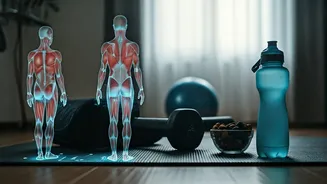
The single life promotes both mental and physical wellness. The freedom from relationship conflicts and the space for individual self-care contribute to lower stress levels. Without the pressure to constantly compromise or accommodate a partner's needs, individuals can prioritize their own well-being. This might involve adopting healthier eating habits, establishing consistent exercise routines, or taking up relaxing hobbies. The ability to set personal boundaries and create a lifestyle that supports mental health is also a significant advantage. The lack of constant negotiation and compromise allows for a more relaxed and self-directed life, creating less stress and anxiety. Overall, single individuals can tailor their lifestyle more effectively to support both physical and mental well-being, leading to greater overall happiness and life satisfaction. They have more freedom to prioritize exercise and a healthy diet.