





The Humble Potato
The potato, a ubiquitous presence in nearly every Indian kitchen and a star in dishes from comforting curries to crispy samosas and zesty chaats, feels
as intrinsically Indian as the banyan tree. However, this culinary chameleon's true home is far from the subcontinent, originating in the lofty Andes Mountains of South America. It was there, cultivated by ancient Inca civilizations, long before its voyage to Europe and subsequent arrival in India. Once introduced, the potato proved to be an exceptional addition, its affordability, satisfying nature, and remarkable ability to absorb and complement any spice blend made it an instant favorite, readily transforming into the versatile ingredient it is today.
The Versatile Tomato
It's almost impossible to picture a modern Indian meal without the vibrant presence of the tomato, a key ingredient that adds tang, depth, and color to countless preparations. Yet, this essential kitchen staple also embarked on a global journey, hailing from the Andean highlands of South America. After its domestication in ancient Mexico, the tomato was introduced to Europe by the Spanish in the 16th century, eventually making its way to Indian culinary landscapes. There, it evolved into a crucial component for balancing flavors, thickening gravies, and enlivening chutneys and sauces. Beyond its culinary prowess, tomatoes are rich in lycopene, an antioxidant celebrated for its heart-health benefits and potential disease-preventive properties, while also contributing to radiant skin by combating environmental damage.
The Fiery Chilli Pepper
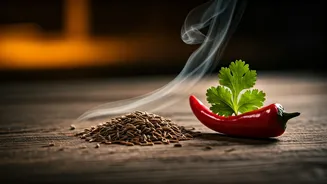
The fiery kick often associated with Indian cuisine is a sensation that many assume to be an indigenous characteristic. However, the vibrant heat of chilli peppers did not originate within India's borders. These zesty pods are native to the Americas, with scientific evidence pointing to Mexico as a primary center for the domestication of the Capsicum annuum species, while other varieties were independently cultivated across Central and South America. Introduced to Europe in the late 15th century, chillies gradually disseminated throughout Asia and Africa. While India may not have invented the chilli, it undoubtedly perfected its integration into the national palate, making this ingredient feel like an innate part of the country's gastronomic soul.
The Common Cauliflower
Cauliflower has masterfully assimilated into Indian cooking, presenting itself in familiar dishes like 'aloo gobi,' creamy kormas, quick stir-fries, and popular street food preparations. Its integration has been so seamless that many would be surprised to learn it wasn't always a resident of Indian gardens. This cruciferous vegetable actually traces its origins to Western Asia, where it was recognized by ancient civilizations such as the Persians, Greeks, and Romans. Over centuries, it traveled and adapted, ultimately finding a significant place in the Indian home kitchen. While its Indian identity is strong and well-established, it is a cultivated persona, acquired through a long and intriguing culinary migration.
The Popular Samosa
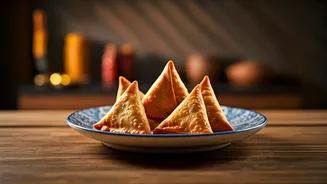
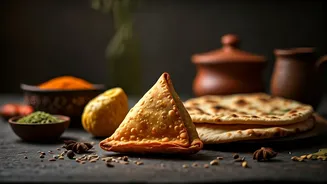
While the samosa is arguably one of India's most cherished and recognized snacks, its culinary lineage begins elsewhere. Historical evidence suggests a precursor to the modern samosa emerged from the Middle East and Central Asia, where similar filled pastries were known by names like 'sanbusak.' These early versions journeyed to the Indian subcontinent, potentially through royal kitchens and established trade routes. Upon arrival, they were meticulously transformed, evolving into the golden-brown, spiced, triangular delight that has become synonymous with Indian tea time, showcasing India's remarkable talent for reimagining and perfecting borrowed culinary traditions.
The Beloved Naan Bread
The soft, often buttery, and perfectly baked naan bread is a staple found in Indian restaurants both domestically and across the globe. Interestingly, the very name 'naan' originates from the Persian language, reportedly stemming from 'nân-e sangak.' Historical texts, including those by the 14th-century poet Amir Khosrow, document its presence in India. The bread likely arrived via the extensive cultural and culinary exchanges that occurred for centuries between Persia, Central Asia, and the Indian subcontinent. As culinary practices and ingredients were shared among cooks, traders, and royal households, wheat-based breads cooked in hot ovens gradually adapted to local palates, eventually becoming a cornerstone of North Indian dining, particularly favored by Mughal nobility before its widespread adoption.
The Sweet Jalebi
The sight and taste of jalebi evoke strong associations with Indian festivals, sweet gift boxes, and bustling roadside sweet stalls. However, its historical narrative traces westward. Early references to similar confections appear in Arabic and Persian cookbooks under names like 'zalabiya' and 'zolbiya,' with later iterations spreading through the Middle East before making their way to India. Once in the subcontinent, the jalebi underwent a significant transformation, becoming noticeably brighter, crisper, and more dramatically presented, ultimately adopting its iconic, coiled orange form that is now a ubiquitous symbol of Indian celebrations and everyday indulgence.