





The Rising Cost of Milk
Recent reports indicate a significant price increase for popular packaged milk brands across India, impacting household budgets. This surge affects various
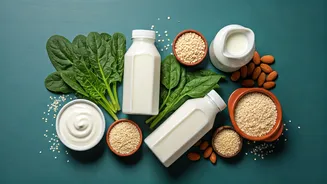
milk types, including full cream, toned, cow, and buffalo milk, as well as premium varieties. For instance, a 1-litre pack of one brand's gold milk has seen a revision to Rs 70 from Rs 68, and another popular brand's buffalo milk now costs Rs 80 for a 1-litre pack, up from Rs 75. These adjustments, effective from mid-May, mean consumers will need to allocate more funds for this dairy staple. The ripple effect of inflation on essential goods like milk presents a challenge, particularly for middle-class families who rely on it as a primary source of calcium and other vital nutrients. This situation prompts a closer look at accessible and equally beneficial alternatives that can be integrated into daily consumption patterns without compromising on nutritional intake.
Sesame Seeds: Tiny Powerhouses
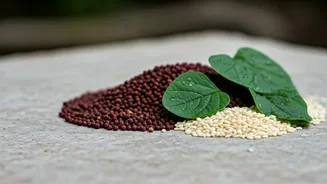
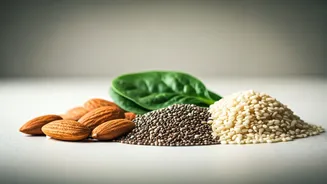
Sesame seeds, renowned for their impressive calcium content of 975 mg per 100 g, offer a versatile and potent source of this essential mineral. These tiny seeds can be a crunchy delight when sprinkled over salads and vegetable dishes, or transformed into a flavorful paste for chutneys. Beyond their culinary uses, they contribute significantly to bone health and density. Their nutritional profile also includes phosphorus, magnesium, and zinc, all of which play a crucial role in facilitating calcium absorption, thereby enhancing their effectiveness in strengthening bones. Incorporating them into smoothies, paratha dough, or even as a topping for dals and soups makes them an accessible and beneficial addition to a balanced diet, especially when milk prices become a concern.
Amaranth Leaves: A Leafy Delight
Amaranth leaves emerge as a highly nutritious green vegetable, boasting approximately 350-400 mg of calcium per 100 g. This makes them a commendable alternative for individuals seeking to boost their calcium intake naturally. Their culinary adaptability allows for diverse preparations; they can be cooked into a savory porridge, a popular breakfast option, or transformed into flatbreads like rotis, dosas, or pancakes. Their inclusion in meals offers a substantial amount of calcium, supporting bone health and overall well-being. The ease with which amaranth leaves can be integrated into various dishes, from simple sautés to more complex preparations, makes them a practical and wholesome choice for daily consumption, especially in light of increasing dairy costs.
Almonds: Crunchy Calcium Source
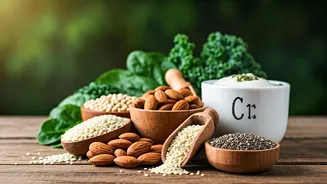
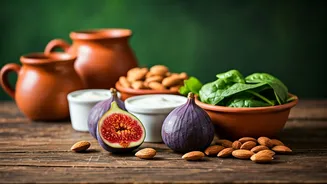
Almonds present a delectable and calcium-rich option, offering about 260 mg of calcium per 100 g. For optimal absorption and easier digestion, it is recommended to consume them soaked overnight. Once peeled, these nuts can be a delightful addition to a variety of dishes. They lend themselves well to desserts, can be blended into creamy oats, incorporated into smoothies and shakes for added texture and nutrition, or even transformed into a flavorful chutney. Their natural goodness and pleasant taste make them an appealing choice for those looking to supplement their calcium intake. Including almonds in your diet is a simple yet effective way to support bone and tooth health, especially when conventional dairy options become less affordable.
Chia Seeds: Nutritional Powerhouses
Chia seeds stand out as exceptional sources of calcium, providing around 631 mg per 100 g. Just two tablespoons of these tiny seeds can deliver approximately 177 mg of calcium, fulfilling a significant portion of an adult's daily requirement. Beyond their impressive calcium content, they are instrumental in boosting both bone and tooth strength. Their benefits extend to aiding muscle function and nerve signaling, contributing to overall physiological health. Furthermore, the presence of magnesium and phosphorus in chia seeds is crucial for enhancing calcium absorption, maximizing their skeletal benefits. Their versatility allows them to be easily added to porridges, smoothies, or used as a thickening agent, making them a convenient and potent nutritional booster in any diet.
Ragi: The Ancient Grain
Ragi, also known as finger millet, is a highly valued ancient grain that contributes significantly to calcium intake, offering approximately 162 mg per 100 gms. This nutrient-dense grain is recognized for its ability to support the health of bones and teeth, playing a vital role in their structural integrity. Additionally, ragi aids in muscle contraction and ensures proper nerve function, crucial aspects of maintaining an active lifestyle. Its rich profile also includes substantial amounts of fiber, potassium, and antioxidants, which collectively promote better digestion and contribute positively to cardiovascular health. Ragi can be prepared in numerous ways, including as a comforting porridge, a base for savory pancakes, or incorporated into dough for rotis, offering a wholesome and accessible dietary option.