





Hostas for Shade
Hostas are a quintessential choice for shaded garden spots, renowned for their lush foliage that provides visual interest from late spring until mid-fall.
Planting them in May is highly recommended because the emerging leaves are still developing, allowing new plants to acclimate to their environment. This crucial period before the intense summer heat sets in helps establish a robust root system, setting them up for success. Their low-maintenance nature and versatility make them a favorite for many gardeners seeking enduring beauty with minimal fuss, contributing a vital element of green to under-lit areas.
Bleeding Heart Blooms
Bleeding Heart is another cherished perennial that graces shady gardens, with its peak blooming period often occurring in mid to late spring. Once the risk of frost has completely passed, typically in May for many regions, it's the ideal moment to transplant these delicate plants. This timing is critical for ensuring their survival and establishment throughout the summer months. While it's common for a Bleeding Heart not to produce flowers in its inaugural year in the garden, patience is rewarded with their exquisite, heart-shaped blossoms come the following spring.
Creeping Phlox Groundcover
For a beautiful, low-growing carpet of flowers, Creeping Phlox is an excellent choice. This perennial is quite sensitive to extreme heat, making its establishment before temperatures soar a significant advantage. Planting in May, after the last frost, provides the ideal window. It's crucial to provide consistent watering during its first summer to help it adapt and thrive, ensuring it can withstand warmer conditions and develop into a dense, flowering groundcover that suppresses weeds and adds delicate charm.
Columbine Elegance
Columbine, with its unique spurred flowers, is best introduced to the garden when the weather is mild and the danger of frost has subsided, making May a prime planting month for many. For those in warmer southern climates, an early fall planting can also be successful in preparation for the next year. Starting with seedlings or established transplants in May is generally more effective than sowing seeds, as seeds typically require a six-to-eight-week head start before the final frost date.
Hellebore's Early Charm
Hellebores are celebrated for their early spring blossoms, often already in bloom by May. Despite their early flowering, May is still an opportune time for planting these shade-tolerant perennials in many hardiness zones. The key is to get them into the ground after the threat of frost has diminished. This timing allows new plants to establish their root systems effectively before the onset of summer's heat, ensuring their resilience and continued blooming in subsequent seasons.
Shasta Daisy Radiance
Shasta Daisies are a garden classic, cherished for their enduring, cheerful white blooms that brighten landscapes for extended periods. Tammy Sons, founder of TN Nursery, advises that May is the optimal month for planting these delightful perennials. To achieve the best display, ensure your chosen location is sunny and has received no frost for the season. Proper planting in May sets the stage for a summer filled with their iconic, ray-like petals.
Fragrant Lavender
Highly valued for its captivating fragrance, beautiful purple blossoms, and versatile uses in culinary and aromatherapy applications, Lavender is a garden favorite. While established Lavender plants can sometimes be transplanted during the summer, the ideal time to plant this perennial herb is in early spring, once all risks of frost have passed. For many gardeners, this aligns perfectly with the month of May, providing the best conditions for its successful establishment and subsequent fragrant displays.
Black-Eyed Susan
Instantly recognizable for their vibrant yellow petals and dark centers, Black-Eyed Susans are synonymous with sunny summer gardens and prolonged blooming periods. Although their foliage may only start appearing in May, this month presents the optimal window for planting them. Select a location that benefits from several hours of direct sunlight daily, and be sure to water them thoroughly immediately after planting to encourage robust growth and a spectacular summer show.
Coneflower Color
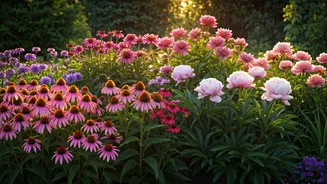
If you're anticipating the delightful blooms of Coneflowers gracing your garden this year, planting them in May is the recommended strategy. Coneflowers typically begin their show in mid to late summer, but they require a well-developed root system to achieve this. Therefore, planting seedlings or nursery starts as soon as frost is no longer a concern in May is the most effective approach to prepare them for their eventual summer flowering.
Poppy Wonders
Poppies flourish best when exposed to warm days and cool nights, making May an opportune time for planting them across most gardening zones. You can sow these flowering perennials directly into the soil or plant them as pre-established nursery starts. Depending on when seeds are initially sown, their blooming season typically extends from late spring through late summer. While many poppy varieties are sensitive to frost, they often reseed themselves effectively, ensuring their return year after year.
Delphinium Height
Delphiniums, also known as larkspur, are prized for their dramatic, tall spikes of flowers that add vertical interest to garden designs, with some varieties exceeding six feet in height. They thrive in regions characterized by long, cool spring seasons. These perennials are relatively short-lived, usually lasting between three to five years. It's advisable to plant seedlings and transplants as soon as frost danger has passed, which often falls in mid to late May in their preferred growing climates.
Salvia Fragrance
Salvia, commonly referred to as sage, encompasses a vast genus of over 1,000 plant species, with many originating from North America. This perennial is widely appreciated for its pleasant aroma and attractive flowers, which bloom from late spring into mid-summer and come in various shades of purple and red. As a tender perennial, Salvia can be safely planted in the garden once the risk of frost has completely passed, making May a popular and advantageous month for its introduction.