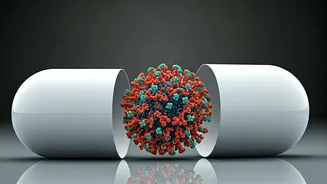

Antibiotics: An Overview
Antibiotics are potent medicines explicitly designed to combat bacterial infections. Their mechanism involves attacking the bacteria, thereby impeding
its growth or leading to its demise. This is achieved by either disrupting the bacterial cell wall, hindering protein synthesis, or interfering with DNA replication. The use of antibiotics is crucial in treating a range of bacterial ailments, including pneumonia, urinary tract infections, and skin infections, and the misuse of antibiotics can lead to resistance, making future bacterial infections harder to treat, due to the ability of bacteria to evolve and adapt.
Viruses and Antibiotics
Viruses, unlike bacteria, are not living organisms, and antibiotics are useless against them. Viruses infiltrate host cells, making them harder to target directly. The drugs target the bacterial cellular machinery, something that viruses do not possess. Common illnesses like the cold, flu, and most sore throats are caused by viruses, so antibiotics provide no benefit in these cases. Antibiotics only treat bacterial infections, hence, they do not function against the viral infections. Using antibiotics inappropriately will not help recover from a viral infection, and might actually make it worse.
Body's Natural Defense
The human body is equipped with a robust immune system designed to battle viral infections. The immune system recognizes the viral intruder and initiates a series of responses, including producing antibodies that bind to the virus, thereby neutralizing it. This process can cause the infected individual to experience a variety of symptoms, such as fever, cough, and fatigue. Depending on the strength of the person's immune system, most viral infections typically resolve within a period of three to five days. Rest, hydration, and symptom relief often suffice during this period, and it is usually a matter of the body's natural defense mechanism taking its course to heal.
Why Antibiotics Don't Work
Antibiotics are targeted therapies, which means that they are designed to work against the bacterial infections, but they are completely ineffective against viruses. The structure of viruses is fundamentally different from bacteria. Viruses invade cells, using the host cell's machinery to multiply. Antibiotics do not have the mechanism to affect this process, making them useless in treating viral infections. In fact, inappropriate use of antibiotics can lead to the development of antibiotic resistance, in which the bacteria develop ways to survive the antibiotics. Therefore, antibiotics should not be used in the absence of a bacterial infection, making it all the more important to seek guidance from medical professionals.
When to Seek Advice
While most viral infections resolve on their own, certain situations necessitate medical attention. If symptoms are severe, include difficulty breathing, high fever, or severe pain. In these cases, one should consult a doctor, and, in some cases, the condition may need urgent medical care. If symptoms persist longer than expected, it is advisable to get medical advice. A healthcare provider can determine the cause of the illness and prescribe suitable treatment if needed. They can also provide guidance on managing symptoms and avoiding complications, which can ensure a safe and effective recovery.