





Menu Transformations Unfold
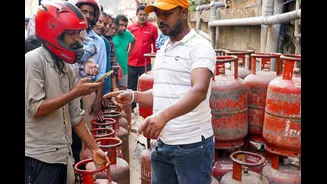
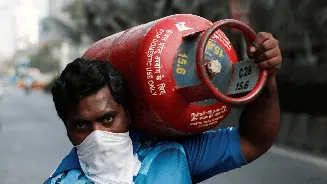
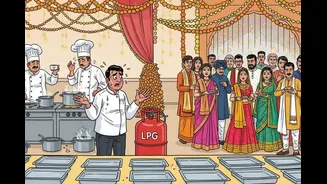
The city's culinary scene is undergoing a subtle yet significant shift as restaurants grapple with a scarcity of commercial Liquefied Petroleum Gas (LPG).
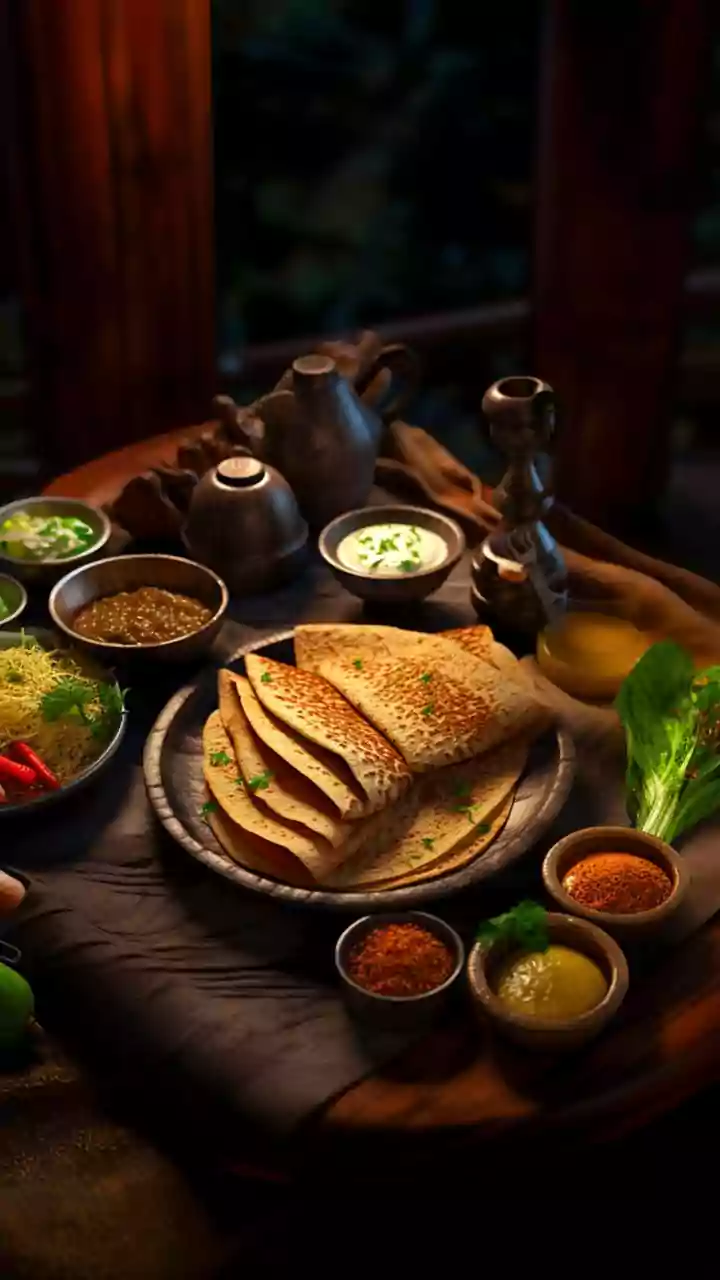
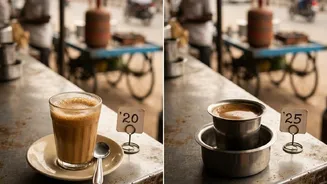
This disruption, stemming from geopolitical events like the Iran-Israel conflict which has impacted LPG imports, is forcing eateries to rethink their operational strategies. Dishes that demand prolonged, consistent heat, such as the beloved vada and masala dosa, are being temporarily removed from menus. Instead, a greater reliance is being placed on speedier culinary preparations. Staff in some establishments are actively working to substitute these fuel-intensive items with alternatives like sandwiches and various bread-based preparations. This proactive adjustment is designed to ensure continued service, demonstrating resilience and a commitment to customers even amidst challenging circumstances, with the hope of reverting to original menus once supply chains stabilize.
Innovative Cooking Methods
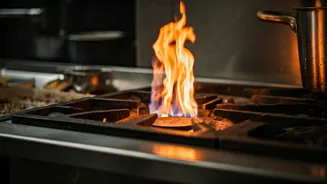
For many Bengaluru restaurants, commercial LPG cylinders are the lifeblood of their kitchens, especially for iconic South Indian fare that requires precise temperature control. The current scarcity has led to innovative, albeit temporary, cooking methods being adopted. Some popular eateries are strategically switching off their dosa tawas for periods throughout the day to conserve precious fuel. This has naturally led to a pivot towards quicker meal options. Beyond menu adjustments, some kitchens are exploring entirely new cooking mediums. Moveable charcoal burners and even traditional firewood are being employed as stopgap solutions. While these methods may not perfectly replicate the instant heat and control of LPG, they are proving effective in keeping the kitchens operational without compromising safety or significantly increasing operational expenditures. This ingenuity highlights the adaptability of the city's restaurateurs in the face of supply chain challenges.
Supply Chain Repercussions
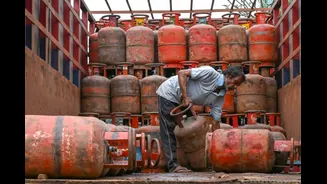
The current LPG challenge in Bengaluru is a direct consequence of broader international supply chain disruptions. Oil Marketing Companies (OMCs) have had to re-prioritize the allocation of commercial LPG, favoring essential services like hospitals and educational institutions. This recalibration followed significant delays in shipments navigating vital shipping lanes like the Strait of Hormuz, exacerbated by the ongoing Iran-Israel conflict. India's substantial reliance on imported LPG means that such global events have a tangible local impact. Restaurants in Bengaluru, many of which depend exclusively on commercial LPG cylinders, are now experiencing the downstream effects. The situation underscores the interconnectedness of global trade and local commerce, prompting a need for calm and strategic management from industry stakeholders.
Kitchens Embrace Adaptation
Rather than succumbing to the pressure of the LPG shortage, numerous Bengaluru restaurants have chosen a path of active adaptation. Instead of issuing widespread alerts or contemplating temporary closures, kitchens are being systematically reorganized. Staff members in several mid-range hotels have been observed repurposing spaces, perhaps by shifting materials to create designated areas for charcoal burners. Others are meticulously planning their cooking schedules, staggering operations to ensure that their limited cylinder supply lasts through peak service hours. This proactive approach allows them to maintain steady employment for their teams and continue serving their clientele, albeit with modified offerings. The prevailing sentiment among restaurant owners is one of careful navigation, focusing on operational adjustments to weather the storm until supply levels return to normal.