


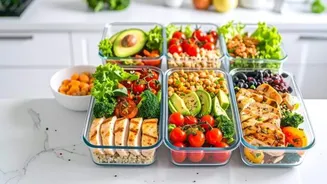
Salads: The Unseen Calories
The perception that salads are always synonymous with healthy eating is widespread. However, Rakul Preet Singh highlighted that some salads can be surprisingly
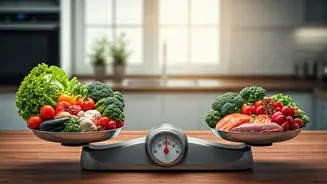
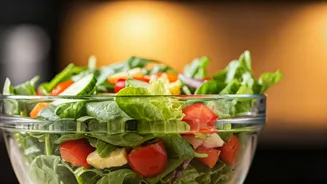
high in calories. This is often due to the additions and dressings, which can quickly transform a light meal into a calorie-dense one. Many pre-made salads, particularly those ordered from restaurants or fast-food chains, are laden with creamy dressings, croutons, cheese, and other toppings that significantly increase the caloric intake. Understanding this can help people approach their food choices more consciously, ensuring that what they consider healthy truly aligns with their nutritional goals. Carefully scrutinizing the ingredients and portion sizes, along with making informed substitutions, can help people enjoy salads without compromising their dietary needs.
Decoding Clean Eating
Truly clean or minimally processed eating involves prioritizing whole, unprocessed foods. This means focusing on ingredients in their natural state – fresh vegetables, fruits, lean proteins, and whole grains. Avoid heavily processed foods, which often contain added sugars, unhealthy fats, and artificial additives. Clean eating emphasizes preparing meals at home, which gives people control over ingredients and portion sizes. The aim is to nourish the body with foods that provide essential nutrients and support overall well-being. By focusing on whole foods, people can reduce their intake of unwanted calories and improve their overall health. For clean eating, it is essential to read food labels, avoid items with long ingredient lists, and opt for meals prepared from scratch whenever possible.
Outside Salad Hazards
Ordering salads outside comes with potential risks. The biggest concern is often the use of high-calorie dressings. Many restaurants use creamy, store-bought dressings that are loaded with fats and sugars. Hidden ingredients like bacon bits, cheese, and fried toppings can also turn a seemingly healthy salad into a calorie bomb. Portion sizes are another factor: larger salads contain more calories from toppings and dressing. To make healthier choices, one should ask for dressing on the side and choose lighter options like vinaigrettes. Be mindful of the extras added to your salads. It's beneficial to select salads with lean protein, such as grilled chicken or fish, and plenty of fresh vegetables. This helps to create a balanced, satisfying meal that supports health objectives.
Making Informed Choices
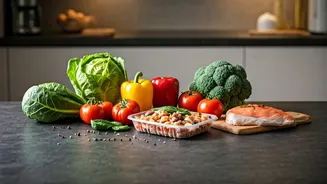
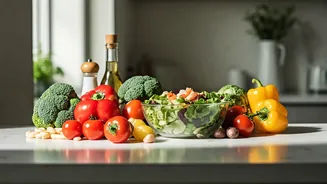
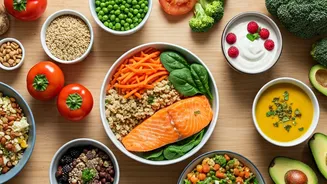
To make informed salad choices, people should actively seek out information about ingredients and preparation methods. When ordering salads, ask detailed questions about the dressing used, the types of cheeses, and any other additions. If possible, request specific modifications. Choosing a salad at home allows complete control over all aspects of the meal. A great starting point is a base of leafy greens like spinach or romaine lettuce. Add non-starchy vegetables such as bell peppers, cucumbers, and tomatoes. Incorporate a lean protein source, such as grilled chicken or beans, and a light dressing made at home. This approach guarantees that the salad aligns with nutritional goals. The effort to understand and adapt choices can make a significant difference in eating habits.