


Global Culinary Canvas
Around the globe, cultural institutions are increasingly recognizing the power of fine dining to enhance the visitor experience, moving beyond traditional
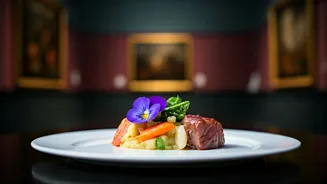
gallery offerings. In Lisbon, the Museu de Arte Contemporânea Armando Martins (MACAM) offers an exclusive evening affair, inviting patrons to savor innovative dishes by Chef Tiago Valente in its sculpture garden after hours. This approach, adopted by MACAM since its opening last March, positions it at the forefront of a movement to imbue museums with vibrant, gastronomic life. Kareem George, founder of Culture Traveler and a Travel Advisory Board member, notes that these museum eateries are becoming significant attractions, drawing crowds with their unique culinary propositions. This global trend signifies a significant shift in how cultural venues engage their audiences, integrating exceptional food as a core component of their identity.
Michelin Stars Meet Masterpieces
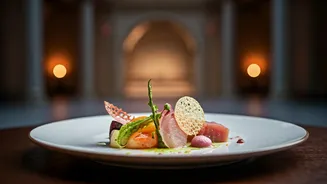
The fusion of world-class gastronomy with art continues in Spain, where Michelin-starred Chef Emi Schobert has established a presence at the Museum of Málaga. Here, diners can indulge in meticulously crafted nine and 15-course tasting menus, including Schobert's signature dish, _alfajor de molleja_. This inventive creation reinterprets the traditional South American sweet treat by using savory sweetbreads, a personal homage to his Argentine heritage. Further illustrating this trend, the Fenix museum in Rotterdam, dedicated to the theme of migration, features Chef Maksut Askar. Askar elevates humble Turkish street food, such as _mantı_ (dumplings) and _mücver_ (zucchini fritters), within his dining establishment, offering a refined taste of culinary heritage. These examples highlight a deliberate strategy by museums to partner with renowned chefs, creating dining experiences that are as noteworthy as the art on display.
California's Culinary Culture
Closer to home for many, the Napa Valley Museum of Art & Culture in St. Helena, California, showcases an upscale culinary offering with . This establishment functions as a sophisticated café, bakery, and butcher counter, expertly managed by Chef Philip Tessier, formerly of Press Napa Valley. The menu at this distinctive venue features opulent items such as Wagyu-beef tartare and a decadent lobster corn dog adorned with caviar, demonstrating a playful yet refined approach to dining. This initiative by the Napa Valley museum underscores the broader trend of cultural institutions expanding their appeal by integrating high-quality food services. It’s a strategic move to attract a wider audience and provide visitors with a comprehensive experience that extends beyond visual art appreciation, making the museum a multifaceted destination.
Artistic Palates Flourish
In northeastern France, the Centre Pompidou-Metz, which opened its doors in 2024, presents a culinary landscape shaped by Chef Charles Coulombeau. Coulombeau masterfully blends ingredients sourced from the surrounding Lorraine region with innovative Japanese culinary techniques. His offerings include intriguing dishes like _soufflé de barbue_ paired with passionfruit and samphire, and _tamagoyaki_ enhanced with caviar and French butter. Even desserts are imbued with artistic flair, such as a playful creation that humorously referenced Maurizio Cattelan's famous banana-and-tape art piece. Hala Moddelmog, president and CEO of Woodruff Arts Center in Atlanta, emphasizes that such clever art-world allusions significantly deepen visitor engagement. She observes that dining is emerging as a novel avenue for visitors to connect with the arts, extending the overall cultural encounter provided by institutions.
Engaging Through Gastronomy
Woodruff Arts Center in Atlanta exemplifies this philosophy, recently unveiling a revitalized space featuring site-specific art installations and a menu inspired by coastal Italian cuisine. Moddelmog states that the visitor's experience doesn't conclude with the performances on stage or the art adorning gallery walls; it distinctly extends to the culinary offerings. This sentiment is echoed in Sydney at the Museum of Contemporary Art Australia, where the new boasts a unique 'seasonal chef-in-residence' program. This initiative invites a culinary professional to spend several months on-site, developing menus that often incorporate local ingredients and cultural influences. Currently, Chef James Scott leads the kitchen, ingeniously merging his Scottish heritage with Australian produce, as seen in his playful 'lambington' entrée – a savory, haggis-stuffed dish ingeniously named after the classic layered dessert, showcasing how food can be a creative extension of artistic expression.