







Return to the Moon
The year 2026 is shaping up to be a pivotal time for lunar exploration. Multiple private spacecraft are gearing up for lunar landings, signaling a renewed
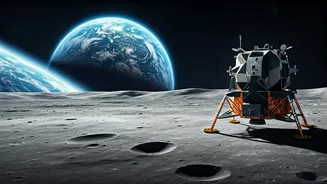
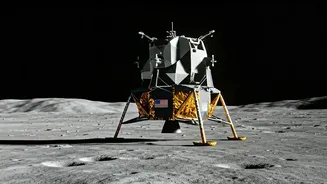
interest in the moon. This ambitious endeavor includes initiatives like the Artemis program by NASA, which aims to send astronauts back to the moon. Simultaneously, private entities are making their mark, such as those taking reservations for lunar hotel rooms. These developments demonstrate a strong push towards establishing a human presence on the moon. The advancements include the development of the Argonaut moon lander, and China's Chang'e 7 mission, which is expected to search the lunar south pole for water, adding to the exciting prospects of the year.
Private Lunar Missions
Alongside governmental efforts, private companies are actively pursuing lunar ambitions. Several firms are planning lunar landings in 2026. This surge in private spaceflight signals a changing landscape where commercial entities play a significant role in space exploration. These companies are not only focused on landing on the moon, but are also driving innovation, developing new technologies, and seeking to capitalize on opportunities in the lunar market. This includes companies taking reservations for hotel rooms on the moon, demonstrating the commercial potential of lunar activities. Moreover, companies like Impulse Space are also stepping into the lunar ring, further diversifying the players in the race to the moon.
Technological Advancements
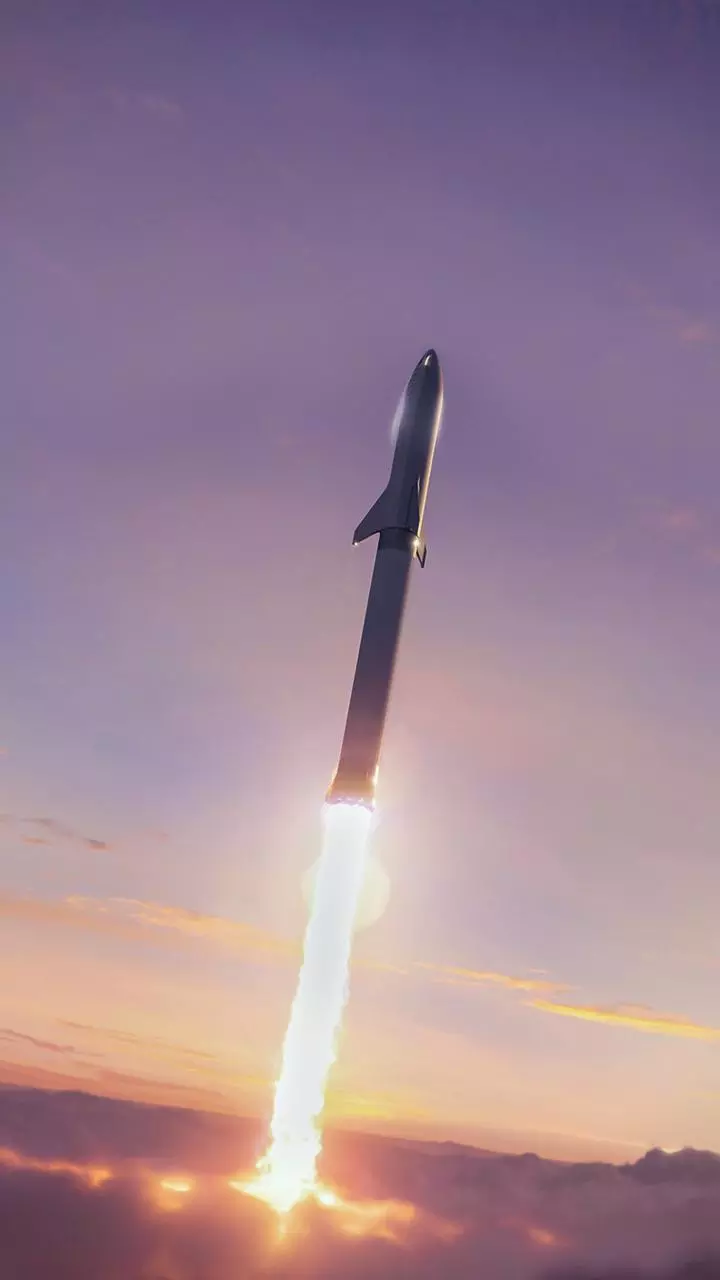
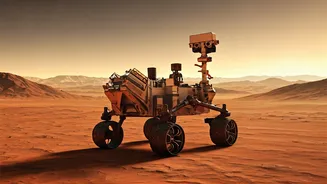
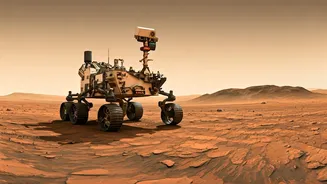
Technological advancements are key to facilitate the exploration of the moon in 2026. The development and deployment of new space telescopes, such as the next-generation telescopes spearheaded by a former Google CEO, are expected to provide unprecedented insights into the cosmos. Furthermore, advancements in rocket technology, like SpaceX's Starship, could make space telescopes more accessible and cost-effective. These advancements are not limited to telescopes. They are also encompassing the creation of a commercial semiconductor factory in space, which demonstrates how diverse advancements are contributing to the ongoing space endeavors. The progress made in the development of moon rovers, using advanced technology to search for water ice, will enhance our understanding of the lunar environment.
Human Spaceflight Programs
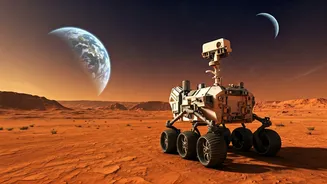
Human spaceflight remains a focal point in 2026. The Artemis program, led by NASA, is a key component, with Artemis 2 aiming for a historic astronaut launch around the moon. The preparations for the Artemis 2 launch are already underway, including rehearsals for the crew. The anticipation is high, with the rocket 'candle' lighting up the Washington Monument, creating a sense of excitement. Moreover, the focus is not only on the moon; plans are being developed to send humans to Mars, with scientists preparing robotic explorers to aid this ambitious goal. These programs are paving the way for future long-duration human missions and creating a new chapter in space exploration.
Ongoing Lunar Research
Extensive research is underway to prepare for future lunar missions and understand the moon better. The search for water ice on the moon and its potential use for lunar bases is a high priority. Also, missions like China's Chang'e 7 aim to search for water at the lunar south pole, adding to the ongoing efforts to understand the potential of the moon. Other research, such as the leak of Earth's atmosphere to the moon, is essential for lunar base development. Scientific investigation is complemented by technological advancements, such as the development of new technologies to search for alien life and the funding of a new 'Super Hubble' to search for alien life. The combined endeavors demonstrate the ongoing commitment to expand our knowledge of the moon and the wider universe.