







The Multivitamin Mirage
Many women find themselves constantly battling fatigue, turning to quick fixes like caffeine, sugary snacks, or multivitamins to power through their days.
This reliance often stems from a lifestyle characterized by interrupted sleep, emotional strain, hormonal shifts, skipped meals, and the relentless pressure to keep going. What might be dismissed as simply being 'busy' is, in reality, a pervasive exhaustion that many women learn to accept as normal. While multivitamins can address specific nutritional deficiencies, they are not a panacea for low energy. Experts emphasize that true restoration requires a comprehensive strategy that rebuilds overall harmony, rather than just filling nutritional gaps. Energy is far more than a pill; it's about cultivating balance across multiple aspects of well-being.
Nourishment for Sustained Energy
Instead of restrictive diets or temporary solutions, prioritize consistent, whole-food nutrition. For women experiencing fatigue, particularly related to menstrual cycles or heavy periods, incorporating iron-rich foods like spinach, lentils, beetroot, and pumpkin seeds is crucial. Pairing these with adequate protein from sources such as eggs, nuts, seeds, and legumes helps stabilize blood sugar levels, preventing energy dips. Complex carbohydrates derived from whole grains, sweet potatoes, and fruits offer a steady release of energy, keeping vitality levels consistent throughout the day. This approach ensures the body receives the continuous fuel it needs without the volatility of quick fixes.
Tackling Stress and Hormones
Chronic stress acts as a significant, often unnoticed, energy drain. Adaptogenic herbs are increasingly recognized for their ability to help manage this. Ashwagandha, for example, can assist in balancing cortisol levels, while Rhodiola may combat mental fatigue and enhance overall stamina. These herbs work by gently supporting the body's natural stress response mechanisms rather than acting as artificial stimulants. Hormonal health also plays a vital role in energy levels, especially during menstrual cycles, postpartum recovery, or perimenopause. Nutrients like magnesium, omega-3 fatty acids, and B vitamins are particularly supportive during these transitional phases, helping to mitigate energy fluctuations.
Essential Habits for Vitality
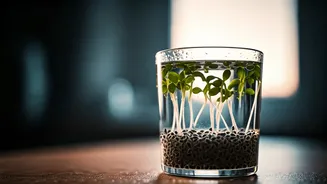
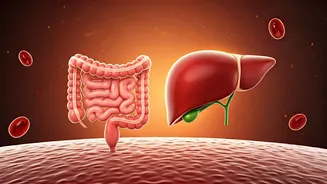
Often overlooked, hydration is fundamental for maintaining energy. Even mild dehydration can negatively impact mood, concentration, and vitality, leading to feelings of tiredness. Opting for herbal teas, coconut water, or infused water can be more effective than relying heavily on caffeine. Similarly, gentle physical activity such as walking, yoga, or stretching boosts circulation and cellular energy production without overexerting the body. Prioritizing sleep quality through consistent bedtime routines, reduced screen time, and short power naps is also paramount. Furthermore, maintaining good gut health through a diet rich in fiber, fermented foods, and probiotics enhances nutrient absorption, which directly contributes to improved energy and vitality.