







Methi Water Basics
Fenugreek seeds, affectionately known as methi in Indian kitchens, are a staple ingredient celebrated for their culinary uses and extensive history in Ayurvedic
medicine. For generations, these tiny powerhouses have been employed to address various common health concerns. In contemporary times, the practice of drinking methi water, particularly on an empty stomach, has gained traction for its purported benefits in aiding weight management and contributing to the regulation of blood sugar levels. Despite its popularity, a common point of confusion persists regarding the most effective preparation method. The choice between steeping methi seeds overnight or boiling them before consumption hinges significantly on individual health objectives and desired outcomes. This exploration aims to illuminate the distinct advantages of each approach, thereby guiding users toward the method that best aligns with their specific wellness goals and requirements for daily intake.
Soaked Methi Water Benefits
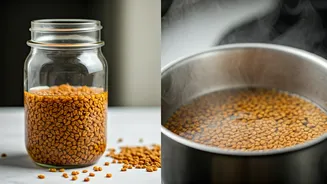
When fenugreek seeds are submerged in water overnight, they gradually release their beneficial nutrients into the liquid, creating a beverage that is both light and remarkably easy for the body to digest. This gentle preparation method is often associated with improved digestive function, a potential reduction in stomach acidity, and a boost to the body's metabolic rate. These effects can be particularly advantageous for individuals who are actively pursuing weight management strategies. The simplicity of preparing soaked fenugreek water makes it a convenient option for daily consumption, and it is generally considered safe for regular intake. Its milder nature ensures it is well-tolerated by most individuals, making it a sustainable part of a daily wellness routine without causing digestive discomfort or being too overpowering in taste.
Boiled Methi Water Advantages
Boiling fenugreek seeds is a method that effectively extracts a greater concentration of their active compounds, resulting in a more potent infusion. This concentrated drink is frequently recommended for its detoxifying properties and its potential to support the management of several health issues. It is often cited for its efficacy in alleviating symptoms associated with the common cold and cough, reducing bodily inflammation, and contributing positively to cholesterol levels and overall heart health. However, it's important to note that boiled methi water possesses a more pronounced and often bitter flavor profile. This intensity might not be palatable for everyone, especially if daily consumption is intended. The increased potency means it may be better suited for targeted, short-term therapeutic use rather than as a consistent, everyday beverage for all individuals.
Nutritional Nuances
The fundamental difference in preparation leads to distinct nutritional profiles in the resulting fenugreek water. Soaked fenugreek water is preserved with its natural enzymes intact, which contributes to its gentle impact on the digestive system. This preservation makes it an excellent choice for those with sensitive stomachs or who prefer a milder approach to incorporating fenugreek into their diet. Conversely, the boiling process excels at extracting a higher quantity of antioxidants from the seeds. However, this high-heat method may lead to the degradation of certain heat-sensitive micronutrients, potentially reducing their bioavailability. While both methods offer valuable compounds, the soaked version prioritizes enzymatic activity and gentleness, whereas boiling maximizes antioxidant content at the potential cost of some delicate nutrients.
Choosing Your Method
The decision between preparing fenugreek water by soaking or boiling largely depends on your specific health objectives and how frequently you intend to consume it. For consistent, everyday wellness practices and maintaining a daily routine, the soaked method is generally the superior choice. Its ease of preparation and gentle nature make it ideal for long-term adherence. On the other hand, if you are addressing specific, acute concerns such as managing symptoms of a cold, supporting a short-term detoxification process, or seeking a more potent anti-inflammatory effect, boiled fenugreek water might offer greater benefits. Both methods can be supportive for individuals managing diabetes by helping to regulate blood sugar, but the simplicity and regularity of the soaked method often make it more practical for a sustained dietary habit.
Important Precautions
Regardless of the preparation method chosen, it is crucial to exercise moderation. It is advisable to limit your intake to one small glass per day to avoid any potential adverse effects. Individuals who experience naturally low blood sugar levels or are pregnant should seek guidance from a qualified healthcare professional before incorporating fenugreek water into their diet. Always ensure you are using fresh fenugreek seeds for optimal benefits. For enhanced absorption and a more pleasant drinking experience, consuming the water lukewarm is recommended. Please remember that this information is strictly for educational purposes and does not substitute professional medical advice. Always consult with a healthcare expert before making any significant changes to your diet or health regimen.