





Grains for Goodness
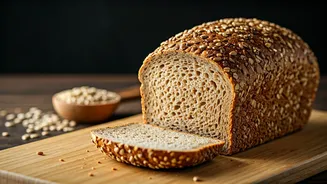
Transitioning away from refined flour, often known as 'maida,' can pave the way for a healthier digestive system and more sustained energy. Opting for whole
grain alternatives such as whole wheat flour (atta), nutrient-dense millets, or wholesome oats provides a richer source of dietary fibre. This fibre plays a crucial role in promoting smoother digestion, preventing sharp spikes and subsequent crashes in blood sugar levels, and contributing to a feeling of fullness that can aid in weight management. Incorporating these fibre-rich grains into your mother's daily meals supports her metabolic functions and contributes to better overall well-being as she navigates through her day.
Snack Smart, Live Well
When hunger strikes between meals, ditching the usual deep-fried snacks for healthier options can make a substantial difference. Consider alternatives like roasted chickpeas (chana) or puffed fox nuts (makhana), which offer a satisfying crunch with a wealth of nutritional benefits. These snacks are typically packed with fibre, which aids digestion and promotes satiety, and also contain beneficial antioxidants that combat cellular damage. Furthermore, they often provide healthy fats that are crucial for cardiovascular health. Swapping out processed, fried items for these wholesome choices contributes positively to both heart and gut health, offering sustained energy without the downsides of unhealthy fats and excess calories.
Protein for Power
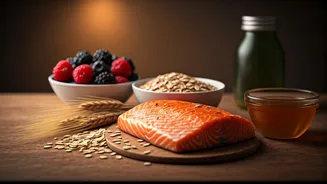
As we advance in age, maintaining muscle mass becomes increasingly vital to prevent age-related frailty and ensure efficient bodily functions. Protein is the cornerstone of muscle health, and ensuring an adequate intake is paramount. Incorporating protein-rich foods into your mother's diet regularly can significantly contribute to her strength and recovery capabilities. Excellent sources include paneer (Indian cottage cheese), creamy curd (yogurt), nutritious lentils, and versatile eggs. These foods provide the essential amino acids necessary for muscle repair and growth, helping to maintain physical resilience and overall vitality.
Sweetness with Smarts
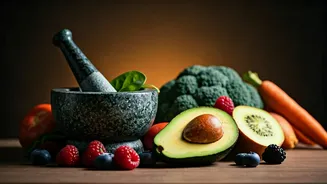
Managing sugar intake is a key aspect of reducing inflammation and promoting overall health. Instead of reaching for processed sugary treats, consider naturally sweet and nutrient-dense options. Whole fruits offer natural sugars along with essential vitamins, minerals, and fibre. A small handful of nuts provides healthy fats and protein, offering a satisfying and nourishing alternative. For those craving something a bit richer, a small portion of dark chocolate, known for its antioxidant properties, can be a good choice. When sweetness is truly desired in cooking or beverages, moderating the use of natural sweeteners like dates or jaggery can help reduce the inflammatory impact associated with refined white sugar.
Hydration and Gut
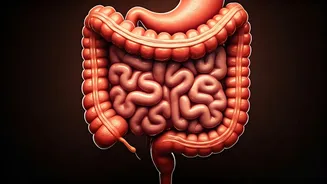
Optimizing digestive health and ensuring adequate hydration are fundamental for overall well-being. Incorporating probiotic-rich foods such as curd and buttermilk into the daily diet can significantly enhance gut flora, leading to improved digestion and nutrient absorption. Complementing these with fibre-rich foods further supports a healthy digestive system. For hydration, steer clear of sugary beverages and instead encourage the consumption of water, coconut water, or water infused with fruits and herbs. These hydrating options provide essential electrolytes and moisture without the added sugar, contributing to better bodily functions and a healthier lifestyle.