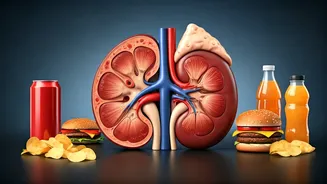

Kidney Health Matters
Kidney health is a crucial element of overall well-being, responsible for filtering waste and toxins from the blood. The choices we make daily, particularly
regarding our diet, significantly impact the functionality and longevity of our kidneys. Understanding which foods and beverages can burden these vital organs and which can support them can make a substantial difference in our health. This nutritionist’s personal choices provide a valuable framework for understanding how to prioritize kidney wellness through the foods we consume.
High Sodium Foods
The first category of foods the nutritionist avoids is high in sodium. Excessive sodium intake is known to elevate blood pressure, putting a strain on the kidneys. Processed foods, fast foods, and many packaged snacks often contain high levels of sodium, sometimes added to enhance flavor and shelf life. Minimizing the consumption of these items and opting for fresh, homemade meals can significantly reduce sodium intake. This proactive approach helps to decrease the workload on the kidneys and prevent potential kidney damage over time.
Processed Meats
Processed meats are frequently on the nutritionist's no-go list, due to their high sodium and preservative content. Meats like bacon, sausages, and deli slices often contain significant amounts of sodium and other additives that can negatively impact kidney function. These foods can cause inflammation and increase blood pressure, further contributing to kidney stress. The consumption of processed meats also carries a higher risk of other health issues, making their restriction a key component of a kidney-friendly diet. Choosing lean, unprocessed protein sources is an important step toward better kidney health.
Sugary Beverages
Sugary beverages also feature prominently in the list of items to avoid. Sodas, sweetened juices, and energy drinks are loaded with added sugars, which can lead to weight gain and increase the risk of diabetes, a major contributor to kidney disease. Excess sugar intake can damage the kidneys, making them less efficient at filtering waste. The nutritionist advocates for swapping these drinks for water, unsweetened teas, or other hydrating options to help protect kidney health. This switch is simple and offers substantial benefits in the long run.
Excessive Protein
While protein is essential for overall health, the nutritionist advises caution when it comes to excessive protein consumption, particularly from animal sources. Eating too much protein can increase the workload on the kidneys, as they need to work harder to filter out protein waste products. A balanced approach to protein intake, incorporating both plant and animal sources in moderation, helps to avoid overburdening the kidneys. This mindful approach to protein consumption is vital for maintaining kidney health and preventing unnecessary strain on these vital organs.
Artificial Sweeteners
Artificial sweeteners are another area of concern for the nutritionist. While often marketed as a healthier alternative to sugar, some studies suggest that artificial sweeteners may have adverse effects on kidney function. These sweeteners can potentially alter the gut microbiome and cause inflammation, possibly contributing to kidney issues. The nutritionist prioritizes natural sweeteners in moderation or avoids sweeteners altogether to protect her kidney health. This proactive choice underscores the importance of being informed about the potential health implications of food additives.
Alcoholic Drinks
Finally, the nutritionist limits or avoids alcoholic beverages. Excessive alcohol consumption is detrimental to overall health, including kidney function. Alcohol can dehydrate the body and interfere with the kidneys' ability to regulate fluid balance, potentially leading to kidney damage. Limiting alcohol intake or abstaining altogether allows the kidneys to function optimally and reduce the risk of kidney disease. This lifestyle choice highlights the importance of moderation and mindful consumption when it comes to alcohol to support kidney health.