





NCR Air Quality Crisis
The NCR region grapples with some of the most polluted air globally. The concentration of particulate matter (PM2.5) and other harmful pollutants consistently
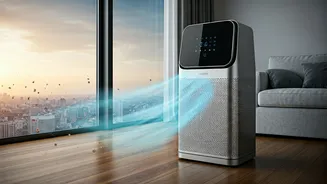
exceeds safe levels. This poor air quality stems from a combination of factors, including vehicular emissions, industrial activities, seasonal stubble burning, and geographical influences. The result is a significant health burden, with respiratory illnesses and other health issues being widespread. Considering the hazardous environment, the need for effective solutions, such as air purifiers, becomes crucial to protect inhabitants from air pollution-related health risks, especially in regions like Delhi-NCR, where air quality frequently deteriorates during certain times of the year.
Purifier Functionality Explained
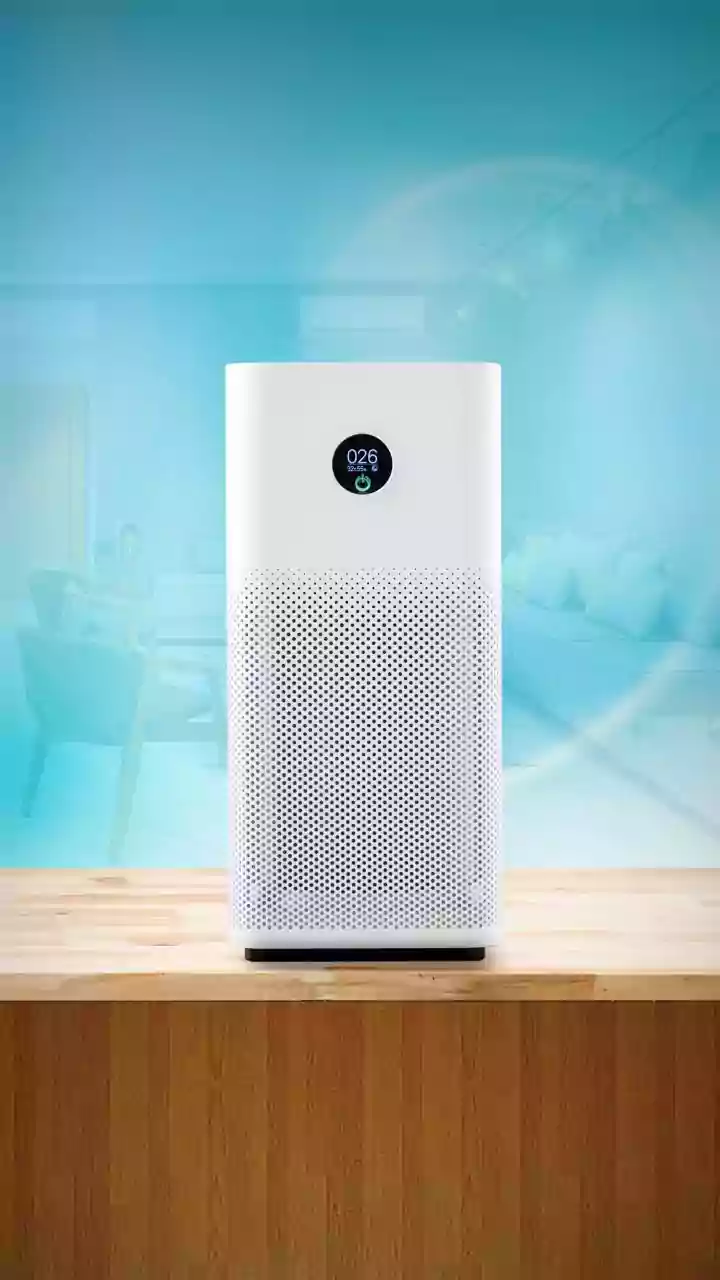
Air purifiers work by drawing in air and passing it through a series of filters. The most common type of filter is the High-Efficiency Particulate Air (HEPA) filter, which captures microscopic particles like dust, pollen, and smoke. Some purifiers also include activated carbon filters to remove odors and volatile organic compounds (VOCs). The pre-filter traps larger particles, extending the lifespan of the other filters. Different air purifiers use varied combinations of filters to address different types of pollutants. However, the efficiency of an air purifier depends on several factors, including the size of the room, the quality of the filters, and the Clean Air Delivery Rate (CADR).
Placebo Effect and Reality
The 'placebo effect' can play a role in how we perceive the benefits of air purifiers. Simply owning and operating a device can bring a sense of comfort and control, which can indirectly improve well-being. However, the actual effectiveness of an air purifier lies in its ability to physically remove pollutants from the air. In a place like NCR, where air pollution is pervasive, a purifier’s impact is measurable. While some may view an air purifier as a luxury, especially at a price point of Rs 13,499, for many, it's a practical necessity to mitigate the harmful effects of the air and create a cleaner living environment.
Factors to Consider
When selecting an air purifier, several factors should be considered. The first is the size of the room. Purifiers are rated according to the room size they can effectively clean, indicated by the CADR. The higher the CADR, the faster the purifier can clean the air. Filter quality and type are crucial; HEPA filters are essential for removing particulate matter, while activated carbon filters are useful for VOCs. Maintenance is also important; filters need to be replaced periodically, which can add to the overall cost. Finally, consider features like noise level, energy consumption, and smart features (like air quality monitoring) that may enhance the user experience.
Maximizing Purifier Efficiency
To get the most out of an air purifier, proper placement and usage are essential. The purifier should be placed in a central location, not too close to walls or furniture, to allow for optimal air circulation. Regularly close windows and doors, especially during periods of high pollution, to prevent outside pollutants from entering the space. Filters need regular replacement, based on manufacturer recommendations, to maintain effectiveness. Other strategies include cleaning and dusting the room regularly to minimize dust and allergens. Also, combine air purifiers with other air quality improvements, such as improved ventilation and the avoidance of activities that generate indoor air pollutants, to achieve the best results.
Realistic Expectations
It is important to have realistic expectations. Air purifiers are not a complete solution. They can't eliminate all pollutants, and their effectiveness is limited by the air quality in the surrounding environment. While an air purifier can significantly reduce indoor pollutants, it is not a substitute for outdoor air quality improvements or changes in lifestyle that reduce exposure to pollutants. Furthermore, air purifiers don't address other indoor air quality concerns, such as humidity or carbon dioxide levels. A comprehensive approach, combining air purification with other strategies, will yield the best health benefits.