


Cosmic Dust Trail
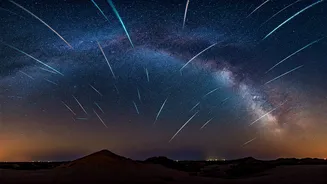
Each year, Earth passes through a trail of cosmic dust and debris left behind by the famous Halley's Comet. As our planet hurtles through this celestial
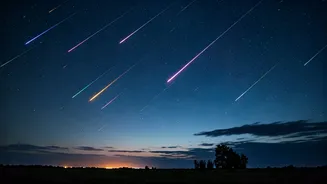
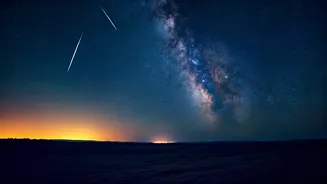
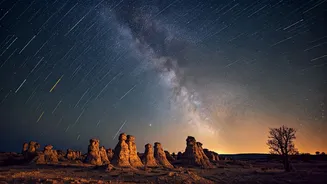
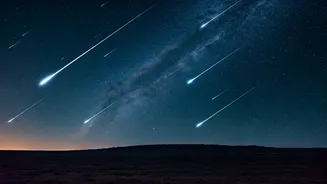
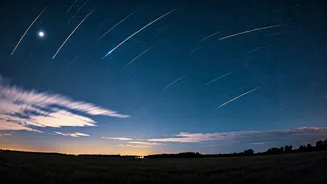
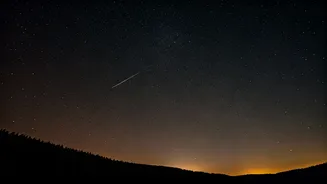
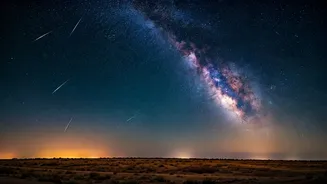
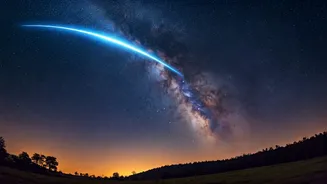
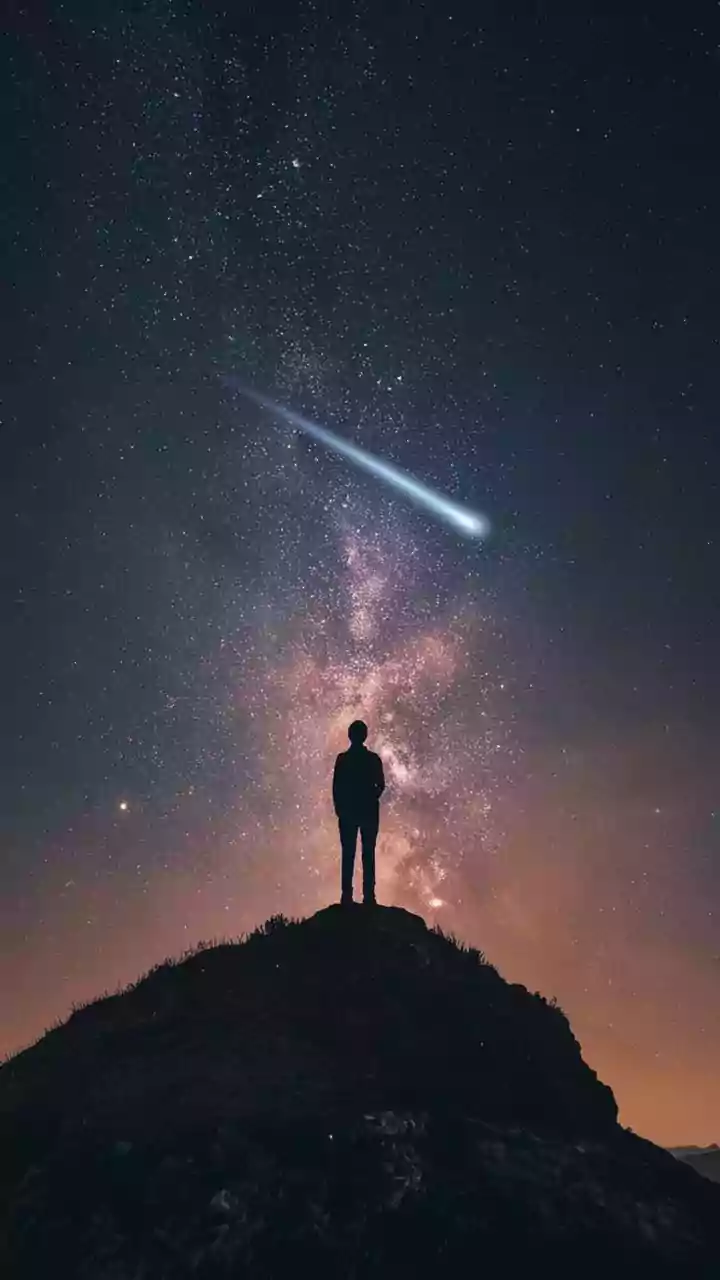
stream, tiny particles from the comet enter our atmosphere at incredibly high speeds. This friction causes them to burn up, creating the brilliant, fleeting streaks of light we recognize as meteors or 'shooting stars'. The Eta Aquarid meteor shower is particularly renowned for the speed and visual impact of these fiery displays, making it one of the year's most spectacular celestial events. Although more intensely visible in the southern hemisphere, skygazers in India can still anticipate a memorable show.
India Viewing Guide
For enthusiasts in India, the prime window to witness the Eta Aquarid meteor shower unfolds during the early morning hours of May 6th. The peak viewing time is precisely between 3:00 AM and 5:00 AM Indian Standard Time, just before the sun begins to rise. This timing is optimal because the radiant point of the meteor shower, which is the area in the sky from which the meteors appear to emanate, ascends higher in the sky. As the radiant climbs, the frequency of visible meteors tends to increase, offering a greater chance for sightings. If local weather conditions obscure your view, free online live streams from observatories worldwide provide an alternative way to enjoy the spectacle from the comfort of your home.
What to Expect
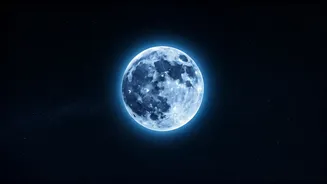
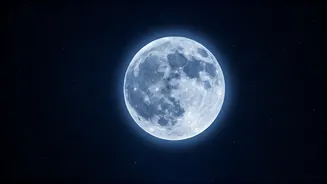
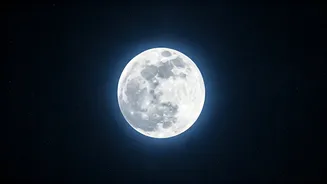
Under perfect conditions, skywatchers in India might observe between 10 to 30 meteors per hour during the Eta Aquarid shower's peak. However, this year's viewing experience could be somewhat subdued due to the presence of a bright, waning gibbous moon. The moonlight might outshine some of the fainter meteors, potentially reducing the actual observed count to fewer than 10 per hour in many locations. Despite this, the Eta Aquarids are celebrated for their impressive speed and the vivid trails they leave behind. The meteors you do catch are likely to be bright and particularly memorable. To maximize your chances, direct your gaze towards the eastern horizon before dawn. While the meteors seem to originate from the constellation Aquarius, it’s often better to look at a darker patch of sky roughly 30 to 40 degrees away from it. This vantage point allows you to see the meteors' streaks for a longer duration as they traverse the sky.