
Automotive Industry Advancements
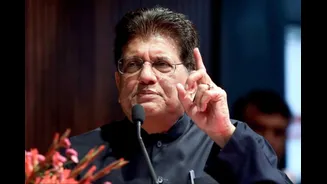
The Union Minister of Heavy Industries and Steel, H. D. Kumaraswamy, inaugurated the 19th edition of the Symposium on International Automotive Technology
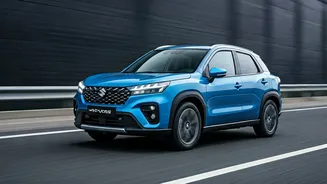
(SIAT 2026), a biennial event organized by The Automotive Research Association of India (ARAI) at the Pune International Exhibition and Convention Centre (PIECC), Moshi. Kumaraswamy highlighted that vehicle production increased from 28.4 million units in FY 2023-24 to 31 million units in FY 2024-25, while exports rose from 4.5 million units to 5.36 million units during the same period. He also mentioned that India is now the world’s largest producer of three‑wheelers, among the top two in two‑wheelers, top four in passenger vehicles, and top five in commercial vehicles, with record vehicle exports in 2025. This showcases India's rising global stature in the automotive sector, driven by government efforts to promote a clean, competitive, and sustainable automotive industry, thereby strengthening advanced manufacturing sectors that will define India’s future growth and global standing.
EV Initiatives and Schemes
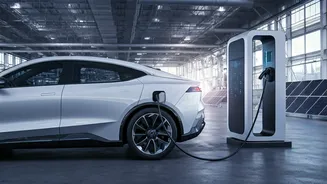
The government is significantly supporting the adoption of electric vehicles through various schemes. Under the PM E-DRIVE scheme, ₹2,000 crore has been earmarked for establishing over 70,000 charging stations nationwide, reinforcing EV adoption. Furthermore, the PM E-DRIVE scheme, with an outlay of ₹10,900 crore, has strengthened EV adoption through demand incentives and expanded charging infrastructure. The FAME-II scheme, with an outlay of ₹11,500 crore, has supported the adoption of over 16.71 lakh electric vehicles and enabled the sanctioning of more than 9,000 public charging stations across the country. Kumaraswamy also pointed out the PLI-ACC scheme, stating the goal to establish 50 GWh of Advanced Chemistry Cell battery manufacturing capacity in India. He also referred to the recently approved Rare Earth Permanent Magnet (REPM) scheme, with a budgetary outlay of ₹7,280 crore, aimed at promoting indigenous manufacturing of critical components for electric vehicles, wind turbines, defense systems, and electronics.
Focus on Sustainability
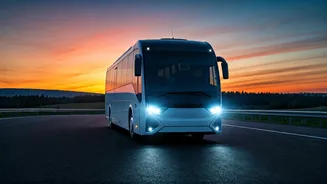
A significant emphasis is placed on the electrification of the commercial vehicle segment to address environmental concerns, as these vehicles contribute to over 40% of transport-related pollution. The government's initiatives are geared towards establishing a clean and sustainable automotive sector. The focus on 'Make in India' and 'Aatmanirbhar Bharat' is further bolstering the advanced manufacturing sectors, which are vital for India's future growth and global standing. The Production Linked Incentive (PLI) Auto scheme, with an outlay of ₹25,938 crore, is promoting domestic value addition and enhancing global competitiveness within the automotive sector. This commitment reflects a strategic effort to balance economic growth with environmental responsibility.