






Understanding Blood Pressure
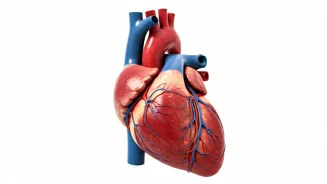
Before delving into the exercises, it's crucial to understand the role of blood pressure. Elevated blood pressure, often referred to as hypertension, is a prevalent
health concern, increasing the risk of heart disease, stroke, and kidney problems. Regular exercise has been shown to be a potent tool in managing this condition. It helps by strengthening the heart, improving blood vessel elasticity, and reducing stress, all of which contribute to lower blood pressure readings. The exercises discussed are designed to complement a healthy lifestyle, which includes a balanced diet and stress management techniques. Focusing on the importance of consistent physical activity is key. These exercises provide various pathways to cardiovascular improvement, providing readers with options suitable for different fitness levels and preferences. Incorporating these practices can lead to considerable improvements in blood pressure management.
Brisk Walking Advantage
Walking, an accessible and effective exercise, holds significant benefits in managing blood pressure. Regular brisk walking helps to strengthen the heart, improving its efficiency in pumping blood. This enhancement reduces the force exerted on the artery walls, thus lowering blood pressure. Walking is also a great stress reliever, contributing to overall cardiovascular health. Aim for at least 30 minutes of brisk walking most days of the week. Varying the intensity and duration can boost its effectiveness. It is important to listen to your body and gradually increase the pace and distance as fitness improves. Walking allows for easy integration into daily routines, offering an opportunity for consistent cardiovascular benefits. Adding inclines or varied terrains can make the workout more challenging.
Cycling: Gentle Impact
Cycling presents a low-impact, yet highly effective option for controlling blood pressure. It is easier on the joints compared to high-impact exercises, making it suitable for individuals of all fitness levels. Cycling strengthens the heart and improves cardiovascular fitness by promoting the release of nitric oxide, which helps relax blood vessels and lower blood pressure. Whether it is on a stationary bike or outdoors, cycling can be adjusted to suit different fitness levels. Gradually increasing resistance and duration enhances the benefits. The consistent, rhythmic movement of cycling aids in reducing stress levels. Regular cycling contributes to overall well-being by improving both physical and mental health. This makes cycling an enjoyable and sustainable exercise choice.
Swimming: Full Body
Swimming is an excellent full-body workout that benefits cardiovascular health while minimizing the impact on joints. The buoyancy of water reduces stress on the body, making it ideal for those with joint issues or those seeking a gentle exercise. Swimming improves blood circulation, strengthens the heart, and reduces blood pressure by the consistent movement against water resistance. Various strokes like freestyle, backstroke, or breaststroke can be used to tailor the workout to personal preferences and fitness goals. Regularly swimming for 30 minutes, multiple times a week, provides significant cardiovascular advantages. This exercise combines physical exertion with a relaxing environment. This combination makes it an enjoyable and effective way to manage blood pressure while promoting overall health and fitness.
Strength Training Benefits
Strength training is another pivotal exercise that contributes to blood pressure management. Lifting weights or engaging in resistance exercises helps improve the heart's efficiency and strengthens muscles, both of which affect blood pressure. Regularly performing strength training exercises boosts metabolism, which helps maintain a healthy weight. A healthy weight is directly linked to reduced blood pressure. It is important to use proper form to avoid injury, start with lighter weights, and gradually increase the resistance as your strength improves. The combination of strength training with cardiovascular exercises offers a comprehensive approach to managing hypertension. Engaging in strength training also builds bone density and boosts overall metabolism, promoting a more active and healthier lifestyle.
Yoga: Calm and Controlled
Yoga promotes relaxation and stress reduction, key factors in managing blood pressure. Specific yoga poses and breathing exercises, such as deep diaphragmatic breathing, can help to lower blood pressure levels. Yoga's focus on mindful movement and relaxation reduces the impact of stress hormones on the cardiovascular system. Incorporating yoga into a regular routine not only helps in controlling blood pressure but also enhances flexibility, balance, and mental well-being. Consistent practice of yoga encourages a calmer state of mind, contributing to overall health. Regular yoga practice also helps in maintaining the body's natural balance and promotes a sense of well-being, supporting overall cardiovascular health. This makes yoga an excellent choice for those aiming to control blood pressure and enhance their quality of life.
Dancing: Heart-Healthy Fun
Dancing combines physical activity with enjoyment, offering a fun way to lower blood pressure. Dancing provides cardiovascular benefits through rhythmic movements that enhance heart health and improve blood circulation. It reduces stress, which is a major factor in blood pressure fluctuations. Various dance styles, such as salsa, Zumba, or even ballroom dancing, can be adapted to suit different fitness levels and preferences. Regular dancing can be an enjoyable way to achieve a healthy heart. It's a social activity that encourages physical activity and helps reduce stress, making it an excellent tool for managing blood pressure and improving overall fitness. This approach makes exercise a sustainable part of daily life, leading to lasting benefits for cardiovascular health.