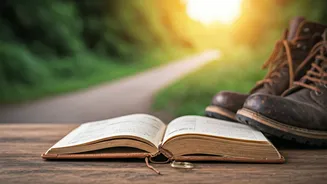






Planning Your Trip
Effective travel starts with solid planning. Before you even think about packing, consider your budget. How much are you willing to spend on flights, accommodation,
food, and activities? Create a realistic budget to avoid overspending and financial stress during your trip. Next, determine your destination. Research different locations, considering factors like weather, local culture, and personal interests. Look at travel blogs, guidebooks, and online forums to gather information about potential places you'd like to visit. Once you've chosen your destination, book flights and accommodations in advance, especially during peak travel seasons. This helps secure better prices and availability. Also, make copies of your essential documents, such as your passport, visa, and travel insurance details. Keep these copies separate from the originals in case of theft or loss. Make sure to inform your bank and credit card companies about your travel dates to avoid any issues with card usage while abroad. Plan your itinerary, including must-see attractions and potential day trips. Always remain flexible, as unexpected events can disrupt your plans. Finally, pack wisely, bringing only essential items. Pack versatile clothing suitable for various weather conditions and activities. Don't forget any necessary medications and personal care items. By taking these steps, you can start the process of planning a trip, which should minimize the stress and increase the enjoyment of your travel experience. Planning well beforehand can help a lot in getting a head start on your journey.
Choosing Destinations Wisely
Selecting a travel destination often involves a mix of factors, including personal interests, budget constraints, and time availability. If you are passionate about history and culture, destinations such as Rome, Athens, or Kyoto may be ideal. These cities boast rich histories, architectural marvels, and cultural experiences. For those seeking adventure, consider destinations like the Himalayas, the Amazon rainforest, or the coast of California. Destinations like these offer opportunities for outdoor activities like trekking, hiking, and exploring unique natural environments. Budget is another important factor when deciding where to travel. If you have a restricted budget, countries in Southeast Asia like Thailand, Vietnam, and Indonesia provide excellent value, with affordable accommodation, food, and activities. Researching the local customs and etiquette is key to making the most of your trips. Always show respect for local cultures. Learning a few basic phrases in the local language can significantly enhance your interactions with the locals and enrich your experience. For family travel, consider places with kid-friendly attractions, parks, and safe environments. Destinations like Orlando, Florida, or various national parks offer abundant family-friendly activities. Researching reviews from other travelers can help you in the planning phase. These reviews often provide valuable insights into the travel experiences, safety, local attractions, and the best times to visit various destinations. Make informed decisions based on these reviews, considering both positive and negative comments. Careful planning, informed decisions, and respectful interactions can help you create unforgettable travel experiences, making the most of every adventure.
Packing Essentials
Packing efficiently is essential for comfortable travel. Begin by creating a packing list of everything you might need. Start with clothing, including versatile items like t-shirts, jeans, and a jacket. Also, consider the weather conditions of your destination, and pack accordingly. Include layers to adapt to fluctuating temperatures. Don't forget essential accessories such as hats, sunglasses, and a scarf. Next, include your essential travel documents such as your passport, visa, and any necessary travel insurance. Make copies of these documents and store them separately. Pack any necessary medications and a basic first-aid kit, including band-aids, pain relievers, and any personal prescriptions. Include personal care items such as toiletries, sunscreen, and insect repellent. For electronics, ensure to pack your phone, camera, and any other devices, along with the necessary chargers and adapters. Consider packing a universal adapter if your destination has different plug types. Lastly, remember to pack some entertainment for long journeys, such as a book, a tablet with downloaded movies, or music. Pack light to avoid checked baggage fees and the hassle of carrying around heavy bags. Roll your clothes instead of folding them to save space, and consider using packing cubes to organize your belongings. By preparing a well-organized packing list and packing efficiently, you can significantly streamline your travel experience, ensuring that you're well-prepared for any adventure.
Embracing Local Culture
Immersing yourself in the local culture significantly enhances the travel experience. Before your trip, learn about the customs, traditions, and etiquette of your destination. This shows respect for the local culture. Once you arrive, try to interact with locals. Ask for recommendations, practice a few basic phrases in their language, and be open to engaging in conversations. This allows you to learn about their daily lives and personal perspectives. Try local cuisine. Eating at local restaurants, trying street food, and attending cooking classes offer genuine insights into the culinary traditions of a region. It's often the most accessible way of experiencing the culture. Visit local markets, festivals, and cultural events. These settings offer a chance to witness local art, crafts, music, and social gatherings. Respect local customs by dressing appropriately, especially when visiting religious sites. Be mindful of public behavior and avoid actions that might be considered offensive. Be open-minded and willing to try new things. Embrace the unexpected, and allow yourself to be flexible and adaptable. By embracing the local culture, you'll gain a deeper appreciation for the destination. These connections make the travel experience rich and memorable.
Travel Safety Tips
Ensuring safety is crucial for a smooth and enjoyable travel experience. Before your trip, research the safety guidelines of your destination. Check travel advisories, and be aware of any potential risks. Make copies of important documents, such as your passport and visa. Keep these copies separate from the originals in case of loss or theft. Share your itinerary with friends or family members, informing them of your plans and providing contact information. During your trip, always be aware of your surroundings, especially in crowded areas. Secure your belongings and avoid displaying expensive jewelry or gadgets. Avoid walking alone at night in unfamiliar areas. If you are using public transportation, be mindful of pickpockets and keep your valuables secure. Use reliable transportation services like taxis or ride-sharing apps. Consider purchasing travel insurance, which will cover medical emergencies, trip cancellations, and lost or stolen belongings. It offers peace of mind. Know the local emergency numbers, and have them saved on your phone. Stay connected by keeping your phone charged and easily accessible. By taking these precautions and being vigilant, you can significantly reduce risks. This ensures you have a safe and memorable trip, allowing you to enjoy your travels with peace of mind.