






A Safer, Shorter Route
The long-awaited 'missing link' on the Mumbai-Pune Expressway is poised to dramatically improve the commuting experience between these two major Maharashtra
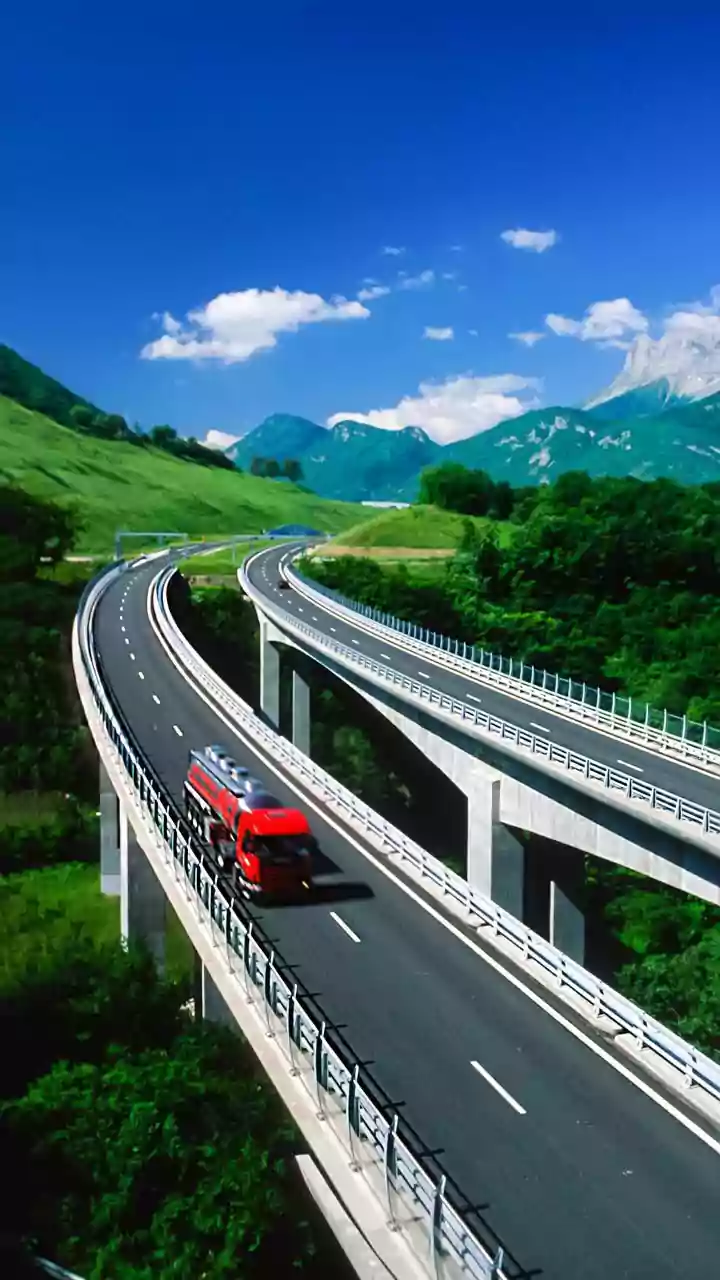
cities. Spanning 13.3 kilometers, this crucial addition bypasses the treacherous and winding Bhor Ghat section, a notorious stretch responsible for numerous accidents and significant traffic delays. By connecting Khopoli on the Mumbai side directly to Kusgaon near Lonavala, the new alignment offers a fully access-controlled route, effectively eliminating sharp curves and accident-prone areas. This strategic bypass is expected to reduce travel distance by approximately 6 kilometers and shave off an impressive 20 to 30 minutes from the typical journey time. The project, developed by the Maharashtra State Road Development Corporation (MSRDC), represents a substantial investment of Rs 6,700 crore in enhancing the state's transportation infrastructure and ensuring greater commuter safety.
Engineering Marvels Unveiled
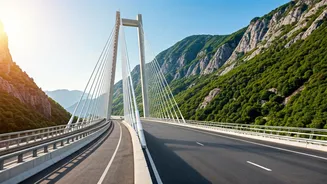
This ambitious project is not just about a shorter route; it's a showcase of cutting-edge engineering. The 'missing link' incorporates two extensive eight-lane tunnels, measuring 1.75 km and 8.92 km respectively, noted for their impressive width of 23.75 meters, potentially earning them a spot in the Guinness Book of Records as some of the widest road tunnels globally. Complementing these tunnels are two substantial viaducts, 850 meters and 650 meters in length. The latter forms the crown jewel: India's tallest road cable-stayed bridge, standing at a towering 182 meters – surpassing even the pylons of the Bandra-Worli Sea Link. Erecting these structures in the Sahyadri region presented formidable challenges, including navigating narrow ridges, enduring winds up to 100 kmph, and contending with dense fog, yet the successful completion highlights remarkable engineering prowess and resilience.
Enhanced Connectivity & Benefits
The inauguration of the 'missing link' signifies more than just an improved commute; it's a catalyst for broader regional development. Initially, only light motor vehicles and buses will be permitted on this new stretch to manage traffic flow and maintain safety, with heavy goods vehicles being prohibited for now. Importantly, commuters will not face any toll hikes due to this new addition. Beyond immediate travel conveniences, the improved connectivity is projected to significantly boost local tourism by making destinations like Lohagad Fort, Visapur Fort, and Karla Caves more accessible. Furthermore, the faster and more reliable movement of people and goods is expected to provide a substantial impetus to economic activities, trade, and the logistics sector, contributing significantly to Maharashtra's overall growth and development narrative.