




Bedding Basics
When it comes to ensuring a restful night's sleep, the quality of your bedding is paramount. Thrifting experts consistently advise against purchasing used
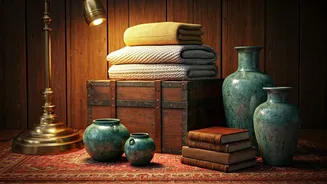
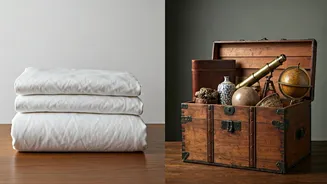
sheets and duvet covers. Over time, these fabric items can degrade, impacting comfort and hygiene. Opting for new bedding allows for precise control over the material, thread count, and the ethical standards of its production. However, a well-maintained quilt or a vintage afghan blanket, especially if thoroughly cleaned, can be a fantastic and characterful addition to your bedroom decor, offering warmth without compromising on hygiene.
Pillows & Mattresses
Following the same logic as bedding, mattresses and pillows are generally considered off-limits for thrifting due to significant hygiene concerns. The risk of unseen allergens, dust mites, or lingering odors makes these soft furnishings a gamble. While some enthusiasts might consider pillows or blankets if they are in impeccable condition with no signs of wear, staining, or smell, often the preference is for new items. This ensures a fresh start and the highest standards of comfort and cleanliness. Occasionally, a unique pattern on a blanket might inspire a purchase for repurposing into craft projects, rather than for direct use.
Budget-Conscious Buys
Navigating thrift stores requires a keen eye and a disciplined approach to avoid overspending on impulse purchases. It's advisable to compare prices across various establishments, both secondhand and retail, to secure the best deal. Establishing clear spending limits is crucial to maintain the enjoyment and sustainability of thrifting. The allure of a bargain can sometimes lead to acquiring items that remain unused or are relegated to future DIY projects indefinitely. A thorough inspection of any potential purchase, checking for damage, odors, or missing components, is essential before committing. If an item doesn't immediately feel like the right decision, it's often best to leave it behind.
Kitchenware Cautions
Within the home decor section of thrift stores, certain kitchen items warrant a second thought, particularly nonstick cookware. The history of use for secondhand nonstick pots and pans is often unknown, and subtle damage or scratches can be hard to detect. Such imperfections can lead to the leaching of chemicals, posing a potential health risk. For alternative metal cookware, experts suggest looking for stainless steel, cast iron, or enamel pieces, which can be excellent thrift finds. However, even with these, some prefer to purchase new stainless steel or well-maintained cast iron to guarantee their cooking experience is not compromised by aged or chemically treated surfaces.
Everyday Ceramics
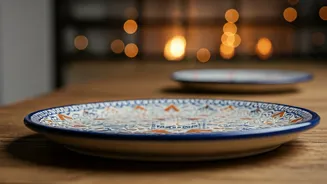
While vintage ceramics and glassware can be aesthetically appealing, there's a significant concern regarding lead content in items produced before the 1970s. Lead was commonly used in glass, paints, and glazes during that era. Although lead-testing kits are available, the safest approach is to avoid these older pieces for daily use. Modern manufacturers with transparent practices offer safer alternatives for everyday dishes. Vintage plates or decorative glassware can still be enjoyed for special occasions or as ornamental pieces, adding a touch of history to your display.
Cutting Board Care
Similar to nonstick cookware, cutting boards are subject to considerable wear and tear, accumulating scratches and losing their protective coatings over time. This damage can create breeding grounds for germs, regardless of the material—be it wood or plastic. If a cutting board possesses a unique aesthetic appeal, it's often better to repurpose it as a decorative item for display cabinets or as a piece of wall art, rather than using it for food preparation. This approach allows you to appreciate its visual qualities without the associated hygiene risks.
Thrifted Home Finds
Beyond the items to approach with caution, thrift stores offer a treasure trove of well-chosen pieces that enhance a home's character and warmth without excessive cost. Seasoned thrifters often seek out durable, well-crafted furniture from eras known for quality construction, such as solid wood tables or sturdy bookshelves. Decorative baskets are another favorite, adding natural texture and warmth to various interior design styles. Vintage hardcover books can lend a unique, sophisticated touch to coffee tables, while neutral glass bottles, particularly in brown or olive green, are perfect for repurposing as soap dispensers or oil containers. Faux florals offer significant savings compared to fresh or new artificial options, allowing for creative seasonal arrangements.