







The Generational Divide
Modern consumers, influenced by their upbringing and digital immersion, interact with brands in distinctly different ways. This generational shift is profoundly
impacting how products are marketed, especially within the vibrant food industry. A noticeable chasm has emerged in promotional strategies targeting Millennials and Gen Z, extending beyond mere product preferences. While the younger demographic often favors brevity and understated messaging, the older Millennial group might lean towards more comprehensive presentations. This evolving landscape reflects a dynamic interplay between changing societal attitudes towards branding and the ever-evolving digital culture that shapes consumer behavior and engagement with food products.
Marketing Styles Compared
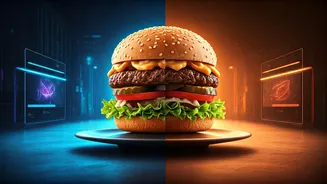
The current viral phenomenon sees numerous brands populating social media feeds with identical post structures that highlight contrasting marketing techniques attributed to Millennial and Gen Z teams. The 'Millennial' rendition typically features an elaborate product pitch, replete with detailed descriptions and meticulously polished imagery designed to persuade potential buyers. In stark contrast, the 'Gen Z' version opts for a minimalist approach, employing very little text, incorporating contemporary slang, and utilizing emojis to convey a feeling or 'vibe' rather than focusing on explicit product attributes. This trend has become a popular template for brands seeking to generate buzz and demonstrate their understanding of diverse audience communication preferences through relatable, humorous comparisons.
Brands Embrace the Trend
Popular food giants have swiftly capitalized on this engaging social media trend, creating content that juxtaposes how a product might be promoted by a 'Millennial' marketing team versus a 'Gen Z' one. For instance, a prominent fast-food chain utilized this format to reintroduce a popular mango-flavored frozen dessert. The Millennial-style description was a flowing narrative emphasizing its refreshing qualities, creamy texture, and perfect balance for warm weather. Conversely, the Gen Z version distilled the experience into a single, impactful statement: 'this healed me.' This playful approach has been adopted by a wide array of food and beverage companies, including coffee shop chains, soft drink brands, and ice cream parlors, all participating in the lighthearted commentary on generational marketing tactics and consumer perception.
Engagement Through Humor
What began as a humorous observation has blossomed into a sharp and insightful commentary on the diverse ways different generations approach content creation, consumption, and marketing. Millennial marketing strategies often involve extensive explanations, aiming to sell a product by detailing every appealing feature. Gen Z marketing, on the other hand, strategically communicates very little about the product itself, instead relying heavily on an intangible 'vibe,' cultural relevance, and the audience's inherent understanding of current slang and digital trends. This phenomenon underscores that neither approach is universally superior; rather, different communication styles resonate effectively with distinct audience segments, demonstrating a nuanced understanding of consumer psychology in the digital age.