






What Is Artemis II?
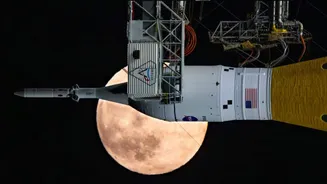
Artemis II marks a pivotal moment in NASA's ambitious Artemis program, serving as the first crewed mission of the program. Building upon the success of Artemis I,
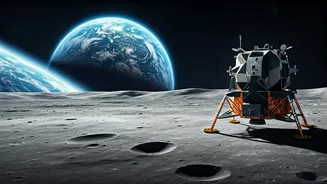
which was an uncrewed flight test, Artemis II will transport astronauts around the Moon. This mission is instrumental in validating the systems designed for lunar exploration, including the Space Launch System (SLS) rocket and the Orion spacecraft. Its successful execution paves the way for future missions to the lunar surface and potentially, ultimately, to Mars. The Artemis program aims to establish a sustainable human presence on the Moon, using the lunar environment as a testing ground for deep-space missions. Artemis II involves several key objectives. First, it will test the life support systems and other critical components necessary for human travel in deep space. Second, the mission aims to verify the performance of the Orion spacecraft during its lunar orbit. The crewed flight also offers an opportunity to gather crucial data on the effects of space travel on human health. With Artemis II, NASA aims to showcase its commitment to both international collaboration and long-term space exploration.
Launch Window Revealed
NASA has been diligently working on the preparations for the Artemis II launch, taking great care to ensure mission success. The launch windows, carefully calculated by engineers and mission planners, are crucial for achieving mission objectives, including reaching the Moon and returning safely to Earth. These windows are determined by a variety of factors such as the positions of Earth, the Moon, and other celestial bodies, as well as the alignment needed for a safe journey. The specific dates for Artemis II’s launch are subject to various conditions including the readiness of the hardware and any unforeseen circumstances. However, NASA officials have provided the public with anticipated timelines. These timelines indicate the general period within which the mission will be launched, giving stakeholders and space enthusiasts a better understanding of when to expect this significant event. As the launch date approaches, NASA continually evaluates the data from tests and simulations and adjusts the plans as needed. The ongoing preparations involve extensive testing of all systems involved, comprehensive crew training, and coordination with international partners to ensure everything runs smoothly. These preparations represent a significant, collaborative effort to bring Artemis II to fruition.