
The Paradox Unveiled
India has made significant strides in achieving food security, meaning that enough food is produced to feed its population. However, this success masks
a concerning reality: the persistence of malnutrition. While many Indians consume their daily portions of dal-chawal (lentils and rice), a closer look reveals that these staples, along with wheat and pulses, often lack essential nutrients. This apparent contradiction highlights the need to understand why malnutrition continues to affect the population, even when food is available. The problem extends beyond simply having enough to eat; it is about ensuring that the food consumed provides adequate nourishment for a healthy life. Various reports and studies indicate that while hunger has reduced, deficiencies in essential vitamins and minerals remain a significant public health challenge in India.
Nutrient Deficiencies Explained
The nutritional inadequacy of commonly consumed foods like wheat, rice, and pulses is a significant contributing factor to malnutrition. These staples, which form the foundation of many Indian diets, are often deficient in key nutrients necessary for optimal health. This means even when people are eating sufficient quantities of food, they may still be lacking vital vitamins and minerals. The lack of these nutrients can lead to various health problems, including weakened immune systems, stunted growth in children, and increased susceptibility to diseases. Moreover, the problem isn't just about the food itself; it's also about how the food is prepared and consumed. Cooking methods and cultural practices can also affect the nutrient content of the meals. For example, overcooking vegetables can lead to the loss of vitamins, and a lack of variety in the diet can limit the intake of essential nutrients.
Soil Degradation's Impact
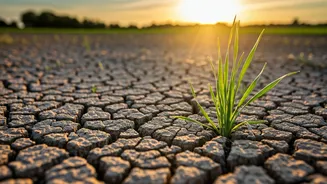
A critical, often overlooked aspect of the malnutrition problem is the state of India's soil health. Soil degradation, resulting from various factors like intensive farming practices, improper irrigation, and the overuse of chemical fertilizers, has a detrimental impact on crop quality. Healthy soil is rich in essential minerals and organic matter, which are absorbed by plants and, in turn, provide nutrients to humans when they consume these crops. When the soil is degraded, crops grown in it tend to be less nutritious. This means that even if people are eating what appears to be a balanced diet, the food may not be providing them with the necessary vitamins and minerals they need to remain healthy. The alarming state of India's soil, therefore, acts as a crucial link between food security and the hidden challenge of nutrition security, directly affecting the health and well-being of millions.
Moving Towards Solutions
Addressing malnutrition in India requires a multi-pronged approach. Firstly, there's a need to focus on improving the nutritional content of the staples that form the backbone of Indian diets. This can be achieved through initiatives that promote the cultivation of more nutrient-rich varieties of crops, as well as by diversifying diets to include a wider range of foods. Secondly, restoring the health of India’s soil is imperative. This involves implementing sustainable agricultural practices, such as organic farming, and reducing the overuse of chemical fertilizers. It also involves educating farmers about the importance of soil health and providing them with the resources they need to implement these changes. Additionally, improving access to nutritious foods, providing nutrition education, and addressing underlying social and economic factors are vital steps towards a healthier future.