




Khichdi's Comforting Embrace
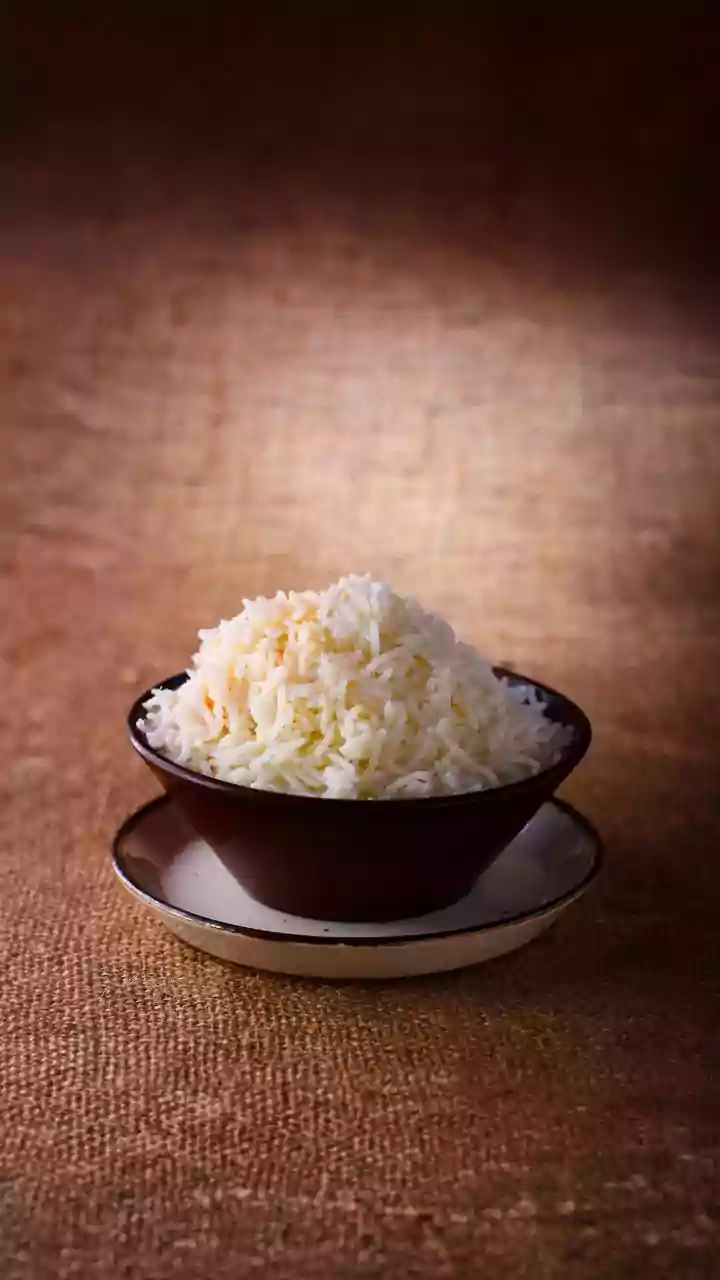
Khichdi, a comforting dish often made with rice and lentils, is a staple during Makar Sankranti. The version of Moong Dal Khichdi is often prepared at
home, symbolizing the season's bounty and representing a new beginning. Khichdi’s simplicity is its strength; it allows for versatile additions of vegetables and spices, making it both nourishing and customizable. The dish is believed to bring good health and prosperity, and its easy digestibility makes it suitable for all ages. Sharing warm khichdi with family and friends exemplifies the communal spirit of the festival, creating a sense of togetherness and celebration of the harvest.
Til Ladoo's Sweet Symbolism
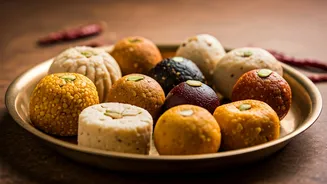
Til Ladoo, made with sesame seeds (til) and jaggery (gud), is a must-have sweet during Makar Sankranti. The sesame seeds represent warmth and the jaggery symbolizes sweetness and prosperity. These ladoos are not just a treat but a symbol of the sweetness people should maintain in their relationships. Their preparation varies from region to region, but the core ingredients and the symbolism remain constant. Making and sharing til ladoos is a common ritual, reflecting the festival's themes of unity and new beginnings. This simple yet flavorful sweet offers a delightful way to greet the new harvest season.
Undhiyu's Mixed Delights
Undhiyu, a mixed vegetable dish, is a popular culinary delight from Gujarat, especially during Makar Sankranti. Traditionally cooked upside down in earthen pots, undhiyu combines a medley of seasonal vegetables and spices. The unique cooking method gives the vegetables a distinctive flavor, while the blend of spices creates a rich and aromatic profile. Undhiyu is more than just a dish; it's a celebration of the harvest and the diverse flavors of the region. The preparation of undhiyu is often a family affair, enhancing the sense of community and festive togetherness. Eating this dish connects people to the land and the bounty of the season.
Puran Poli's Sweet Embrace
Puran Poli, a sweet flatbread stuffed with a sweet lentil filling, adds a touch of sweetness to Makar Sankranti festivities. The dish is particularly loved in Maharashtra and is prepared during special occasions to welcome the new season. The combination of sweet filling and the soft, flaky bread makes Puran Poli a comforting treat. The meticulous preparation of Puran Poli, from kneading the dough to preparing the filling, is a skill passed down through generations. Sharing Puran Poli during Makar Sankranti is a cherished tradition, symbolizing abundance and the sweetness of life during this harvest time.
Gujarati Kadhi’s Tang
Gujarati Kadhi, a yogurt-based curry, offers a soothing balance to the sweet treats of Makar Sankranti. The kadhi's tanginess comes from the yogurt base, which is tempered with spices like ginger, chilies, and curry leaves. It provides a refreshing contrast to the richness of other dishes. Gujarati kadhi is not only delicious but also easy to digest, making it a perfect addition to a festive meal. The simplicity of the dish makes it a popular choice, ensuring it can be enjoyed by everyone. The comforting bowl of kadhi adds a special flavor to the celebration, making the Makar Sankranti meal even more special.
Peanut Chikki's Crunchy Joy
Peanut chikki, a brittle made from peanuts and jaggery, is a crunchy snack that is widely enjoyed during Makar Sankranti. Its preparation involves combining roasted peanuts with molten jaggery, and allowing the mixture to set. The chikki’s simplicity makes it a favorite across all age groups. Peanut chikki is a convenient snack, perfect for enjoying while flying kites or simply spending time outdoors. The combination of peanuts and jaggery is also considered nutritious, providing energy and warmth during the colder weather of the harvest season. Sharing peanut chikki reflects the spirit of celebration and the simple joys of the festival.
Gajak's Crispy Sweetness
Gajak, another popular sweet, typically features sesame seeds or peanuts bound together with jaggery or sugar syrup. Its crunchy texture and rich, sweet flavor make it a delightful treat. Gajak is particularly famous in North India, and is often enjoyed as part of the winter harvest celebrations. This treat is relatively easy to make, and it provides a quick and satisfying burst of sweetness. Offering gajak to guests and family members adds a traditional touch to Makar Sankranti festivities. The delicious gajak symbolizes the season's sweetness and the joy of sharing good food.
Dahi Chura's Refreshment
Dahi Chura is a simple yet satisfying dish that combines flattened rice (chura) with yogurt (dahi). It's a refreshing choice, offering a light contrast to the heavier sweets. This dish is easy to prepare and can be customized with various toppings such as nuts and fruits. The combination of flavors and textures makes it a popular snack during the festival. Dahi chura is often prepared as a quick breakfast or a light meal. It’s light, simple, and the flavors make it the perfect side dish for the Makar Sankranti festivities, adding a touch of freshness to the culinary spread.
Til Gur Poli’s Sweet Twist
Til Gur Poli is a variation of Puran Poli, with a filling made from sesame seeds and jaggery. This adds another layer of flavors and textures to the traditional sweet flatbread. The sesame seeds and jaggery are cooked together to create a sweet, aromatic filling. The poli is then rolled out and cooked like a regular Puran Poli. The inclusion of sesame seeds and jaggery adds an extra touch of festive goodness to the Makar Sankranti spread. Til Gur Poli’s sweet, nutty flavor makes it a favorite amongst those looking for a special treat during the harvest festival.
Sweet Pongal's Divine Taste
Sweet Pongal, also known as Sakkarai Pongal, is a sweet rice pudding made with rice, lentils, jaggery, and ghee. It's a traditional South Indian dish that is commonly prepared during Makar Sankranti and Pongal. The dish has a rich, creamy texture and a delicious aroma from the ghee. It is often offered as a form of thanks during the harvest festival. The ritualistic preparation and consumption of Sweet Pongal enhance the spiritual aspect of Makar Sankranti. Offering and eating Sweet Pongal symbolizes gratitude for the harvest and marks a celebration of a bountiful season, making it a fitting conclusion to the festive menu.