



Diabetes and Carbs
Understanding the impact of carbohydrates is fundamental when managing diabetes. Carbohydrates are the primary nutrient that affects blood sugar levels.
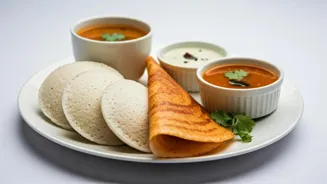
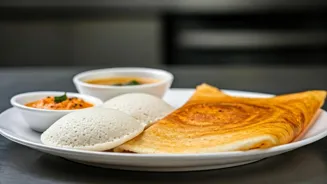
Foods like idli and dosa, both made from rice or rice-based batter, are rich in carbs. The rate at which carbs are digested and absorbed into the bloodstream (glycemic index) varies depending on the ingredients and preparation. It’s crucial to monitor the portion size of each meal to ensure that the carb intake aligns with the diabetic's individual needs. Consulting with a healthcare professional or a registered dietitian is always a good idea to find out the right amount of carbs to have based on specific requirements. It is key to maintaining a healthy blood sugar level. Dietary adjustments, including managing carbs, can have a significant role in preventing diabetes-related complications. Prioritizing foods that provide sustained energy and fiber can support consistent blood glucose levels.
Idli and Dosa Facts
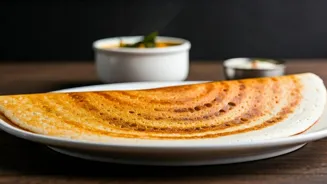
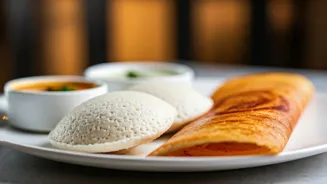
Idli, a steamed savory cake, is typically made from fermented rice and urad dal batter. Dosa, a thin crepe, is also made from fermented batter but is cooked on a griddle. Both dishes are usually served with sambar (a lentil-based vegetable stew) and chutney (various types made from coconut, tomatoes, and other ingredients). The nutritional profile of idli and dosa can vary. For instance, the use of different types of rice or the addition of other ingredients can affect the carb count. A small idli or a thin dosa might have a lower carb impact compared to larger or thicker versions. Therefore, it's essential to be mindful of portion sizes. The fermentation process in making idli and dosa can also increase the availability of certain nutrients. It aids in the breakdown of complex starches, making it easier for the body to digest. However, it's the amount of food eaten that is most important for diabetics.
Portion Control Matters
One of the critical strategies for diabetics is portion control. This can help manage blood sugar levels. With idli and dosa, paying close attention to serving sizes is vital. Instead of having multiple idlis, diabetics can choose to have one or two. When it comes to dosa, diabetics should opt for a thinner version. Serving a smaller portion of the dish helps in controlling the amount of carbs consumed at breakfast. Pairing idli or dosa with fiber-rich foods, like a large serving of sambar loaded with vegetables, can help slow down the absorption of glucose. This can lessen the impact on blood sugar. Another smart option is to have a side of salads or low-carb vegetables. These additions make the breakfast healthier and support a balanced intake of nutrients. Measuring the food or using smaller plates are practical ways to ensure proper portion sizes. These habits can improve blood sugar control and overall health.
Expert Dietary Advice
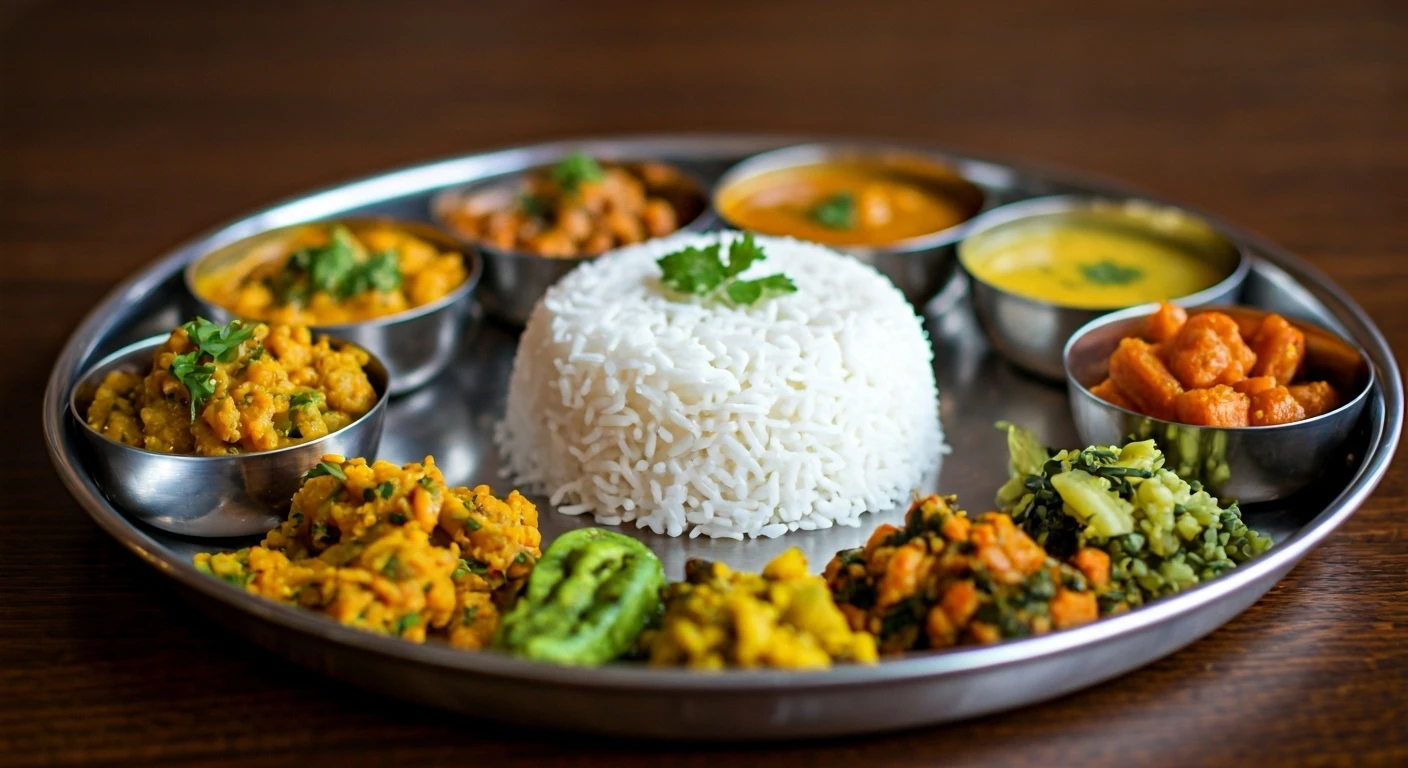
Healthcare professionals frequently emphasize the importance of a balanced diet. This is critical for diabetics. They usually suggest a combination of proteins, carbs, and healthy fats. When including idli or dosa in a diabetic diet, they often advise focusing on the overall meal. This means assessing the total amount of carbs consumed at a meal, not just those in the breakfast. The type of carbs also matters. Choosing whole-grain rice or incorporating other grains can be a better choice because they have a lower glycemic index. They can also help regulate blood sugar levels. Many experts recommend having idli or dosa occasionally rather than every day. This helps diversify the diet and reduce any potential negative effects of a constant intake of similar foods. They also suggest consulting a registered dietitian. The aim is to create a personalized meal plan based on individual health needs and preferences. Remember, dietary choices should align with overall health goals.
Healthier Recipes & Tips
There are numerous ways to modify idli and dosa recipes. This helps make them more diabetes-friendly. One such adaptation is to use a combination of rice and other grains, like oats or millets. These grains have a lower glycemic index and will increase the fiber content. Using urad dal (black lentils) in the batter for both idli and dosa is a good option. Urad dal provides protein and aids in regulating blood sugar levels. Another trick is to ferment the batter longer. It helps break down some of the starches, making the food easier to digest. When cooking, using less oil is always beneficial. Choosing cooking methods like steaming for idli and using a non-stick pan for dosa can help reduce fat intake. Moreover, choosing healthy side dishes like sambar with more vegetables instead of potato-based options is a smart move. These recipes and tips are all about modifying and enjoying traditional Indian breakfast dishes with a diabetic focus.