



Pink Moon's Grand Appearance
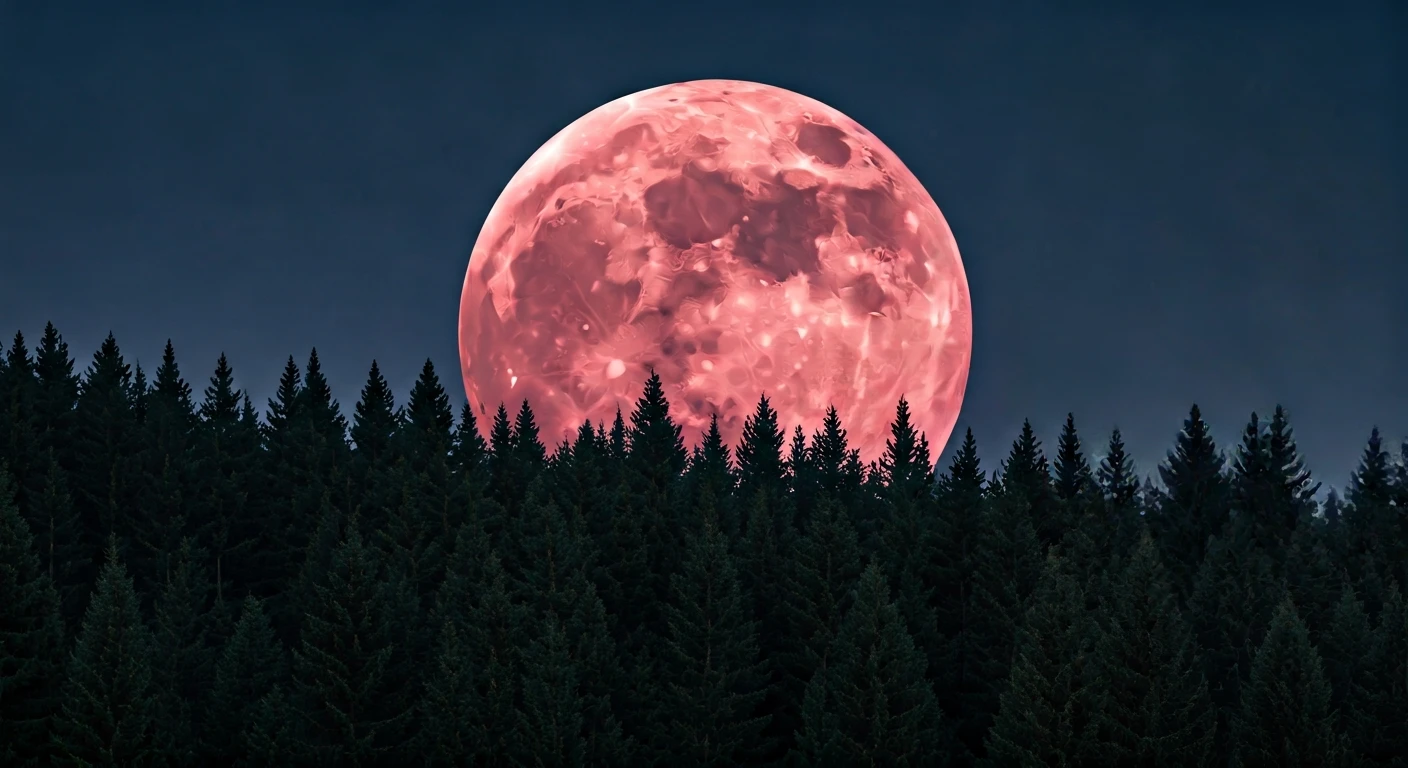
Prepare to witness the celestial spectacle of April 2026's Pink Moon, arriving on the first day of the month. While its name might suggest a rosy hue,
this full moon will actually emanate a warm, golden glow that will brilliantly illuminate the night sky. The peak of this luminous event is scheduled for April 1, 2026, at 10:12 PM Eastern Time in the United States. For those in different time zones within the U.S., this translates to 9:12 PM Central Time and 7:12 PM Pacific Time. Residents in India can look forward to the moon reaching its zenith at 7:42 AM Indian Standard Time on April 2nd. To truly appreciate its splendor, the ideal viewing strategy involves seeking out a location far from the glare of urban lights, ideally in a dark, open expanse. Observing the moon as it ascends from the eastern or southeastern horizon is particularly rewarding, as atmospheric effects can create the illusion of a larger, more impressive disc.
Origin of the Name
The evocative moniker 'Pink Moon' doesn't refer to the moon's actual color, but rather to a botanical phenomenon. This name originates from the blooming of a particular spring flower, known as moss pink or creeping phlox, which carpets the landscape with its delicate pink blossoms in early spring. Indigenous American tribes and early European settlers adopted this floral observation to name the full moon of April, linking the lunar cycle to the season's awakening. Beyond its connection to this vibrant flower, the Pink Moon also signifies the commencement of spring and stands as the inaugural full moon of the season. Furthermore, it holds significance as the Paschal Moon, a crucial celestial marker used in determining the date for Easter celebrations each year.
Artemis II Mission Link
A fascinating intersection of lunar events occurs with the April 2026 Pink Moon, as it coincides with NASA's ambitious Artemis II mission. This program marks a significant milestone, representing the first time humans will journey around the Moon since the Apollo 17 mission concluded in 1972. The Artemis II endeavor is designed as a critical preparatory phase, paving the way for astronauts to venture back to the lunar surface, with plans for a return by 2028. This celestial overlap provides a unique backdrop, connecting contemporary space exploration ambitions with the timeless beauty of a natural lunar phenomenon, reminding us of humanity's ongoing quest to understand and explore our closest celestial neighbor.
Optimal Viewing Experience
Experiencing the beauty of the Pink Moon requires no specialized equipment, making it accessible to everyone. For the most memorable observation, prioritize finding an expansive area free from the pervasive glow of artificial city lights. Position yourself to watch the moon rise in the eastern sky; at this point, it often appears magnified and more brilliant due to the 'moon illusion,' a perceptual phenomenon. If you intend to spend an extended period outdoors, consider bringing along comfortable seating like blankets or chairs. While not essential, a pair of binoculars or a telescope can offer a more detailed and up-close view of the lunar surface. Crucially, check the local weather forecast to ensure clear skies for an unobstructed celestial show. Despite its name, the Pink Moon will present a captivating golden radiance, casting a warm light across the night. Whether you're a seasoned stargazer or simply seeking a moment of serene contemplation outdoors, this upcoming full moon is an event not to be missed. Step outside, embrace the tranquility, and revel in the splendor of the moon gracing the horizon on April 1, 2026.