

What Is Edible Glitter?
Edible glitter is a specialized food-grade decorative component meticulously crafted to impart a shimmering or metallic sheen to culinary creations. Unlike
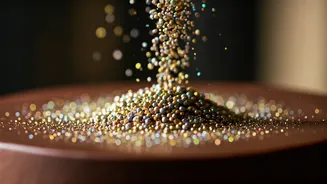
craft glitter, which is entirely unsuitable for consumption, edible glitter is formulated using ingredients that have been approved for human intake. This ensures that bakers can safely apply it to cakes, cookies, pastries, and other treats without any health concerns. Available in various forms, including fine dusts, lustrous powders, and tiny flakes, it offers a vast spectrum of colors, from traditional gold and silver to vibrant hues perfect for themed celebrations. Its primary function is purely aesthetic, enhancing the visual presentation of baked goods by providing a captivating sparkle that draws the eye and adds a touch of elegance or festivity.
Why Bakers Adore It
The widespread appeal of edible glitter among bakers stems from its remarkable ability to effortlessly elevate the appearance of even the simplest desserts. A light dusting can transform a plain cupcake or cookie into a festive and professional-looking treat, requiring minimal effort and no specialized skills. This makes it an attractive option for both novice home bakers and seasoned professionals seeking to impress. It's particularly sought after for special occasions like weddings, birthdays, and holiday parties, where visual impact is paramount. The cost-effectiveness is another significant factor, as a small quantity often suffices to achieve a substantial decorative effect, making it a go-to ingredient for adding a quick, impactful flourish to any dessert.
Creative Application Techniques
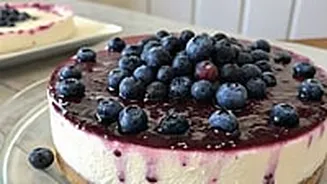
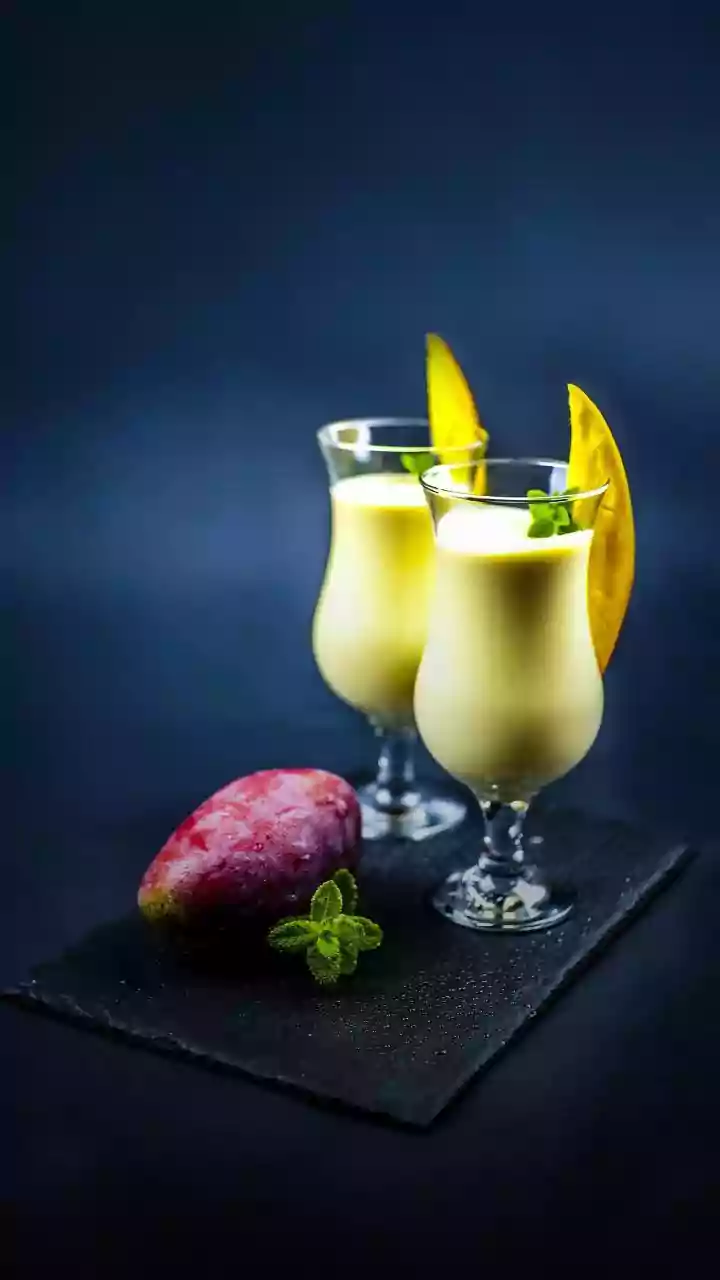
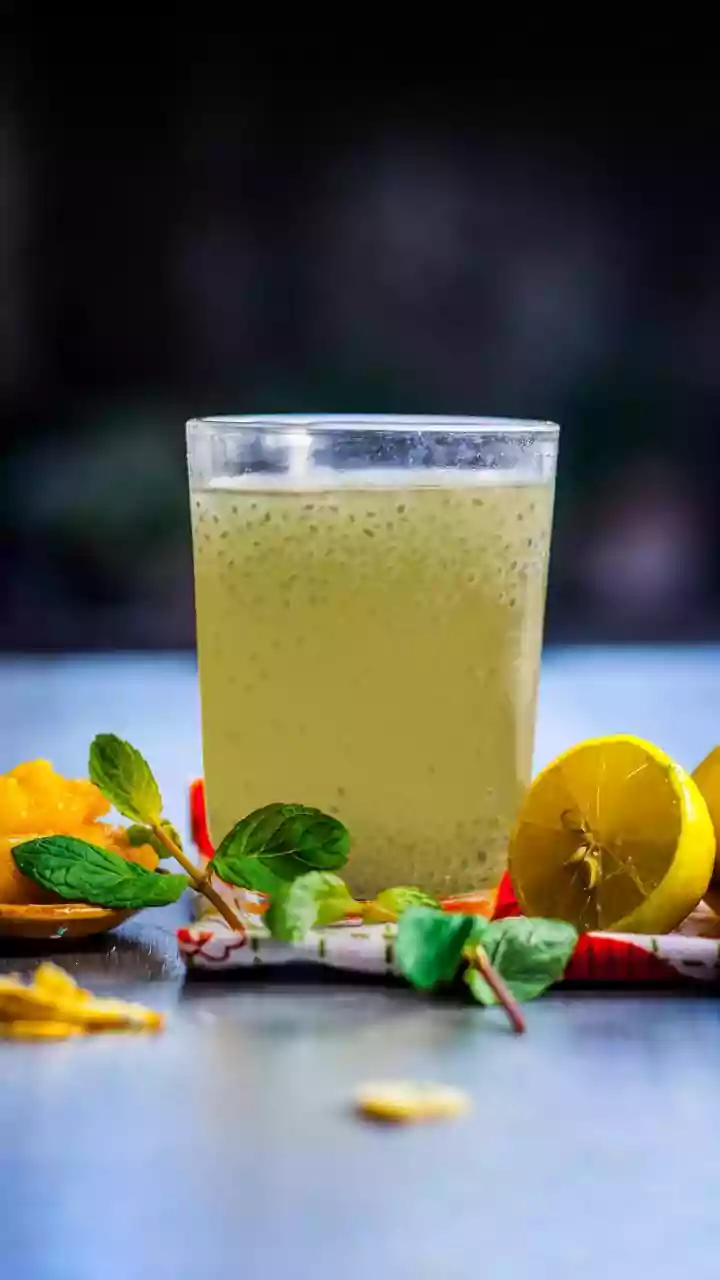
Incorporating edible glitter into your baking is a straightforward process with numerous creative possibilities. The most direct method involves lightly sprinkling it over finished desserts such as cakes, brownies, or cookies for a gentle, all-over shimmer. For a more integrated sparkle, a small amount can be mixed directly into frostings like buttercream or whipped cream, infusing the entire topping with a subtle sheen. For precise detailing, a clean, dry brush can be used to apply glitter to specific areas, highlighting intricate designs or patterns. To achieve a striking metallic finish or to paint decorative elements, edible glitter can be combined with a few drops of liquid, such as water, clear alcohol, or lemon extract, to form a paint-like consistency. Furthermore, it can be added to glazes, syrups, or even beverages to lend a festive, shimmering quality to liquids and sauces.
Avoiding Common Pitfalls
When using edible glitter, it's crucial to distinguish it from non-toxic craft glitters, as 'non-toxic' does not inherently guarantee it is safe for consumption. Always verify that the product is explicitly labeled as 'food-grade' or 'edible' to ensure safety. Overuse can also detract from the dessert's appeal, making it appear gaudy rather than elegant; moderation is key to achieving a balanced and attractive look. Employing the glitter thoughtfully, such as adding a delicate sparkle to a fondant flower or a subtle sheen to cookie edges, will enhance the overall presentation without overwhelming the dessert. Adhering to these simple guidelines ensures that edible glitter serves its purpose as a refined decorative enhancer.