




Countdown to Launch
NASA's Artemis 2 mission is potentially just a month away from launch, marking a crucial step in returning humans to the Moon. The agency recently rolled
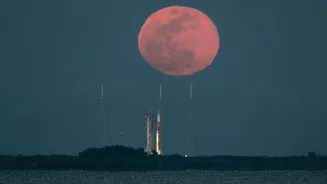
the massive Artemis 2 rocket to the launch pad at Kennedy Space Center in Florida. This action is a visual reminder of the mission's impending launch. Concurrently, astronauts have been conducting launch day rehearsals. These simulations help astronauts familiarize themselves with procedures and ensure all systems are functioning properly. NASA officials have emphasized the importance of a thorough and safe approach to the launch. Despite the tight schedule, the agency aims to ensure all systems are meticulously checked and prepared. The Artemis program seeks to establish a sustainable human presence on the Moon, eventually paving the way for missions to Mars. The rollout and rehearsals are major milestones in Artemis 2's preparations, showcasing the culmination of extensive planning and engineering efforts.
The Rocket's Journey
The Space Launch System (SLS) rocket and the Orion spacecraft, which form the Artemis 2 mission, were transported to the launch pad in a significant event. This movement is a visible sign of progress towards the highly anticipated mission. The rollout of the rocket is a meticulously planned process. Teams of engineers and technicians work to ensure every component functions correctly. The Artemis 2 rocket is one of the most powerful rockets ever created. It will carry the Orion spacecraft, which will transport astronauts beyond low Earth orbit and around the Moon. The journey of the rocket to the launch pad signifies the culmination of years of design, construction, and testing. With the rocket now in position, the final stages of pre-launch checks and preparations will take place. This launch is expected to provide valuable insights for future lunar missions and ultimately, the agency's aspirations of venturing to Mars.
Astronauts' Preparations
Astronauts involved in the Artemis 2 mission have been actively engaged in launch day rehearsals, essential for the overall mission success. These preparations involve simulating various scenarios and practicing critical procedures that they would have to execute in space. The rehearsals cover a wide range of situations, from liftoff to in-flight operations and even potential emergency situations. The astronauts become more familiar with the equipment and the systems of the Orion spacecraft through practice. The intensive training process ensures that the crew is well-prepared to handle any challenges that might arise during the mission. These preparations include communication exercises, emergency drills, and system checks. Astronauts' participation in these exercises helps the team work together and increases their confidence and skill. This training is a critical component of ensuring a safe and successful mission. As launch day approaches, these rehearsals will continue, guaranteeing that the Artemis 2 crew is prepared for the adventure.
Mission Objectives and Goals
The Artemis 2 mission aims to send astronauts on a flight around the Moon, a vital step towards establishing a long-term human presence in space. The mission is an important test flight for the Orion spacecraft. It will assess the performance of the life support systems, navigation, and communications. During the mission, the crew will also conduct scientific experiments and observe the lunar environment. This lunar flyby will pave the way for future crewed landings and scientific exploration on the Moon. The insights gained from Artemis 2 will inform the design of future missions. This includes the establishment of a base camp on the Moon, and exploration of its surface. The overall goals of the Artemis program include demonstrating technologies and establishing a sustainable presence in the Solar System. The primary mission is to provide the critical experience and data needed for future explorations.
Timeline and Challenges
The timeline for the Artemis 2 launch is tight. While the launch is planned for next month, NASA is stressing that it will not be rushed. This careful approach reflects the intricate nature of the mission. The agency faces multiple challenges in preparing for the launch. Each component must function properly, requiring numerous tests and inspections. Any unexpected issues can delay the launch. The mission's success depends on careful planning, rigorous testing, and the dedication of the entire team. This approach also involves considering the various factors that could impact the mission, such as weather conditions and potential technical issues. NASA has shown that safety is the top priority for the success of Artemis 2. The agency is doing all it can to ensure a safe and successful journey around the Moon.