




The Underestimated Benefits
Resistance training, encompassing activities from lifting barbells to bodyweight exercises like push-ups, offers a wealth of health benefits that are often
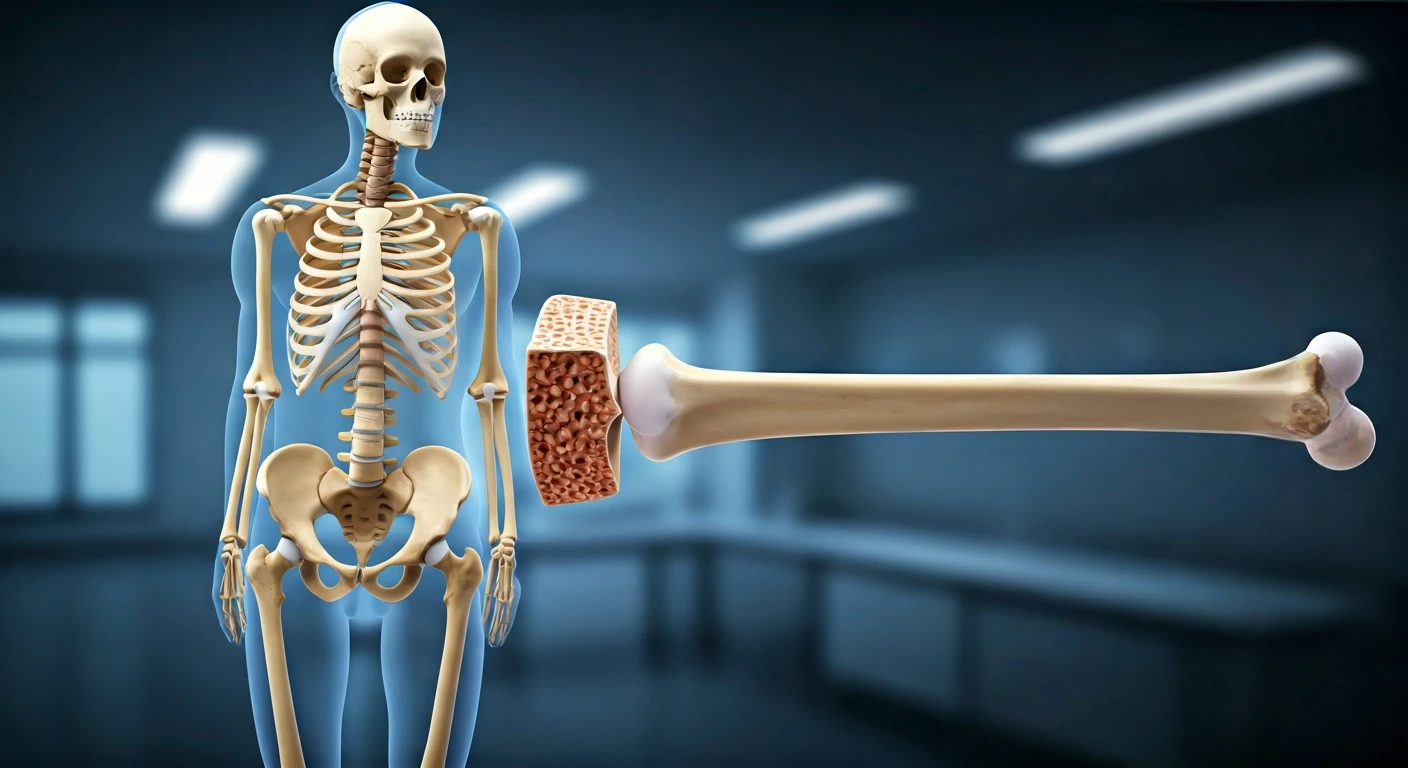
overlooked, particularly by women. Medical professionals are increasingly advocating for its incorporation into regular fitness regimens due to its significant impact on preventing chronic diseases such as heart disease. Furthermore, consistent engagement with weights can lead to substantial improvements in long-term mobility, helping individuals maintain independence as they age. It also plays a crucial role in managing and lowering blood pressure, contributing to cardiovascular health. Research suggests that women may experience even more pronounced advantages, especially in combating osteoporosis, a condition more prevalent in females, and mitigating age-related muscle loss, to which women are also more prone. Essentially, strength training acts as a powerful tool to address a wide array of physical health concerns, making it an indispensable component of a comprehensive wellness strategy.
Navigating Gym Intimidation
Many women express hesitation about entering traditional weight rooms, often citing feelings of being out of place or judged by the prevailing atmosphere. For instance, Elisabeth Bradley, a college student, found herself as the sole woman in her university's weight room, which led to feelings of self-consciousness and a retreat to the cardio section. This sentiment is echoed by many, including Daisy Arauza, a mother of two, who desires to improve strength and manage weight but lacks confidence due to a perceived need to fit a certain physical mold before feeling comfortable in a gym. The societal narrative that emphasizes achieving a 'skinny' physique has also fostered a misconception that weightlifting will inevitably lead to undesirable bulkiness. Experts like Brad Schoenfeld, a professor of exercise science, clarify that building excessive muscle is exceptionally challenging, particularly for women due to lower testosterone levels, and that the process is easily reversible by adjusting training intensity, thereby debunking the myth of unwanted muscle gain.
Creating Welcoming Spaces
To encourage more women to embrace strength training, experts like behavioral scientist Michelle Segar emphasize the necessity of creating more palatable and familiar gym environments. This involves not only making the physical space more inviting but also providing better educational resources to familiarize women with weightlifting equipment and gym etiquette. Initiatives such as introductory training sessions can be beneficial, though they must be more than superficial; a truly supportive approach requires dedicated guidance. The establishment of communities and clubs, like Elisabeth Bradley's 'Girl Gains,' which now spans numerous college campuses, demonstrates the power of peer support and shared goals in fostering confidence and participation. Furthermore, some gyms are implementing practical solutions like on-site childcare, which significantly alleviates a common barrier for mothers, allowing them to prioritize their health without compromising family responsibilities. The overarching goal is to shift the focus from external perceptions to the internal feeling of empowerment and progress derived from becoming stronger.
Challenging Stigmas and Misconceptions
The persistent stigma surrounding women and weightlifting, often stemming from decades of being told that thinness is the ultimate beauty standard, continues to deter many. The fear of appearing 'bulky' is a significant psychological hurdle, despite scientific evidence to the contrary. Experts like Brad Schoenfeld consistently reiterate that women possess lower levels of testosterone, the primary hormone responsible for significant muscle hypertrophy, making it biologically difficult to build large amounts of muscle mass unintentionally. He also highlights the ease with which muscle can be reduced by simply decreasing training intensity. This information is crucial for debunking myths and empowering women to pursue strength training without fear. Moreover, the notion that one's entire identity must revolve around intense gym culture is alienating. Many women seek health and fitness as a means to enhance their lives, not to make it their sole focus, preferring a balanced approach where health is prioritized alongside other life commitments. Creating an atmosphere that celebrates strength and personal progress, rather than adhering to narrow aesthetic ideals, is key to broader female participation.