



Urban Rhythms Disrupted
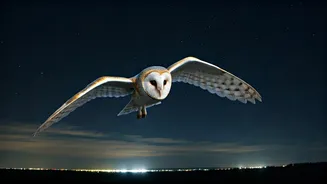
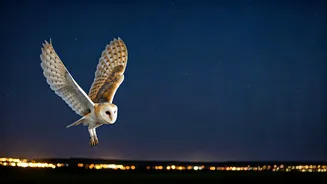
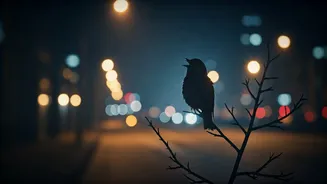
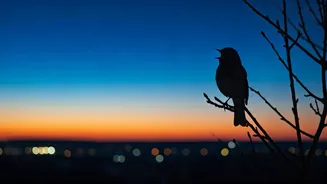
While birds typically rest after sunset, city life often leads to late-night vocalizations. This disruption stems from external disturbances like sudden
noises and the persistent glow of artificial lights, which can interfere with their natural light-dark cycles. Consequently, these environmental shifts can impact their breeding patterns and overall success. It's the more adaptable species, those comfortable with urban living, that are more prone to engaging in these post-midnight chirps, as they've learned to navigate and respond to the altered soundscape and light conditions of human-dominated areas. The constant urban buzz can also make daytime communication challenging, pushing them towards quieter nocturnal hours for essential vocal exchanges. This adaptation highlights the remarkable resilience of avian life in the face of significant environmental changes introduced by human development.
Territory and Mating Calls
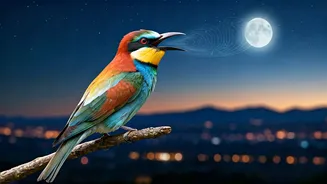
A primary driver for birds singing after dark is the need to defend their territory. The nighttime provides a less crowded acoustic space for them to announce their presence and warn off potential rivals. This is especially pertinent in bustling urban settings where artificial illumination blurs the lines of day and night, prompting birds to shift their singing times. The continuous hum of city activity can also make it harder for their calls to be heard during daylight hours, thus encouraging them to utilize the quieter nighttime for crucial communication. Beyond territorial assertions, mate attraction also plays a vital role. Males of certain species vocally engage during the night to woo females, particularly when the breeding season is in full swing. This nocturnal serenade can be a strategic move to stand out from competing males and to signal their health and readiness to mate. The darkness can also offer a cloak of security, allowing them to express themselves without the heightened risk of predation.
Species-Specific Songs
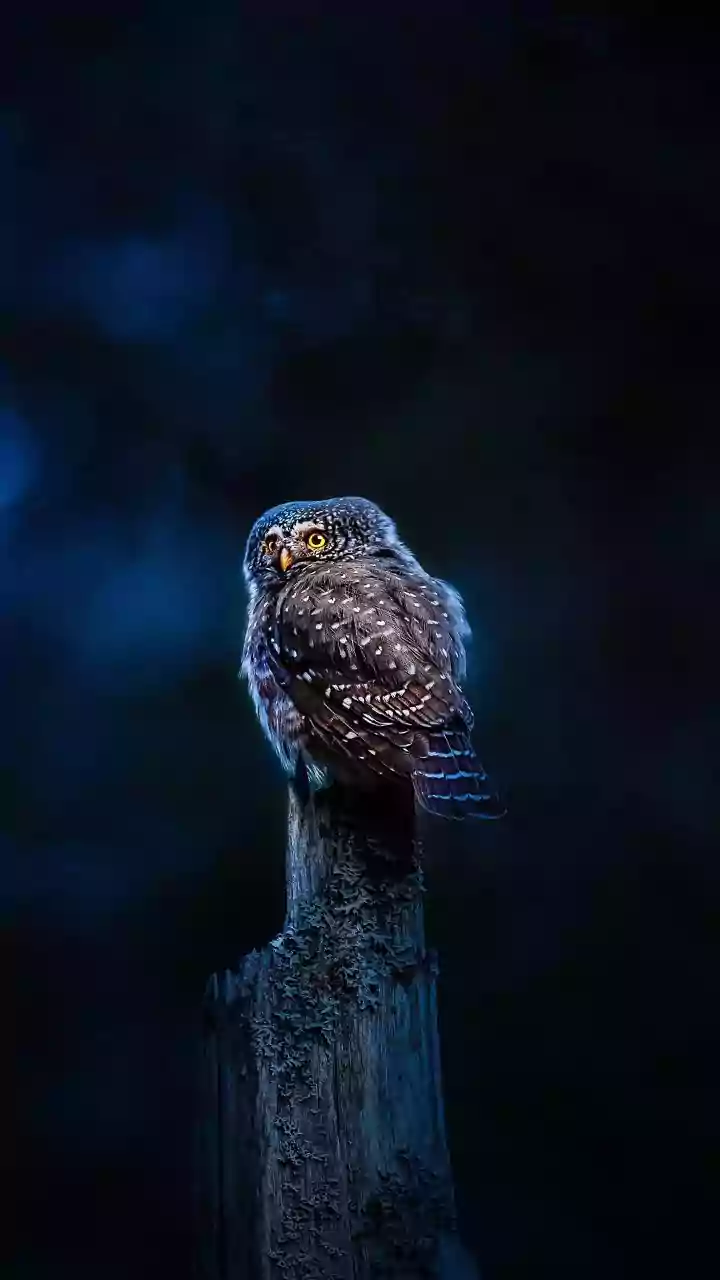
For some avian species, singing in the darkness is not just an occasional occurrence but an ingrained behavioral trait. The common nightingale, for instance, is famously known for its elaborate and melodious songs performed under the veil of night. While the exact evolutionary reasons for this nocturnal activity are still under scientific investigation, current theories suggest it is intrinsically linked to both their need to establish and defend territories and their methods for attracting mates. The complex vocalizations produced by these birds in the quiet of the night are a testament to their specialized adaptations. These species have evolved to leverage the unique conditions of nighttime for crucial biological functions, demonstrating the diverse strategies birds employ for survival and reproduction, often in ways that challenge our conventional understanding of their daily routines and communication patterns.
Environmental Triggers
Beyond inherent biological drives, external environmental cues can also prompt certain birds to vocalize during the night. Subtle shifts in atmospheric conditions, such as changes in temperature or humidity, or even the presence of artificial light, can act as triggers for nocturnal singing. For example, a sudden cooling of the air might stimulate a bird to call out, potentially as a means to conserve energy by signaling its location to others or to maintain contact within a flock during cooler periods. These environmental signals demonstrate how birds are intricately connected to their surroundings and how they adjust their behavior in response to even minor alterations in their habitat, further enriching our understanding of the complex interplay between avian life and the natural world, including its human-influenced modifications.