


A World Afloat
Imagine a national park that doesn't stay put, a place where the very ground beneath your feet gently shifts with the rhythm of the water. This is precisely
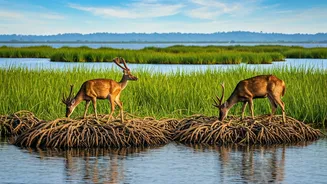
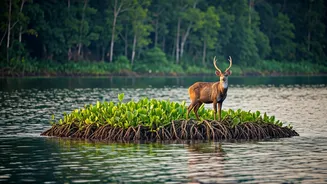
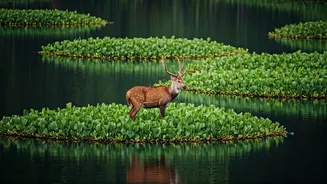
the enchantment of Keibul Lamjao National Park, nestled within Northeast India's vast Loktak Lake. Spanning an impressive 40 square kilometers, this isn't just any park; it's the world's only national park that floats. Its existence is intrinsically tied to 'phumdis,' peculiar, dense mats of vegetation that coalesce and drift on the lake's surface, creating a dynamic and ever-changing landscape. The experience of being here is one of profound connection to nature, with the subtle sway of the land, the crisp air carrying the scent of the lake, and a stillness broken only by the calls of resident birds.
Encounter the Sangai
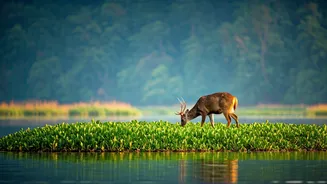
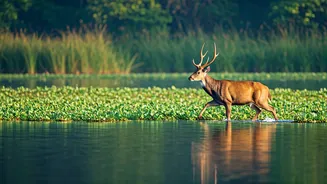
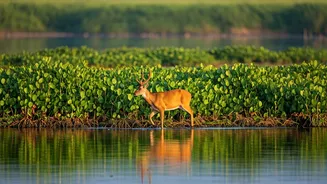
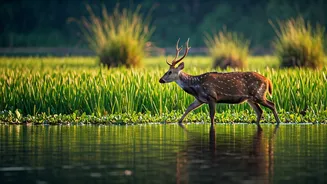
The undisputed jewel of Keibul Lamjao is the Sangai, an exquisite species of deer colloquially known as the 'dancing deer.' These magnificent creatures navigate the floating phumdis with an ethereal grace, their delicate steps appearing to glide across the vegetation. The Sangai is not merely a beautiful sight; it is a symbol of Manipur and critically endangered, found exclusively in this unique habitat.మీరు ఒక అరుదైన మరియు లోతైన అనుభవాన్ని పొందవచ్చు. Their elusive nature and graceful movements on the perpetually moving ground contribute to their almost mythical status among visitors, creating moments of breathtaking stillness as they are observed.
Life on Loktak
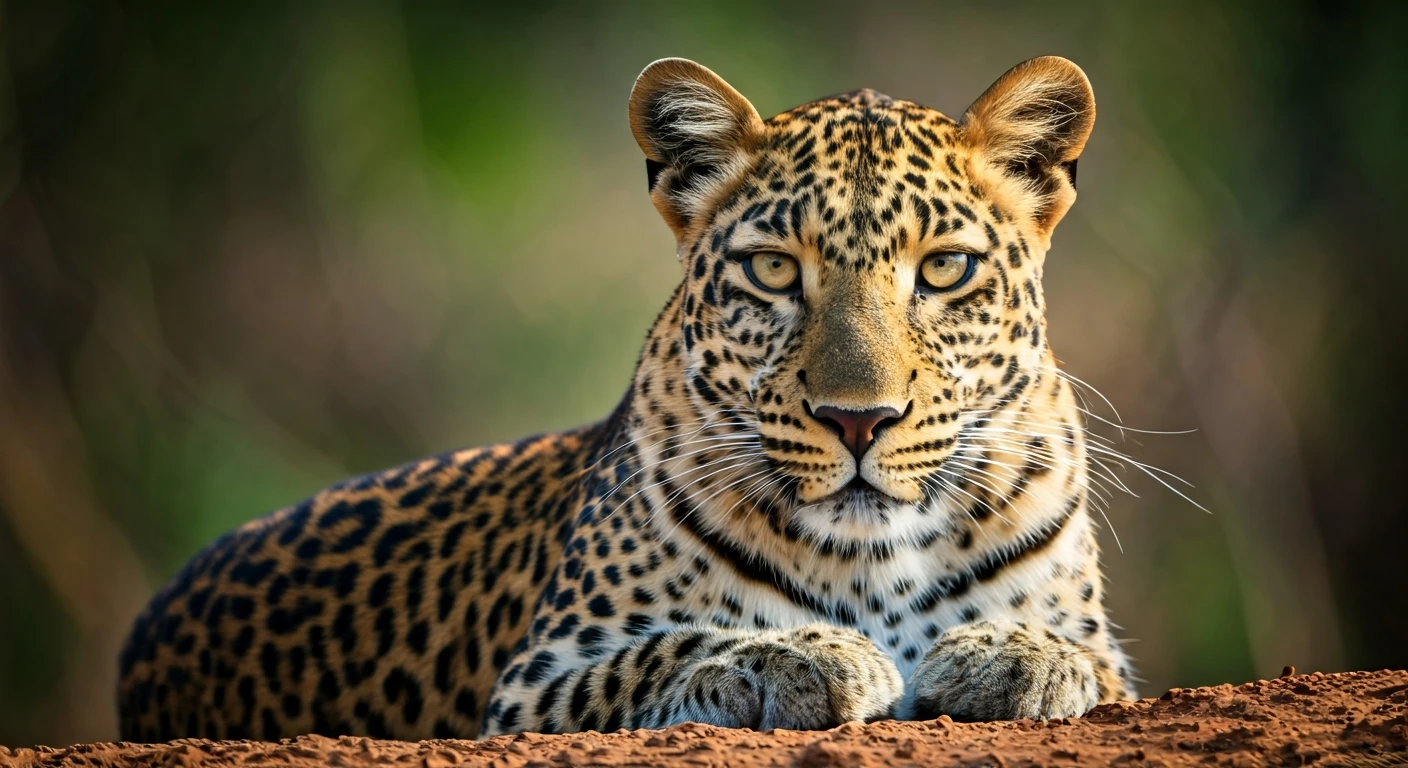
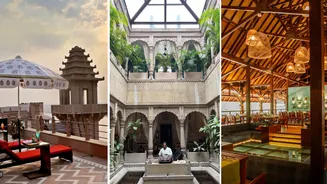
Beyond the celebrated Sangai, Keibul Lamjao teems with other forms of life, making every visit a discovery. The park is a sanctuary for over 100 species of birds, their calls and flights adding a vibrant soundtrack to the serene landscape. The surrounding waters of Loktak Lake, the largest freshwater lake in Northeast India, also support a rich biodiversity. The daily life of the local communities is intricately woven with the lake, influencing their cuisine and way of life. While accommodations are not available within the park itself, staying in nearby areas allows visitors to savor the region's fresh, locally sourced food, which reflects the bounty of both the land and the lake.
Planning Your Visit
To fully appreciate the magic of Keibul Lamjao, timing your visit is key. Early mornings are particularly rewarding, as the morning mist gradually dissipates, revealing the park's inhabitants becoming more active. Hiring local guides is highly recommended; they possess invaluable knowledge of the phumdis, understanding which areas are stable and which might require extra caution, ensuring a safe and enriching exploration. The optimal time to visit is between November and March, characterized by clear skies and calm waters, which are ideal for wildlife viewing. It's advisable to steer clear of the monsoon season, typically from June to September, as the unpredictable water levels can impact accessibility and wildlife patterns.