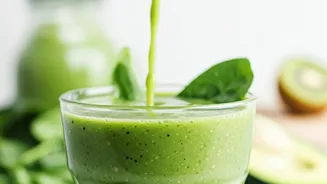








Day 1: Hydrate & Greens
Kickstart your weight loss journey by prioritizing hydration and incorporating plenty of green vegetables into your diet. Start your day with a large glass
of water to hydrate your body, setting the stage for better digestion and metabolic function. Throughout the day, continue to sip water regularly, aiming for at least eight glasses. Along with hydration, focus on filling your plate with various leafy greens. These are packed with vitamins, minerals, and fiber, all of which contribute to your overall well-being and weight loss efforts. Consider options like spinach, kale, lettuce, and broccoli. Ensure your meals are balanced, with a good mix of proteins, complex carbohydrates, and healthy fats.
Day 2: Protein Power Up
Day two focuses on protein-rich meals to aid in your weight loss plan. Protein plays a vital role in keeping you full and satisfied, and it also aids in muscle repair and growth, which boosts your metabolism. Include a protein source at every meal. Opt for lean meats like chicken or fish, eggs, lentils, or tofu for vegetarians. Pair your protein-rich meals with non-starchy vegetables and a small portion of healthy fats to maintain balance. Preparing your meals in advance can help you adhere to this plan. Plan your meals for the day, and pack nutritious snacks to avoid impulsive unhealthy choices. Ensure each meal is well-proportioned, including a balance of protein, complex carbohydrates, and healthy fats. This will help you feel fuller for longer.
Day 3: Fiber For Gut
Fiber becomes your main focus on day three to promote gut health and support weight loss. Fiber assists the digestive process and helps in keeping you feeling full for a longer duration, reducing the temptation to overeat. Integrate fiber-rich foods like oats, apples, beans, and berries in your meals and snacks. Aim to consume at least 25–30 grams of fiber daily. The variety of fiber, soluble and insoluble, helps with a healthy gut flora and healthy bowel movements. Fiber can also help in stabilizing blood sugar levels, helping in managing your cravings and energy. Start your day with a bowl of oatmeal or a smoothie with high-fiber fruits. You can also add some vegetables, seeds, and nuts to boost fiber intake. These additions can keep your digestion smooth and improve your metabolism.
Day 4: Antioxidant Boost
On day four, pay attention to incorporating antioxidants into your diet to combat inflammation and improve weight loss. Antioxidants are substances that protect your cells from damage caused by free radicals, leading to overall health benefits. Load up your plate with colorful fruits and vegetables, such as berries, bell peppers, and spinach, that are rich in antioxidants. These foods not only provide essential nutrients but also help in detoxifying your body and boost your metabolism. Include antioxidant-rich beverages such as green tea or herbal teas in your daily routine. Prepare your meals with an emphasis on incorporating variety. Eating a diverse range of fruits and vegetables will ensure you are consuming various antioxidants for the best health results.
Day 5: Digestive Rest
Take the opportunity on day five to let your digestive system rest. This will help your body recover, repair, and enhance its metabolic function. To give your digestive system a break, opt for lighter meals such as soups, salads, and smoothies. Avoid heavy and processed foods. Prioritize easy-to-digest foods that are gentle on your stomach. Increase your water intake as it aids in digestion and helps flush out toxins. This day is important to practice mindful eating, paying attention to your body’s hunger cues and eating slowly, and chewing your food well to enhance digestion. Reduce stress, practice deep breathing, and get adequate sleep. Taking a break from solid foods can help your body rejuvenate and focus on weight loss.