






Hidden Data on Tags
While the thrill of embarking on new adventures through travel is exhilarating, the small baggage tags attached to our luggage warrant closer attention
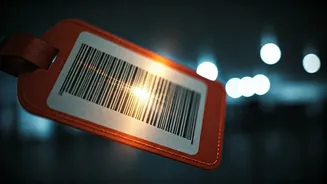
than often given. Contrary to popular belief, these tags do not typically store credit card details, alleviating fears of direct financial exposure. However, they are far from empty. Each tag encodes a wealth of information, primarily centered around your Passenger Name Record (PNR) and a unique 10-digit License Plate Number (LPN). This PNR is a crucial six-character booking reference, acting as a key to your travel itinerary. The LPN, on the other hand, serves as an identifier that links to the airline's backend systems, facilitating the tracking and management of your baggage throughout its journey. The barcode itself is not a repository of extensive personal data; rather, it's a conduit to digital databases. In essence, these tags are digital breadcrumbs leading to your booking details, including your name, flight number, and destination airport code, rather than a physical vault of your sensitive financial information. A simple scan with a smartphone, for instance, is unlikely to reveal comprehensive financial data, but it could potentially display your last name and PNR, providing a gateway to more details if someone were to misuse this information.
Protecting Your Privacy
While the direct risk of credit card theft from discarded baggage tags is minimal, the potential for misuse of other personal details necessitates a proactive approach to disposal. Aviation experts emphasize that the information encoded, particularly the PNR and your surname, could be exploited by individuals with malicious intent. Accessing these details might allow someone to view basic booking information, and in some scenarios, potentially cause inconvenience or privacy breaches. Beyond the privacy concerns, improperly disposed of tags can inadvertently create operational problems for airlines. Automated scanners, designed to read these barcodes for baggage routing, can become confused if an old tag from a previous journey is still attached. This confusion can lead to system overloads or, more critically, the misdirection of luggage, causing delays and distress for travelers. Therefore, responsible disposal is not just about safeguarding personal data; it's also about contributing to the smooth functioning of air travel operations and reducing unnecessary clutter and waste.
Simple Disposal Method
The most effective and widely recommended method for ensuring your sensitive travel information remains private and operational systems function smoothly is a simple yet crucial step: destroying the barcode. Upon reaching your destination, whether it's your hotel or your home, the immediate action should be to remove the baggage tag. Once removed, the critical part is to tear through the barcode itself, specifically targeting the linear patterns that scanners rely on. This vertical tear effectively renders the barcode unreadable to optical scanners, preventing any unauthorized access to the information it contains. For those who prefer an alternative or additional layer of security, other methods are equally effective. Shredding the entire tag will, of course, make the information inaccessible. Alternatively, if shredding isn't feasible, using a permanent marker to thoroughly black out the PNR and any visible names or flight details achieves the same protective outcome. These straightforward practices ensure that your booking references and personal data do not fall into the wrong hands, contributing to a more secure and efficient travel experience for everyone involved.