
Food Security Achieved
India has largely accomplished food security, ensuring that staples like wheat, rice, and pulses are widely accessible. However, this achievement masks
a significant underlying issue. These very staples, the foundation of many Indian diets, are often lacking in crucial nutrients. This discrepancy between food availability and nutritional value highlights a crucial problem: simply having access to food isn't enough. People are not just eating enough, they are not necessarily eating *well*.
Staples Nutrient Deficiencies
The prevalent reliance on wheat, rice, and pulses, which form the dietary backbone of many Indians, conceals a nutritional problem. These foods, while filling, often lack the essential vitamins and minerals needed for a balanced diet. This deficiency is a concern because it contributes to a significant number of health problems. The lack of varied nutrient intake can result in many health-related issues, ranging from weakened immune systems and impaired physical development to chronic diseases. To attain true nutritional security, it's essential to look beyond the availability of calories and examine the nutrient content of the foods people are consuming.
Soil Health Degradation
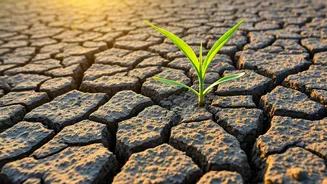
The state of India's soil health is alarming, and it directly affects the nutritional value of the crops grown. Poor soil health results in reduced yields and diminishes the concentration of essential nutrients in the plants. Soil degradation, caused by factors such as overuse of land, intensive farming practices, and the misuse of fertilizers, is a major problem. It weakens the soil's structure, depletes its nutrients, and reduces its ability to support healthy plant growth. A healthier soil will also promote better crop yield which directly contributes to the nutrient value of food.
Think Tank Recommendations
Recognizing the challenges, think tanks have suggested solutions to the problem. They focus on multiple strategies. Firstly, there is an emphasis on diversifying diets, promoting consumption of a wider variety of foods to ensure a more comprehensive nutrient intake. Secondly, think tanks are promoting sustainable farming practices. These approaches are aimed at improving soil health and growing crops with higher nutritional value. Finally, many recommendations include the introduction of educational programs and awareness campaigns, which inform people about the importance of balanced diets and good nutritional practices. The aim is a long-term shift toward a healthier and more nourished India.
Malnutrition Persistence
The persistence of malnutrition in India, despite the availability of food, emphasizes the complexity of the issue. Factors beyond simple food supply play a vital role. These include economic inequalities, limited access to healthcare and education, and a lack of awareness regarding balanced diets. The interaction of these factors leads to a situation where people may be consuming sufficient calories, but still suffer from deficiencies. Addressing this issue requires holistic approaches. These could include poverty alleviation, improved healthcare services, and sustained efforts to educate and empower communities to adopt healthy eating habits, thus ensuring nutrition security.